Home cooks making pies, curries and traybakes
Plain fillets leave you free to choose the sauce, seasoning and accompaniments. Check the species and whether the fish needs thawing before it goes into your recipe.


Choose a plain frozen fillet when you want to add your own sauce or seasoning to a pie, curry or bake; choose salmon if the meal calls for oily fish. A coated fillet suits a crisp oven supper, but check the ingredients and fish content rather than treating it as interchangeable with plain fish. Whichever format you choose, follow that pack’s cooking and defrosting directions.
Plain fillets leave you free to choose the sauce, seasoning and accompaniments. Check the species and whether the fish needs thawing before it goes into your recipe.
Portioned fish with cook-from-frozen directions may fit a shorter preparation window. For coated products, read the ingredient and allergen statements as well as the cooking instructions.
Choose a clearly identified oily fish rather than assuming all fillets have the same nutritional profile. The NHS identifies salmon as oily fish and cod, haddock and pollock as white fish.
Start with the meal you plan to make, then check the fish format and the directions on the individual pack.
| Priority | What to check | Your needs |
|---|---|---|
| Fish species | Read the named species. The NHS identifies salmon as oily fish and cod, haddock and pollock as white fish; check the pack if the species matters to your meal. | For an oily-fish meal, I would choose clearly labelled salmon. For a fish pie or curry built around my own sauce, I would look for an uncoated fillet that suits the recipe. |
| Fillet format | Check whether the product is plain, coated or formed from pieces. Read the ingredient declaration and named-fish percentage where shown; Birds Eye describes its cited breaded cod product as 54% cod, formed from pieces of fillet. | I want plain fish when the recipe calls for a fillet without a coating. For a crisp oven supper, a coated product may suit the meal, provided its ingredients and allergens suit everyone eating it. |
| Cooking method | Check the exact pack for cook-from-frozen directions, appliance settings and any thawing requirement. Food Standards Agency guidance says to defrost food fully before cooking unless the manufacturer instructs you to cook it from frozen. | If supper needs little preparation, I would look for directions that fit my appliance. I would not assume another frozen fillet uses the same method. |
| Portions and storage | Check the pack weight, number of pieces and freezer instructions. Keep any remaining portions as the product directs, and follow its instructions about refreezing after defrosting. | For a smaller household meal, I would check how many pieces I need to cook now and how the rest must be stored. |
A coating or formed-fish format changes what goes into the recipe. Birds Eye states that its cited breaded cod product contains 54% cod and is formed from pieces of cod fillet.
For a pie or curry that calls for plain fish, read the product description and ingredients rather than relying on ‘fillet’ alone.
Some products give cook-from-frozen directions, while others require defrosting. Food Standards Agency guidance says food should be fully defrosted before cooking unless the manufacturer instructs otherwise.
Use the storage, defrosting and cooking directions for the exact product you buy.
The NHS identifies salmon as oily fish and cod, haddock and pollock as white fish. A coated cod supper therefore does not take the place of a salmon meal when oily fish is the aim.
Choose by the named species when that distinction matters to your meal, and check applicable NHS advice for children or during pregnancy or breastfeeding.
Its UK frozen-fish range includes fillets, coated fish, fish fingers and prepared fish products.
Young’s lists natural fish fillets alongside coated fish, fish in sauce and prepared meals.
Tesco Groceries lists own-label frozen fillets including cod loins, salmon, hake and basa.
These options include plain fish for recipes, salmon for an oily-fish meal and coated cod for an oven supper. Check each pack’s directions against the dish you plan to make.
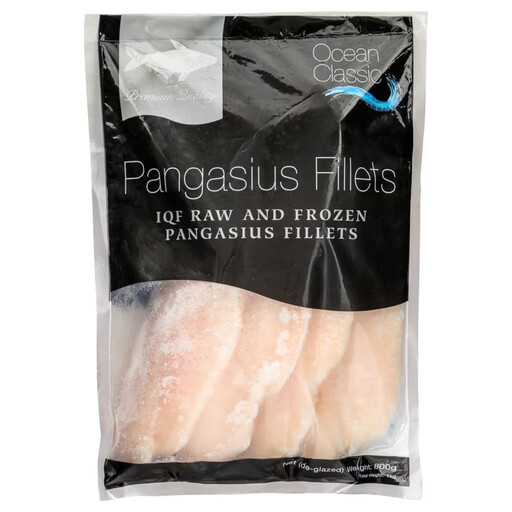 No image available
A plain fillet option for a meal with your own sauce or seasoning. Check the pack’s thawing and cooking directions before preparing it.
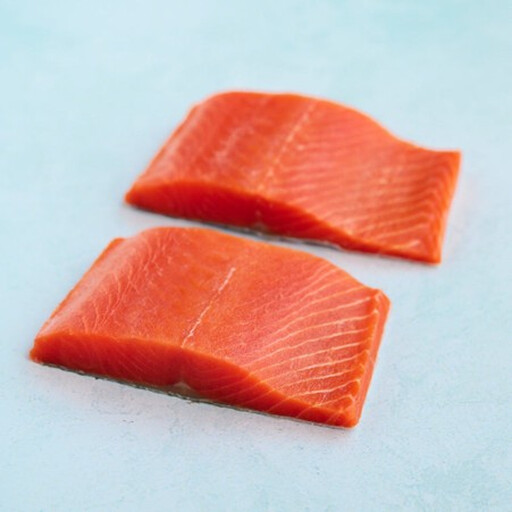 No image available
Choose salmon when the meal calls for oily fish, as identified in NHS guidance. These are fillet steaks; check the pack’s preparation directions and allergen statement.
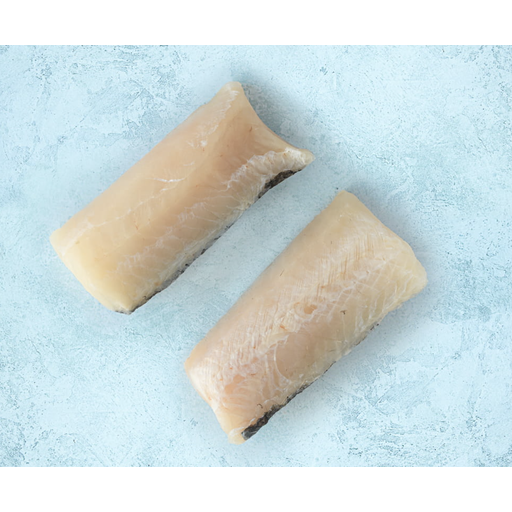 No image available
A hake option for a fish meal with your own seasoning or accompaniments. Check the pack for preparation directions and the current allergen statement.
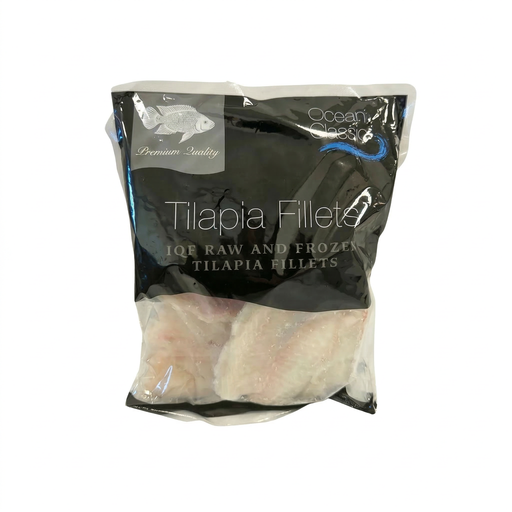 No image available
An uncoated fillet option for a home-cooked dish. The product information warns that bones may be present, so check the pack and take care when serving; follow its thawing and cooking directions.
 No image available
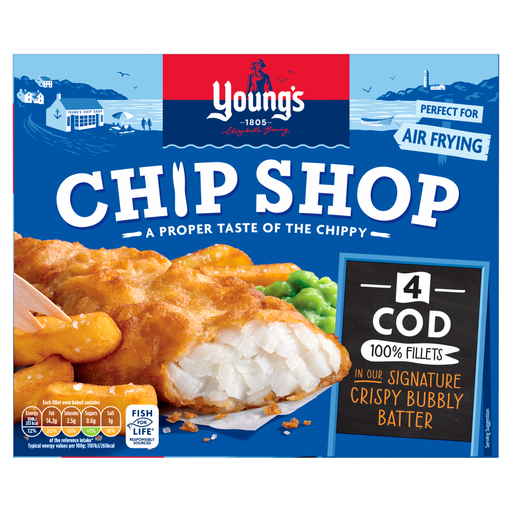
A coated cod option for an oven supper rather than a plain-fillet recipe. Check the pack’s cooking directions, ingredients and allergen statement before serving.
Choose an uncoated white-fish fillet when you want to build a pie, curry or bake around your own sauce and seasoning; choose salmon when the meal is intended to include oily fish. The NHS identifies salmon as oily fish and cod, haddock and pollock as white fish.
No. Follow the directions for the exact product: Young’s says its natural fillets can be cooked from frozen, but that does not establish a rule for other packs. Food Standards Agency guidance says food should be fully defrosted before cooking unless the manufacturer instructs you to cook it from frozen.
Read the current pack’s ingredient and allergen statement, especially for coated fish. Birds Eye’s cited breaded cod product declares fish and says it may contain milk; do not assume a different fish product has the same ingredients.
Follow the instructions on the particular pack. Birds Eye’s cited breaded cod product says not to refreeze after defrosting, so its remaining portions need to be handled in line with that direction.
Not as a like-for-like ingredient: the coating and any formed-fish format affect what goes into the dish. For example, Birds Eye states that its cited breaded cod product is 54% cod and formed from pieces of fillet. Choose a product described as plain or natural when you want to control the sauce and seasoning yourself.