
24/7 Customer Support

Free returns

Same-day & Next-day Delivery

Quality Guaranteed

Unlock Your Welcome Offers: FREE Delivery | Up to 80% OFF | Free 30-day JoyPlus trial
Download the APP
Frozen fish fillets can make family dinners, quick lunches and Asian-inspired recipes much easier. However, pack sizes, added water, coatings and vague sustainability wording can make online comparison difficult. A low shelf price may not represent good value if the stated weight includes ice, while a “premium” description may say little about species, preparation or cooking requirements.
This guide from the Joybuy Product Recommendation Officer explains what to check before ordering frozen fish fillets online, followed by suitable options for different UK households.
Some frozen seafood products show a gross pack size that includes protective ice glazing. For example, a pack labelled 1kg may contain 800g of fish. Always check the net fish weight, number of portions and whether the product is individually quick frozen (IQF).
IQF products are frozen as separate pieces, making it easier to cook only what you need. This can reduce food waste compared with a solid block of frozen fish.
“Fillet” does not always guarantee that every bone has been removed. Coated products may also contain a lower proportion of fish than plain fillets. Read the ingredient list to identify the percentage of fish and check the packaging for warnings that bones may remain.
If convenience is your priority, look specifically for skinless and boneless fish fillets. For pan-frying or grilling, skin-on portions may provide useful texture but require slightly more preparation.
Cod, salmon, tilapia, hake, sea bass and basa fillets differ in flavour, texture, fat content and ideal cooking method. A mild basa fillet may suit a curry, while firm salmon or tuna is more appropriate for grilling or a more substantial main course.
Also check whether the fish is plain, battered, seasoned or coated. A battered cod product is convenient for a chip-shop-style meal, but it will have a different calorie, fat and salt profile from an uncoated cod fillet.
Choose the species according to the dish:
Check how many portions are in the pack and whether each piece is individually frozen. A 220g pack containing two salmon steaks serves differently from an 800g family pack of tilapia.
For plain fish, the ingredient list may contain only the species and “fish”. Seasoned products can include starch, salt, flavour enhancers, soy or other ingredients. Coated fish commonly contains wheat and mustard, so review the allergen information carefully.
Use the nutrition panel to compare products on a consistent basis, normally per 100g. Plain frozen fish often has no added carbohydrate, while battered or seasoned versions may contain more fat, carbohydrate or salt. Nutritional values should be treated as product-specific rather than assumed from the fish species alone.
Most products require storage at -18°C or below. Do not refreeze fish after it has thawed unless the packaging specifically permits it. Follow the label for thawing, cooking time and safe handling.
For raw-use products, such as tuna sold for sashimi or sushi, follow the supplier’s instructions precisely. Keep the fish chilled after defrosting and observe the stated use-by or consumption window. Raw consumption carries additional food-safety considerations, so never treat an ordinary frozen fillet as suitable for eating raw simply because it looks fresh.
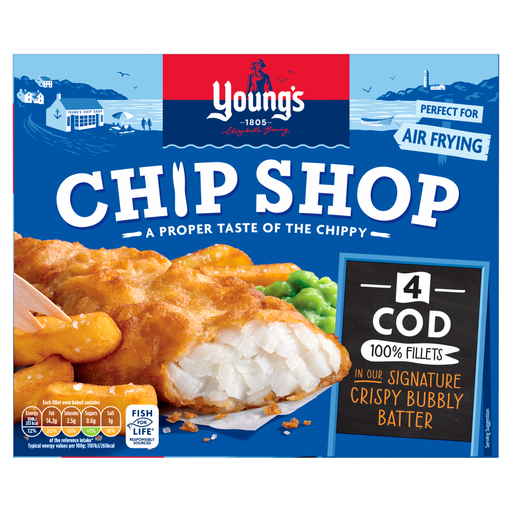
Why This Suits Their Persona: Four portions offer a straightforward family meal for shoppers who want familiar chip-shop-style cod without preparing a coating from scratch.
The listing identifies cod fillet content at 54% and provides oven and storage instructions, helping buyers assess what they are actually purchasing.
Four 100g fillets; oven-bakes from frozen in approximately 20–22 minutes; contains no artificial colours or flavours according to the listing.
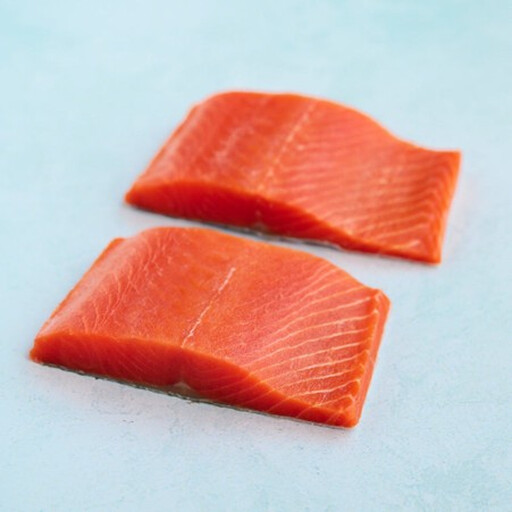
Why This Suits Their Persona: Two skin-on steaks suit a smaller household or a special dinner where salmon’s firm texture and distinctive flavour are central to the dish.
The pack states the net weight, portion count and that it is flash-frozen, rather than relying only on broad premium language.
Two 110g skin-on steaks; suitable for grilling, baking or pan-searing; ingredients list salmon only.
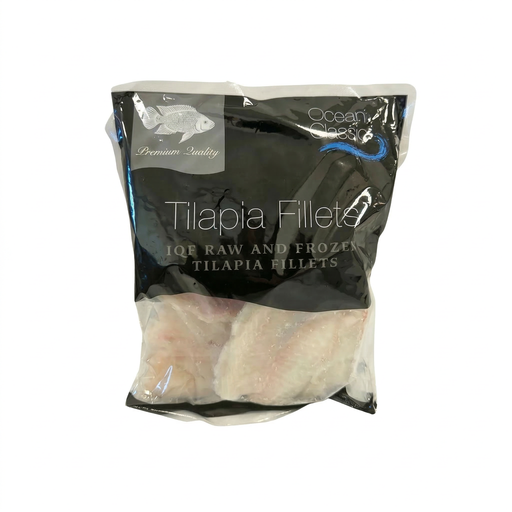
Why This Suits Their Persona: The family-size pack suits regular cooks preparing stir-fries, steamed fish, grilled portions or weekday meals for several people.
The listing separates the 800g net fish weight from the 1kg pack reference and identifies the product as IQF.
800g net quantity; 21g protein per 100g stated on the listing; suitable for grilling, pan-frying, baking or steaming.
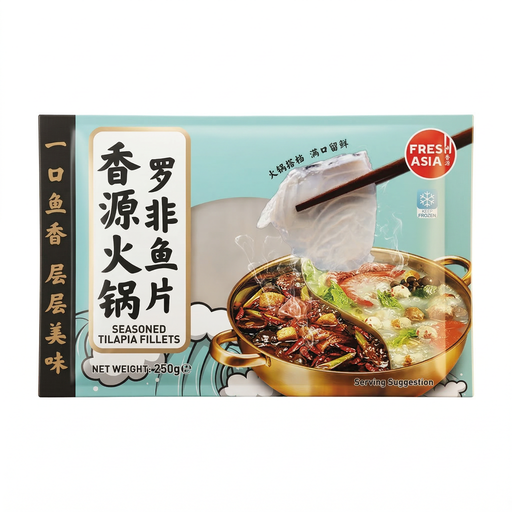
Why This Suits Their Persona: Pre-cut and seasoned portions are convenient for hot pot, soups, quick pan-frying and other recipes where preparation time matters.
The ingredient list shows tilapia at 88.3% and clearly identifies added seasonings, salt and soybeans, helping shoppers avoid assuming it is plain fish.
250g pre-cut portions; suitable for hot pot, soups and pan-frying; frozen storage instructions are provided.
We have compiled a complete, real-time list of products that fully satisfy these strict selection criteria and UK safety regulations.
Plan freezer space before ordering, particularly when buying 800g or 1kg packs. Place fish in the freezer promptly after delivery and keep it sealed to reduce freezer burn. For thawing, use the refrigerator where instructed, place the fish in a dish to contain liquid and cook it thoroughly.
If sustainability matters, look for specific information about the species, fishing or farming method and source country. Terms such as “responsibly sourced” should be read alongside the product’s available certification or sourcing details rather than treated as a complete explanation.
They can be practical for everyday cooking because they are portioned, store for longer and are available without a same-day shopping trip. Quality depends on the species, freezing process, packaging and thawing method. Always follow the product label.
Follow the best-before guidance on the packaging and maintain a stable freezer temperature of -18°C or below. Use older packs first, keep them sealed and discard fish if the packaging is damaged or the product has thawed and been refrozen.
Only use a product specifically labelled or described as suitable for raw consumption, such as a sashimi-grade listing. Follow its defrosting and chilled-storage instructions and do not use ordinary cod, basa or tilapia fillets raw unless the supplier explicitly provides appropriate guidance.