Retired households planning simple fish meals
Frozen fillets can be kept for a later meal. A plain format lets you choose the seasoning and sides, provided the pack’s preparation directions suit your kitchen.


Choose plain frozen fillets when you want to decide how to season and serve the fish; choose salmon when you are planning an oily-fish meal in line with NHS advice to include oily fish among your weekly fish portions. Coated fish offers a different, prepared format, while chilled fillets suit a meal you plan to cook within their refrigerated shelf life. Whichever you choose, check the exact pack’s ingredients, bone warning, cooking method and storage directions.
Frozen fillets can be kept for a later meal. A plain format lets you choose the seasoning and sides, provided the pack’s preparation directions suit your kitchen.
Check the intended eater’s allergies and any individual dietary advice, as well as the pack’s bone warning and cooking instructions. Do not assume that a fillet described as boneless needs no care when serving.
Species matters if you want to distinguish a white-fish meal from an oily-fish meal. The NHS advises including one portion of oily fish among at least two weekly fish portions.
Start with the meal you intend to make, then check whether the exact product’s ingredients, preparation and storage directions fit that plan.
| Priority | What to check | Your needs |
|---|---|---|
| Plain or prepared | Read the ingredient list for coatings, sauces, seasoning and other additions. Compare plain fillets with coated or marinated products rather than judging by species alone. | I want to choose my own seasoning and sides, so a plain fillet may suit my meal better than fish with a set coating or sauce. |
| Fish species | Identify the species, not just the word “fillet”. The NHS advises at least two fish portions a week, including one of oily fish; salmon is an oily-fish option, while cod is white fish. | For an oily-fish meal, I would choose salmon rather than assume a cod fillet serves the same purpose. |
| Preparation | Check whether the pack calls for cooking from frozen or thawing first. Confirm the stated appliance, method and cooking time before relying on it for a straightforward meal. | I need directions I can follow with the equipment available, without assuming that every frozen fillet cooks the same way. |
| Allergens and bones | Check the exact pack’s allergen information and bone warning, particularly for coated or flavoured fish. Birds Eye warns on one battered-cod product that some bones may remain despite care taken to remove them. | If I am serving someone else, I need to know what is in this product and take account of any bone warning. |
| Storage and portions | Check the pack size, individual pieces and frozen-storage directions. If considering chilled fish instead, plan around its refrigerated use-by date and storage instructions. | I may want portions for separate meals, or I may be buying fish to cook soon rather than keep frozen. |
Cod and salmon serve different meal-planning purposes: the NHS advises including an oily-fish portion among at least two weekly fish portions.
Check the species when choosing fish for an oily-fish meal, rather than relying on the fillet format alone.
Batter, breadcrumbs and seasoning change the ingredient list. An ingredient or allergen that matters to the eater may be present in a coated product.
Read the exact pack’s ingredients, allergen statement and nutrition information; choose a plain format if you want to add your own coating or sauce.
Preparation differs between products, and Birds Eye warns that some bones may remain in one of its battered-cod products.
Follow the pack’s method for the appliance you have, and take account of its bone warning when serving the fish.
Young’s lists Atlantic cod and Pacific pink salmon in its Natural Fish Fillets range alongside prepared fish products.
Birds Eye offers frozen fish in coated and other prepared formats.
Tesco lists chilled fish separately from frozen fish, including coated frozen products and a frozen skinless-and-boneless cod-loin product.
These products cover plain-style frozen fillets, salmon steaks and prepared fish. Compare the species and format before choosing a pack for the meal you have in mind.
 No image available
These individually quick-frozen fillets offer an uncoated fish option for meals where you choose the seasoning and sides. The listing gives 1kg total weight and 800g net fish, and calls for refrigerator thawing before cooking. It also lists water, salt and stabilisers, so check the ingredients if those additions matter to you; follow the pack for the cooking method and time.
 No image available
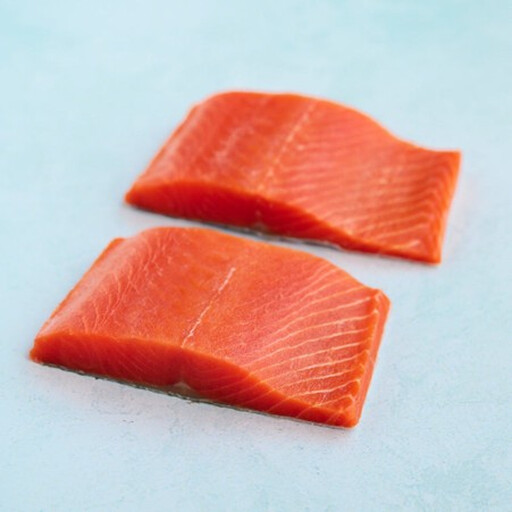
Salmon is an option when planning the oily-fish meal included in NHS weekly fish advice. This frozen 220g pack is described as two skin-on steaks that require thawing before cooking. Check the pack’s cooking directions and bone information before preparing or serving them.
 No image available
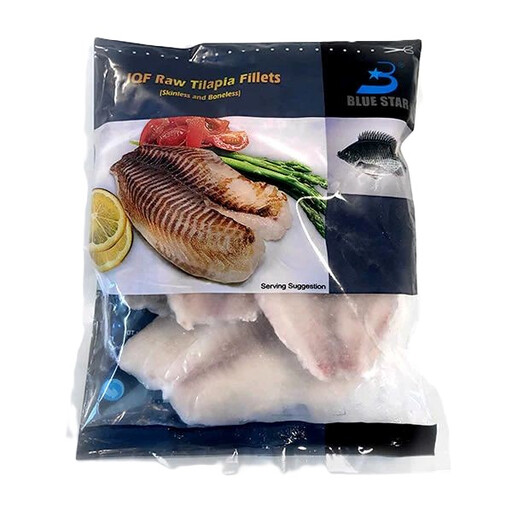
These individually quick-frozen tilapia fillets are an uncoated option with a stated 720g net weight. Although described as skinless and boneless, the listing warns that bones may occur. It lists a stabiliser and says to store the fish at −18°C or below and cook it fully; check the pack for the method and timing.
 No image available
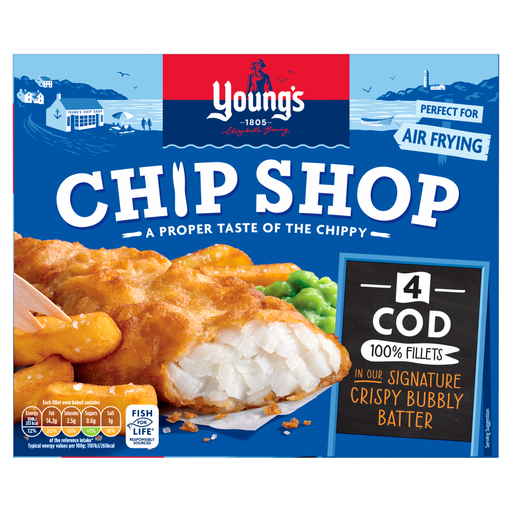
Choose this battered format if you want a prepared cod product rather than control over the coating. The listing gives oven-from-frozen directions and identifies fish, wheat and mustard in its allergen information. Check the full pack details and use its stated oven method and time.
 No image available
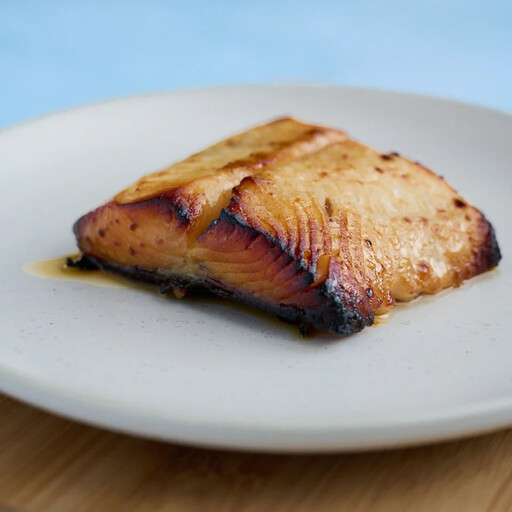
This single marinated steak is a prepared-fish option, not a plain fillet. The listing describes defrosting before cooking and gives grill, pan-fry and oven options. Its miso contains soy; check the full allergen, storage and defrosting directions on the pack.
Choose according to the meal you are planning: cod and other white fish offer a different species and flavour from salmon, an oily fish. The NHS advises at least two fish portions a week, including one of oily fish, so check the species if that oily-fish meal is your aim.
A coated fillet includes ingredients beyond the fish, so it gives you less control over the coating than a plain fillet. Check the exact product’s ingredient list, allergen information and nutrition panel before choosing it for an everyday meal.
Read the allergen information on the exact pack, particularly for battered, breaded, sauced or flavoured fish. The Food Standards Agency says food businesses must provide information about what is in food; do not assume two fish products have the same ingredients.
No. Check the product’s bone warning and take care when serving it. Birds Eye warns on a battered-cod product that some bones may remain despite care taken to remove them.
Frozen fillets suit a plan to keep fish in the freezer; chilled fillets suit a meal you expect to cook within the pack’s refrigerated shelf life. Tesco lists chilled and frozen fish in separate ranges, but the storage and cooking directions on the product you buy should determine how you handle it.