Who each format suits
The recipe determines whether a neutral fillet, prepared fish or a seafood mix is the more useful starting point.
Home cooks building the flavours themselves
Plain frozen fish gives you room to make a curry, tacos or a Mediterranean-style traybake around your own sauce and seasoning. Look for a named species and sourcing details on the pack; the Marine Conservation Society advises considering what the seafood is, where it came from and how it was produced.
Hosts looking for less preparation
Portioned fish, coated products or cooked mixed seafood may fit a meal with fewer preparation steps. Check the exact pack for its certification claim, ingredients and directions: cooked seafood intended for defrosting is not prepared in the same way as raw fish.
Households checking seafood allergens
Check the frozen product and every sauce, stock or condiment in the recipe. The Food Standards Agency distinguishes crustaceans such as prawns from molluscs such as mussels and squid; a mixed dish can include more than one seafood allergen group.
What to check before choosing
Decide how much of the dish you want to prepare yourself, then compare sourcing and ingredient information on the exact products that fit your recipe.
Plain frozen fillets
Choose when: You are making the sauce or seasoning for a curry, tacos or traybake.
Trade-off: You have more control over the flavour, but must prepare the rest of the dish and follow the fillets’ cooking directions.
Mixed seafood
Choose when: Mussels, prawns or squid are part of the intended rice, pasta or noodle dish.
Trade-off: Check sourcing claims and allergens for the individual ingredients rather than treating the mix as one certified species.
Coated fish
Choose when: The crumb belongs in a quick meal such as fish tacos or wraps.
Trade-off: Its coating gives you less control over seasoning and makes the ingredients list especially important.
| Priority | What to check | Your needs |
|---|
| Certification |
Check whether the exact wild-caught product carries the blue MSC label. For farmed seafood, identify any certification stated for that ingredient. |
I want a sourcing claim I can check on the pack, rather than relying on a statement about the brand’s whole range. |
| Species and source |
Read the species name, origin and fishing or farming method where stated. The Marine Conservation Society uses species, area and method when assessing seafood. |
If I am comparing fish or prawns for the same recipe, I do not want to assume that a shared species name tells me everything about their sourcing. |
| Recipe format |
Distinguish plain fillets from coated fish and raw seafood from cooked seafood. Check the preparation directions for the product you choose. |
A sauce-led curry needs a different starting point from a wrap built around crumbed fish or a rice dish using mixed seafood. |
| Ingredients and allergens |
Read the full ingredients and allergen declarations, including those for sauces and stocks. Check fish, crustaceans and molluscs separately. |
When serving seafood to others, I need to know what is in the whole dish, not just the main frozen product. |
Brand and retailer references
These sourcing statements provide context; use the label of the individual frozen product to establish what applies to your meal.
Birds Eye
Offers coated fish and a Captain’s Discoveries range inspired by international flavours.
- Birds Eye states that 100% of the wild fish it sources for the UK is MSC certified.
- That brand statement does not replace checking the certification and ingredients on the particular pack.
Young’s
A seafood brand with a Fish for Life sourcing policy.
- Young’s describes sourcing principles that include objective assessment, traceability and environmental stewardship.
- A corporate policy does not establish that every Young’s frozen product carries MSC or ASC certification.
Tesco
Its frozen range includes plain fish as well as prepared products.
- Tesco’s listed Haddock Fillets identify haddock and carry a claim of certification to the MSC fishery standard.
- Check the label and cooking directions of the particular Tesco product you select.
Sainsbury’s
Offers frozen seafood mixes alongside fish products and publishes a seafood sourcing policy.
- Its listed Frozen Cooked Seafood Selection identifies MSC-certified mussels and ASC-certified king prawns.
- Those are ingredient-specific claims; check the full mix for its other ingredients, allergens and preparation directions.
Asda
Publishes sourcing information covering wild-caught and farmed seafood.
- Asda states that 94% of wild-caught fish sourced for sale in its stores in 2024 was MSC certified or working towards MSC certification.
- The figure combines certified fish with fish working towards certification; it is not a certification claim for an individual frozen pack.
M&S
Its seafood sourcing standard covers fish and shellfish in fresh, frozen, canned and meal products.
- M&S says it works with fisheries and farms that meet its seafood sourcing standard.
- Check a specific product for its species, source, certification and allergens.
Joybuy product options
These options span plain fish for dishes you season yourself, fish fingers or fillets for a simpler meal, and prawns for seafood-led recipes. Check each product’s pack for the sourcing claim relevant to your choice.
 No image available
Ocean Classic Pangasius Fillets, Skinless & Boneless, IQF 170/200g, 1kg Total (800g Net)
Plain fillets leave the seasoning and sauce to you for a curry or soup. The title identifies pangasius, skinless and boneless fillets, IQF freezing and the stated total and net weights; check the pack for sourcing information and preparation directions.
View on Joybuy
 No image available
Birds Eye 10 Omega 3 Fish Fingers 280g
Fish fingers are an option for a casual wrap-style meal rather than a plain fish base for your own sauce. This is a pack of 10 weighing 280g; check its ingredients, allergens, cooking directions and exact-product sourcing claim.
View on Joybuy
 No image available
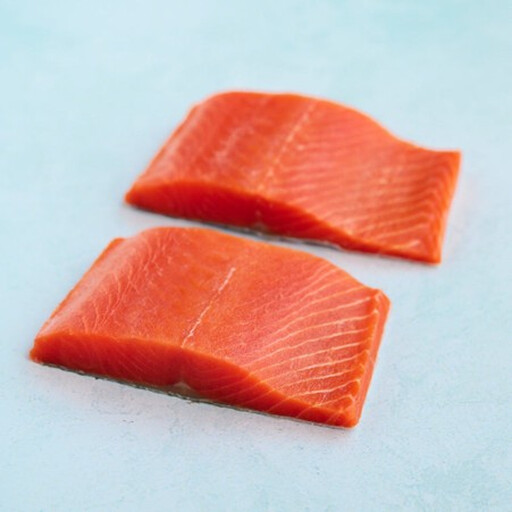
The Fish Society Wild Sockeye Salmon Fillet Steaks 220g
Named sockeye salmon fillet steaks offer a fish-centred starting point for a meal with your own seasoning. The title states wild sockeye salmon and 220g; check the exact pack for fishery details, certification, allergens and preparation directions.
View on Joybuy
 No image available
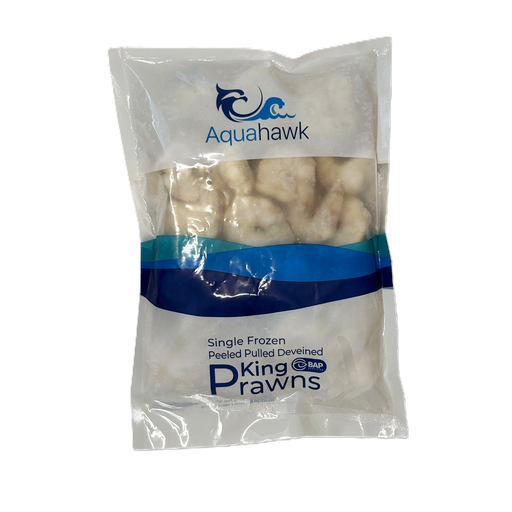
Aquahawk IQF Raw Peeled, Pulled Deveined Vannamei King Prawns, 31/40, 350g Net
These prawns fit a seafood-led curry or stir-fry rather than a frozen-fish fillet recipe. The title states raw, peeled Vannamei king prawns, IQF, size 31/40 and 350g net; follow the pack’s cooking directions and check its aquaculture sourcing and crustacean allergen information.
View on Joybuy
 No image available
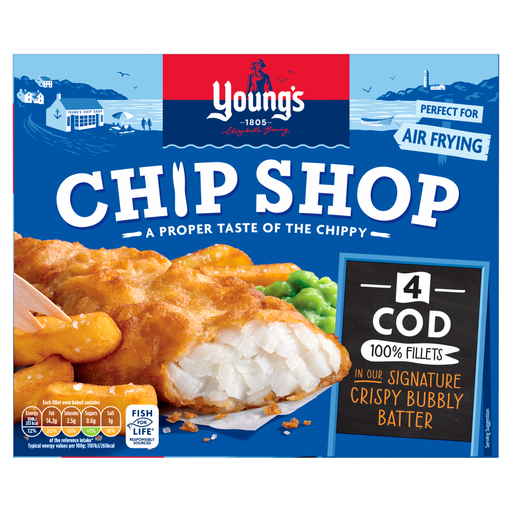
Young’s Chip Shop 4 Cod Fillets 400g
Consider this prepared cod format when the fish itself, rather than a sauce cooked around plain fillets, is the centre of the meal. The title identifies four cod fillets weighing 400g; check the coating ingredients, allergens, cooking directions and product-level sourcing claim.
View on Joybuy
Frequently asked questions
What does the blue MSC label mean on frozen fish?
The Marine Stewardship Council says seafood sold with its blue label is traceable through certified supply-chain businesses to an MSC-certified fishery. Check the exact product for the label; a brand-wide sourcing statement is not the same as a claim on that pack.
Is an MSC label the only sourcing detail worth checking?
No. The Marine Conservation Society assesses seafood by species, where it was caught or farmed, and how. Use those details when comparing products, and check for a relevant farmed-seafood certification on farmed ingredients rather than assuming an MSC wild-fish claim applies to them.
Plain fillets or coated fish for a world food night?
Choose plain fillets if your sauce, spices or cooking method define the dish; choose coated fish if its crumb suits the meal, such as a wrap. Check the coating ingredients and allergens before deciding, as they differ from those of plain fish.
Can frozen mixed seafood work in rice, noodles or pasta?
Yes, when the particular mix and its preparation directions suit the recipe. Sainsbury’s listed Frozen Cooked Seafood Selection is a cooked mix with mussels, king prawns and squid; its MSC claim applies to the mussels and its ASC claim to the king prawns. Check all ingredients and allergens.
What should I check before preparing frozen seafood?
Follow the directions on the exact pack, including whether the seafood is raw or already cooked and whether it should be cooked from frozen or defrosted. Check the product and any sauces or stocks for allergens: the Food Standards Agency classifies prawns as crustaceans and mussels and squid as molluscs.


