Households planning several fish meals
Plain fillets can be divided between different recipes. Compare net weight, stated servings and skinless or boneless descriptions before choosing packs for the week.


For flexible family meals, start by comparing plain frozen fillets by net weight, stated servings and whether they are skinless and boneless. Salmon offers an oily-fish option for a weekly meal plan, while coated portions offer a different kind of convenience; check their fish content, allergens and cooking directions rather than treating them as interchangeable with plain fillets.
The useful pack details depend on whether you are planning several recipes, an oily-fish meal or a quick dinner from the freezer.
Plain fillets can be divided between different recipes. Compare net weight, stated servings and skinless or boneless descriptions before choosing packs for the week.
If your meal plan follows the NHS’s general guidance to include an oily-fish portion among two weekly fish portions, consider salmon alongside white fish. Check the pack weight and portion information for the number of people eating.
Look for instructions for the exact pack if you want to cook from frozen. Coated fish also calls for an ingredient and allergen check, particularly when different people will share the meal.
Choose when: You want fish that can be used across several family recipes.
Bear in mind: White fish does not fill the oily-fish place in the NHS’s general weekly fish guidance, and a larger pack needs freezer space.
Choose when: You are planning an oily-fish meal; the NHS identifies salmon as oily fish.
Bear in mind: Check the number and size of portions rather than assuming each fillet serves one person.
Choose when: A portioned meal with product-specific cook-from-frozen directions suits the evening.
Bear in mind: Coating changes the ingredients and limits how you can use the fish in other recipes.
| Priority | What to check | Your needs |
|---|---|---|
| Enough portions | Compare net pack weight and stated servings. Check whether a listed weight includes a glaze, and look at the number and size of fillets. | I need enough fish for the people eating, with portions I can divide between meals. |
| Fish type | Read the species name rather than relying on a general white-fish description. The NHS identifies cod, haddock and pollock as white fish, and salmon as oily fish. | For a weekly plan following NHS guidance, I want to distinguish an oily-fish meal from meals made with white fish. |
| Preparation | Check whether the fillets are skinless and boneless, and whether the pack requires thawing. Follow its stated cooking method and allow enough room in the cooking appliance. | Some evenings call for fish I can cook from frozen; for other meals, I can plan ahead to thaw it as directed. |
| Ingredients | For coated fish, compare the stated fish content and full ingredient list. Read the current allergen declaration; Birds Eye lists fish, wheat and mustard in its four-pack breaded cod and warns that it may contain milk. | When I choose a prepared portion, I need to know what accompanies the fish and whether its ingredients suit everyone eating. |
| Frozen storage | Follow the pack’s storage temperature, thawing directions and any instruction not to refreeze. The Food Standards Agency says proper chilling, freezing and defrosting helps stop harmful bacteria growing. | With several packs in the freezer, I want to take out what I need without overlooking each product’s handling instructions. |
Pack weight alone does not tell you how many servings it provides. Sainsbury’s describes its 520g Stamford Street Co. White Fish Fillets pack as approximately five servings.
Compare net weight, the stated serving count and fillet sizes when planning meals for the household.
A coated portion contains ingredients beyond fish. Birds Eye lists cod as 54% of its four-pack breaded cod product, which contains wheat and mustard and may contain milk.
Choose plain fillets for recipes that need uncoated fish; if buying coated portions, read their fish content, ingredients and current allergen statement.
The NHS distinguishes oily fish such as salmon from white fish such as cod, haddock and pollock. Its general guidance calls for at least two fish portions a week, including one oily-fish portion.
Check the species when choosing packs for different meals rather than assuming a white-fish pack is an oily-fish option.
Cooking and handling instructions differ. M&S says its British Hake Fillets must be cooked and, if defrosted, should be thawed in a refrigerator and used within 24 hours; its instructions also say not to refreeze after thawing.
Read the pack you are preparing and follow its storage, thawing and cooking directions. The Food Standards Agency advises proper chilling, freezing and defrosting to help stop harmful bacteria growing.
These range examples show different frozen-fish formats; check the current pack for the particular product you choose.
Sainsbury’s lists plain frozen fish, including a Stamford Street Co. white-fish pack suited to comparing family portions.
Young’s lists natural frozen fillets as well as more prepared fish products.
Birds Eye’s four-pack cod fillets in breadcrumbs provide an example of portioned, coated fish.
M&S Food lists frozen hake, salmon and cod fillets in different pack sizes.
Tesco’s frozen fish-fillets category includes own-label fish alongside branded products.
These options cover plain white-fish fillets, battered fish portions and a smaller salmon pack. Compare their pack details and preparation directions against the meals you are planning.
 No image available
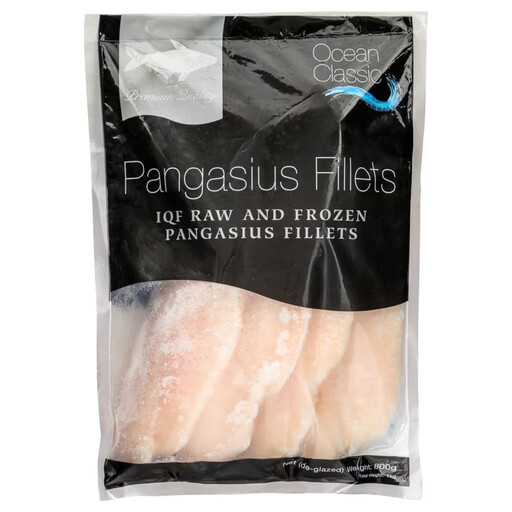
Plain, skinless and boneless pangasius fillets offer a starting point for different family recipes. The listing states 1kg total weight and 800g net; check the pack’s portion information when planning meals. Its instructions call for thawing in the refrigerator before cooking.
 No image available
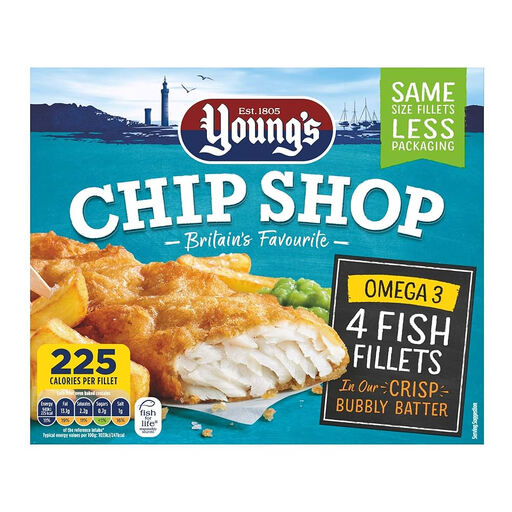
Four battered fillets provide a portioned alternative when you want to oven-bake fish from frozen. The listing gives a 400g pack and identifies Alaska pollock as 50% of the product. It lists fish, wheat, milk and mustard as allergens; follow the current pack’s oven instructions.
 No image available
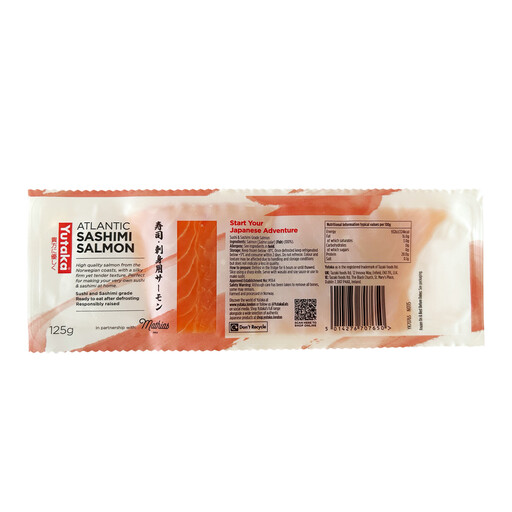
This 125g Atlantic salmon pack is an oily-fish option, but check how its size fits the number of people eating. The listing warns that bones may remain. Check the current pack’s handling and preparation directions before serving; the name alone does not establish how it should be prepared.
Use each pack’s net weight and stated servings to work out how many packs fit your meals. Sainsbury’s describes its 520g Stamford Street Co. White Fish Fillets pack as approximately five servings, while the NHS describes a fish portion in its general guidance as around 140g; check the portions appropriate to the people eating rather than assuming every fillet is the same size.
Yes. The NHS identifies salmon as oily fish and cod, haddock and pollock as white fish; its general guidance recommends at least two fish portions a week, including one oily-fish portion. Check species and pack size when choosing meals for the household.
Follow the exact pack’s directions. Sainsbury’s gives cook-from-frozen instructions for its Stamford Street Co. White Fish Fillets, and Birds Eye does so for its breaded cod, but those instructions should not be applied to another product.
Read the fish content, full ingredients and current allergen declaration. Birds Eye lists cod as 54% of its four-pack breaded cod and declares fish, wheat and mustard, with a warning that it may contain milk; another coated product may differ.
Follow that pack’s storage, thawing, cooking and refreezing instructions. The Food Standards Agency says proper chilling, freezing and defrosting helps stop harmful bacteria growing; M&S instructs shoppers to thaw its British Hake Fillets in a refrigerator, use them within 24 hours if thawed and not refreeze them after thawing.