First-home cooks planning several meals
Plain fillets leave the seasoning and accompaniments up to you. Check the named fish, any ice glaze, the pack weight and whether the cooking instructions fit your plans.


Plain frozen fillets give you room to choose the seasoning and the rest of the meal; choose coated fish or a prepared dish when less assembly matters more. If you want both white and oily fish in your first shop, check the species rather than treating every frozen fish product as interchangeable. Cooking methods, allergens, bones warnings and freezer instructions vary by pack.
The useful starting point is the kind of meal you expect to make, not simply whether the fish is frozen.
Plain fillets leave the seasoning and accompaniments up to you. Check the named fish, any ice glaze, the pack weight and whether the cooking instructions fit your plans.
A coated portion or prepared dish may require less assembly, but do not assume it suits your oven, air fryer or microwave. Read the exact cooking directions and allergen declaration.
Identify the species on each pack so the two purchases serve different roles in your weekly meals. NHS guidance distinguishes an oily-fish portion within its advice on eating fish; individual products still need their own portion and cooking checks.
Decide how you will cook the fish, then compare the exact packs for ingredients, handling instructions and the amount you can use.
| Priority | What to check | Your needs |
|---|---|---|
| Fish and format | Read the species and whether you are buying a plain fillet, coated portion or prepared dish. Check portion and pack weights separately. | I want fish I can use in different meals, or I am choosing an oily-fish option alongside white fish. NHS guidance calls for one oily-fish portion within at least two fish portions a week. |
| Cooking | Check whether the pack says to cook from frozen or thaw first. Match its appliance method and timing to the equipment you have. | A dinner that goes straight from freezer to oven suits my plans; if thawing is required, I need to plan that step. |
| Ingredients | Read the full ingredient and allergen lists, especially on coated or prepared fish. Compare fish percentage only where the packs state it on a like-for-like basis. | I need to know what comes with the fish, whether that is a coating, sauce or seasoning, before choosing it for a meal. |
| Storage and serving | Follow the pack’s freezer temperature and thawing instructions. Check for bones warnings even when a product is described as boneless. | My first freezer shop needs packs I can store and use as directed, with extra care when serving someone for whom a bone poses a particular risk. |
| Sourcing | Look for certification or a fishery statement tied to the individual product. Distinguish it from a retailer-wide sourcing policy. | If sourcing matters to me, I want to check the fish I am actually buying. Tesco Groceries describes its breaded plaice as coming from an MSC-certified fishery; that statement does not describe other packs. |
A plain fillet leaves more ingredients for you to choose; a coated portion or prepared dish includes other components. White and oily fish also have different roles in NHS guidance.
Choose the format for the meals you intend to make, then check the species and ingredients on each pack.
Breadcrumbs, batter and sauces change the ingredient list, so the fish name alone cannot answer an allergen question.
Read the current allergen declaration and, when comparing products, check the stated fish percentage and serving size.
A bones warning can still appear on a fish product. Marks & Spencer’s breaded cod specification, for example, says bones may be present.
Check the exact pack and take care when serving fish to children or anyone for whom a bone poses a particular risk.
Cooking from frozen, thawing first and appliance suitability are product-specific. Birds Eye describes its fish bake as oven-cooked from frozen, while that instruction should not be carried over to an unrelated fillet.
Follow the method, storage temperature and thawing instructions printed on the pack you bought.
These examples show the range of formats and sourcing information to look for; a brand name alone does not settle the details of an individual pack.
A reference for coated fish and prepared frozen dishes.
A reference for natural frozen fish fillets as well as prepared formats.
Own-label examples include plain and coated frozen fillets.
A retailer reference for frozen fish products and seafood sourcing statements.
A retailer reference for seafood sourcing policy.
These options cover a coated cod product, salmon, plain fillets and seasoned fillets. Compare their preparation needs as well as the fish named on the pack.
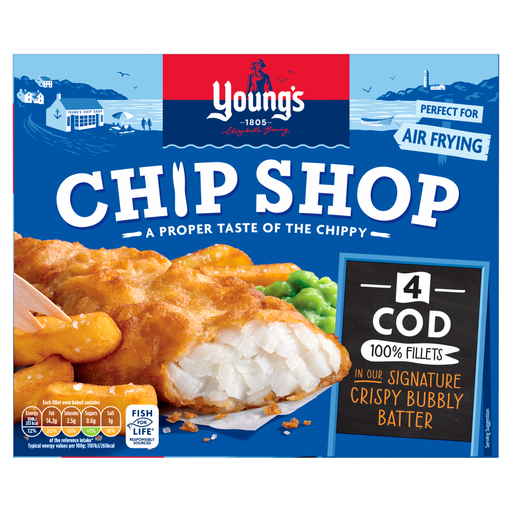 Image unavailable
A coated cod option for a meal you plan to cook in the oven from frozen. The pack contains four fillets; check its current wheat and mustard declaration and follow its cooking directions rather than assuming an air-fryer method.
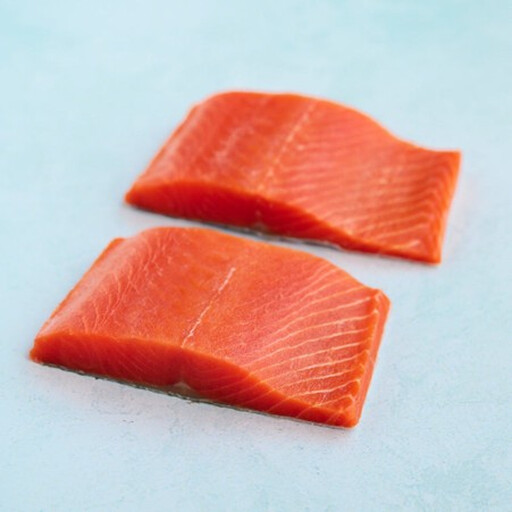 Image unavailable
A salmon choice when you want an oily-fish option. The listed pack has two skin-on steaks and calls for thawing before cooking; check the pack’s cooking directions, bones information and allergen label.
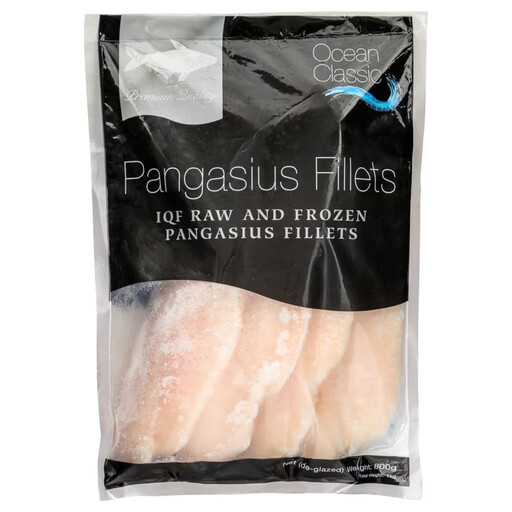 Image unavailable
Plain pangasius fillets leave the seasoning to you. Note the distinction between total and net weights when planning meals; the stated directions call for refrigerator thawing before cooking, so check the pack method and bones information.
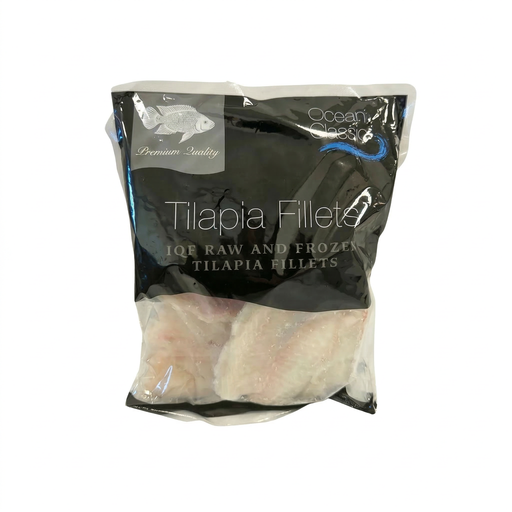 Image unavailable
A plain tilapia option for meals where you choose the other ingredients. The stated directions require thawing before cooking; consult the pack for the cooking method and bones information.
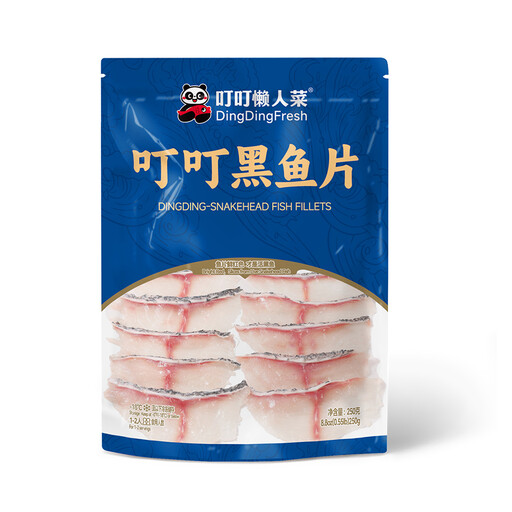 Image unavailable
These seasoned fillets are described for hot pot or stir-fry rather than as an unseasoned fish ingredient. Check the pack’s net quantity, full ingredient list, cooking directions and bones information before planning portions.
No—not when the particular pack gives directions for cooking from frozen. Young’s says its Natural Fish Fillets cook from frozen, while Birds Eye describes its fish bake as oven-cooked from frozen. Other products call for thawing first, so follow the method on the fish you buy.
Follow the temperature printed on the pack. Birds Eye’s breaded-fillet specification says to store it at −18°C or colder; also read your chosen product’s instructions for handling it after thawing.
No. A coating or sauce can add ingredients beyond the fish itself. Read the current ingredient list, highlighted allergens and any precautionary statement on the exact pack before deciding whether it meets that person’s requirements.
No. Tesco Groceries describes its basa fillets as boneless, but a description is not a guarantee about every serving. Check the pack’s warnings; Marks & Spencer’s breaded cod specification explicitly says bones may be present.
No. A retailer-wide policy gives context, not the status of each product. Look for certification or fishery information tied to the pack: Tesco Groceries, for example, identifies an MSC-certified fishery for its breaded plaice specifically.