One-person meal planners
If fish is an occasional meal, a stated fillet or portion count helps you plan beyond the total pack weight. Check whether you can remove one portion without thawing the rest.


For an occasional one-person meal, start with a pack that states two fillets or two portions; a four-fillet pack makes more sense for repeated meals if one fillet can be removed while the rest stays frozen. Choose plain fish if the meal preparer wants to control the seasoning and accompaniments, or a coated product if its cooking instructions suit the available appliance. Check the exact pack for allergens, bones warnings and storage directions before buying.
If fish is an occasional meal, a stated fillet or portion count helps you plan beyond the total pack weight. Check whether you can remove one portion without thawing the rest.
When someone else will prepare or receive the meal, check that the cooking method is available in their kitchen. Read the exact product’s allergen information, bones warning and cooking directions.
Plain, breaded, battered and gluten-free variants have different ingredients. Check the exact label against the recipient’s requirements rather than relying on the brand or product photo.
Decide how many meals the pack needs to cover, then check whether its preparation and storage directions work for the person serving it.
| Priority | What to check | Your needs |
|---|---|---|
| Portion format | Read the stated fillet or portion count alongside pack weight. For one-at-a-time use, check whether a fillet can be removed while the remainder stays frozen. | I’m planning occasional meals for one, so a clearly stated two-portion pack is easier to assess. For several meals, I could use a larger pack if its portions can be separated as needed. |
| Preparation | Check whether the fish is plain or coated, whether it needs thawing, and which appliances the label covers. Follow the exact product’s cooking directions. | The person preparing this meal needs instructions that match the oven, air fryer or hob they can use. If they want to choose the seasoning, plain fish offers that flexibility. |
| Ingredients | Read the exact ingredient and allergen statements. If comparing nutrition, use the serving basis shown on each label, such as per fillet or per 100g. | For someone avoiding a particular ingredient, I need to check the specific variant: a gluten-free coating and a standard breaded coating are not interchangeable. |
| Storage and serving | Check the freezer temperature, thawing and refreezing directions, and any bones warning. Do not assume that a skinless or boneless description removes the need to check when serving. | I need the unused fish to remain frozen until another meal and the prepared portion to follow its own cooking instructions. |
A portion count tells you how many servings the pack describes, not how the fillets are packed inside. That distinction matters when only one meal is needed.
Check the exact packaging for individual wrapping or directions for removing one frozen portion without thawing the rest.
ASDA’s product information lists fish, wheat and mustard in the standard Birds Eye 2 Breaded Fish Fillets 200g pack. Its Birds Eye gluten-free two-fillet variant is labelled free from cereals containing gluten but still contains fish.
Read the current allergen statement for the exact variant, especially when switching between breaded, battered and gluten-free products.
Product instructions can require cooking, warn that bones may remain and specify what to do after thawing. Those details matter when preparing a meal for another person.
Check whether the product is raw, follow its appliance-specific cooking directions and observe its freezer and refreezing instructions.
These examples show pack formats worth checking; a brand name alone does not establish the portion size, ingredients or cooking method of another product in its range.
ASDA lists Birds Eye breaded fish in two-portion 200g and gluten-free 250g packs.
Sainsbury’s lists Young's Gastro two-fillet products in 270g and 310g formats.
Tesco’s listings include two cod loins, two salmon fillets and four-fillet coated options.
Sainsbury’s frozen-fish listings include own-label fish and named two-fillet products.
ASDA’s pages for the cited Birds Eye two-fillet packs give portion counts, allergens, storage and cooking information.
M&S lists plain frozen fish including cod; its Wild Icelandic Cod Fillets are listed as a 380g pack.
These frozen-fish options include plain fillets and steaks for planned meals, plus a coated four-fillet pack for repeated meals. Check how each pack handles one portion at a time.
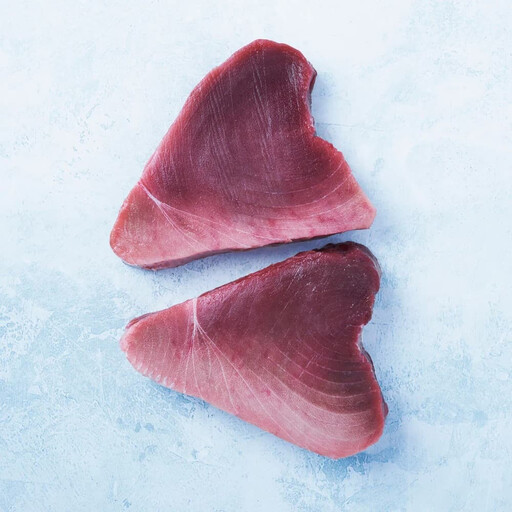 No image available
Two stated steaks make the pack format clear for planning separate meals. Each steak is listed as 130g; check the cooking and allergen directions before serving.
 No image available
This larger plain-fish pack is a consideration for repeated meals if its opened packaging suits removing portions as needed. The title states skinless, boneless, individually quick-frozen (IQF) fillets and 800g net weight; follow its refrigerator-thawing directions.
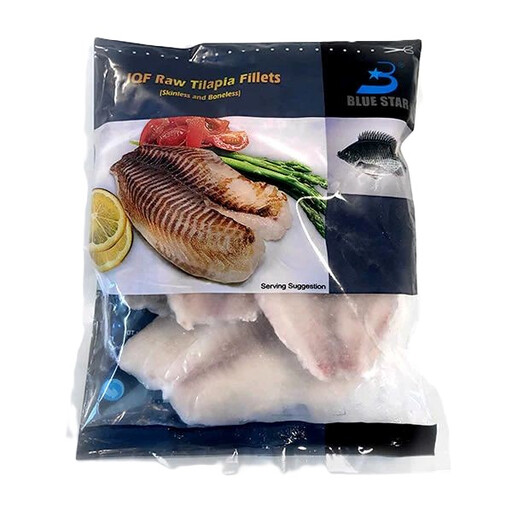 No image available
The stated fillet-weight range can help with portion planning, but check the pack’s fillet count and how portions can be removed. These are raw, skinless and boneless-described fillets that require cooking; the product information also warns that bones may remain.
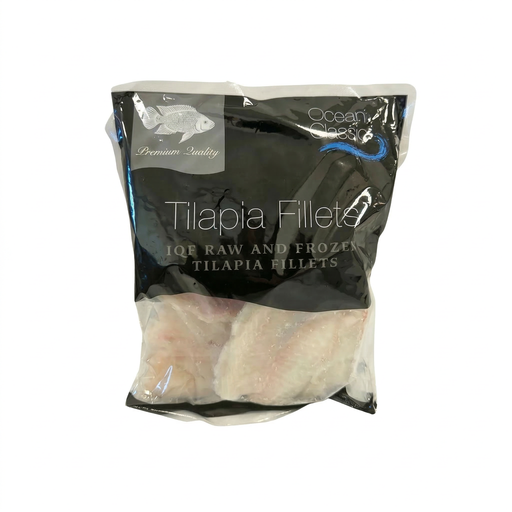 No image available
This plain-fish pack is described as family-size, so check its fillet count and packaging before relying on it for one-at-a-time meals. The product directions say to thaw before cooking and consume immediately after opening.
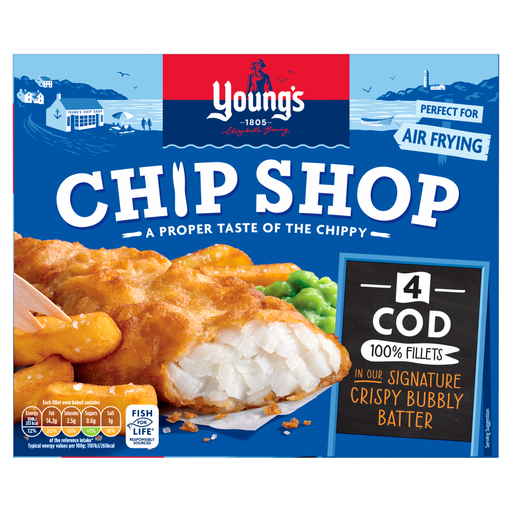 No image available
Four stated fillets suit planning several meals if the pack allows one to be removed while the others stay frozen. The product provides oven-from-frozen directions, contains fish, wheat and mustard, and warns that some bones may remain.
Start with a stated fillet or portion count, not pack weight alone. A two-portion pack can cover occasional meals, but check whether you can remove just one fillet while keeping the other frozen; two portions do not guarantee separate wrapping.
Choose plain fish if the meal preparer wants to control the seasoning and accompaniments; consider coated fish when its stated cooking method suits the kitchen. Check the exact coated product’s ingredients and nutrition panel, as variants can differ in allergens and in values shown per fillet.
Follow the exact product’s freezer, thawing and cooking instructions. The cited ASDA Birds Eye packs specify freezer storage at −18°C or cooler and no refreezing after defrosting; plain raw fish also needs cooking before serving.
No. The NHS distinguishes white fish such as cod and haddock from oily fish such as salmon, sardines, trout and mackerel. Check the fish named on the pack rather than using its coating to identify the type.