Solo shoppers planning freezer meals
Countable fillets help you plan one meal at a time. Consider how many you will use and whether the remaining portions fit your freezer plans.


A two-fillet pack makes sense when you want fewer portions to store; a larger pack works for one-person meals if you can use the remaining fish. Choose plain raw fillets when you want to decide how to season and cook them, or coated portions when you want that meal format. Check the stated portion size, fish content, salt, allergens and cooking instructions before treating the formats as interchangeable.
Countable fillets help you plan one meal at a time. Consider how many you will use and whether the remaining portions fit your freezer plans.
Battered or breaded portions provide a ready-coated format. Compare the fish percentage, nutrition per serving and coating allergens rather than assuming similarly named fillets are alike.
Raw frozen fillets leave the seasoning and accompaniments up to you. Check whether the pack calls for defrosting before cooking and whether bones may remain.
Start with portions you can realistically use, then compare the preparation and label details that matter for your meals.
| Priority | What to check | Your needs |
|---|---|---|
| Usable portions | Check pack weight, fillet count and any stated serving size. Confirm whether you can take out the amount you need while keeping the rest frozen as directed. | I cook for one and want to use the remaining portions, not leave them forgotten in the freezer. |
| Plain or coated fish | For coated fish, compare the fish percentage and nutrition per stated serving. For raw fillets, check the cooking method and whether defrosting is required. | Some meals call for a ready-coated portion; for others, I would rather choose the seasoning and sides myself. |
| Sourcing information | Look for a product-specific sourcing statement and identify whether it refers to an independent label or the brand’s own programme. | If sourcing affects my choice, I want to know what the statement on this particular pack means. |
| Allergens and preparation | Read the current ingredient and allergen label. Follow that pack’s instructions for cooking, defrosting and storage, and check any warning about bones. | I need instructions and allergen information for the fish I am actually buying, especially when switching between coated and raw products. |
More fillets are useful for one-person meals only if you can store and use the portions left after the first meal.
Check the fillet count and stated servings, then plan how you will use the rest of the pack.
A coated fillet includes batter or breadcrumbs as well as fish. For example, Sainsbury’s lists fish as 50% of the ingredients in the checked Young’s Chip Shop Omega 3 fillets.
Compare fish percentages where stated, along with the ingredients and nutrition per serving. Use the same checks when comparing coated packs with one another.
An omega-3 reference on a coated white-fish product does not make it the same choice as oily fish. The NHS distinguishes an oily-fish portion in its weekly fish guidance.
If you are using that NHS guidance to plan meals, consider oily fish separately rather than counting a coated pollock fillet as a substitute.
Preparation differs between products: Marks & Spencer’s British Hake Fillets are raw, may contain bones and direct users to defrost them in a refrigerator.
Read the current pack before cooking, including its allergen, defrosting and storage instructions.
These product-line examples show different pack formats and label details; a brand name alone does not establish which pack suits your meal.
The checked battered-fish pack is a small, two-portion coated option.
The checked Chip Shop Omega 3 pack is a battered format with four stated servings.
Its own-label frozen-fish listing includes a four-fillet breaded cod pack.
Its frozen-fillet listings include different fish species and preparations.
The checked British hake and Wild Icelandic cod products offer raw-fillet options.
These options include coated fillets, fish fingers and plain frozen fillets. For a one-person meal, use the pack size and format to decide which products to examine more closely.
 No image available
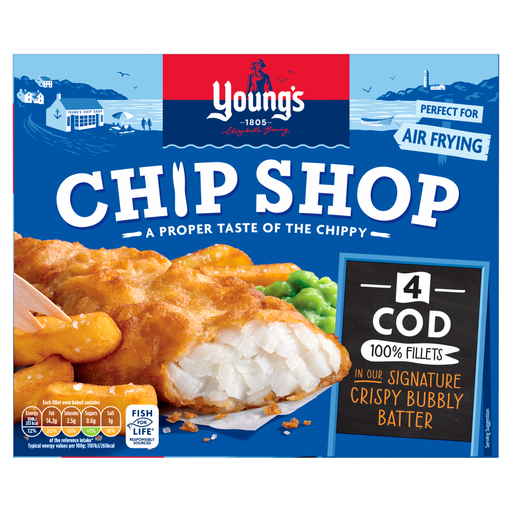
Four coated cod fillets give you a stated count for planning meals from a 400g pack. Check the current pack for cooking instructions, allergens and any bone warning.
 No image available
This 280g pack contains ten fish fingers rather than full-size fillets. Decide how many you would use in one meal and check the current allergen and cooking information.
 No image available
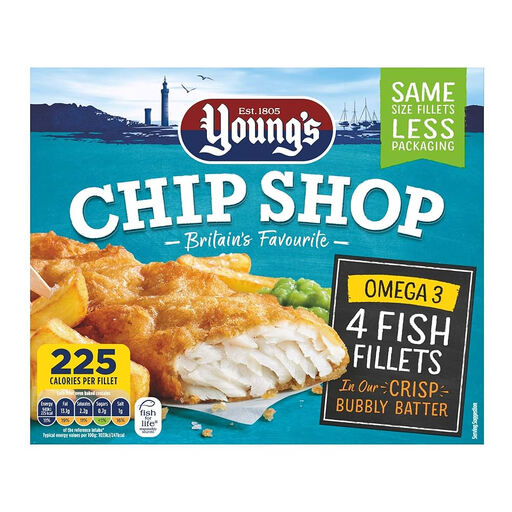
Four coated fish fillets in a 400g pack offer a stated count for meal planning. Check the pack’s fish percentage, allergens and cooking directions when comparing coated options.
 No image available
These plain fillets offer an alternative to a ready-coated portion. The title distinguishes 1kg total weight from 800g net weight; check the pack’s defrosting instructions when planning a meal.
 No image available
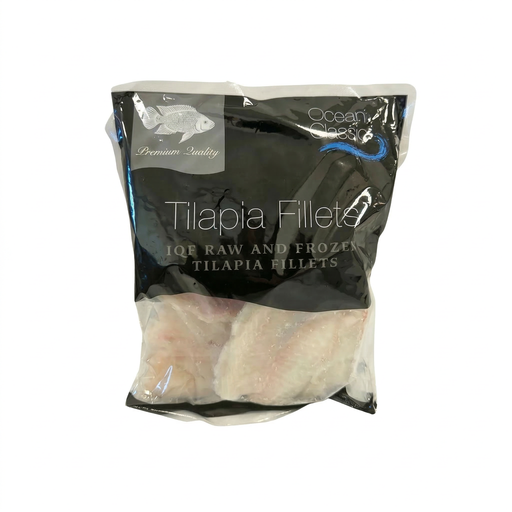
This plain tilapia option states 800g net weight within a 1kg total pack. If you need one fillet at a time, check the pack for its fillet count and preparation instructions.
Not necessarily. The NHS describes a fish portion as around 140g, while the checked Birds Eye and Young’s coated packs state 100g portions per fillet. Use the serving size on the pack rather than assuming that every fillet matches the NHS reference portion.
No. An omega-3 reference on a coated white-fish product does not change the type of fish. NHS guidance distinguishes oily fish when describing its weekly fish recommendation, so check the fish species when planning around that guidance.
No; follow the instructions for the particular product. The checked Birds Eye and Young’s coated products give cooking-from-frozen directions, while Marks & Spencer’s British Hake Fillets direct users to defrost the raw fish in a refrigerator and use it within 24 hours.
Check the current pack’s full ingredient and allergen label, including the coating. The checked Birds Eye and Young’s products identify coating allergens, but their ingredient lists differ, so do not rely on another pack’s label.