Solo cooks who want flexible portions
Plain fillets let you choose the seasoning and sides. A stated fillet weight or serving count helps you decide how much of the pack to cook; check the cooking directions and any bone warning too.


For a one-person meal, choose a plain frozen fillet if you want to add your own seasoning and sides, and check the stated servings or fillet size before deciding how much to cook. A two-loin pack can give a clearer serving cue than a pack of smaller fillets; a coated or marinated product is a different choice, with its own ingredients and cooking instructions.
Plain fillets let you choose the seasoning and sides. A stated fillet weight or serving count helps you decide how much of the pack to cook; check the cooking directions and any bone warning too.
If you want fish available for separate meals, look at the number of pieces and servings rather than the pack weight alone. Check whether the product’s instructions let you cook the amount you intend to use without thawing the rest.
Plain fish, coated fish and marinated fish have different ingredient lists. For a gluten-free coated option or any allergy-related choice, read the current pack: GOV.UK says fish must be declared in the ingredients list when present in prepacked food.
Start with the amount you would cook for one meal, then check the ingredient format and the instructions for your available appliance.
| Priority | What to check | Your needs |
|---|---|---|
| Portion format | Compare the stated piece count, serving count and fillet weight. Tesco lists a typical haddock fillet as 90g; Asda states three servings for its 320g cod fillets and two for its 300g cod-loin pack. | I want to take out enough fish for one meal without treating the whole pack—or every individual piece—as one serving. |
| Cooking method | Read the exact oven, microwave or pan-frying directions and any defrosting requirement. Tesco gives a microwave-from-frozen method for its haddock; Asda says its 320g cod fillets are not suitable for microwave cooking. | If I am relying on a microwave or cannot plan ahead to defrost fish, the permitted method matters as much as the pack size. |
| Fish and coating | Check the named species and whether the product is plain, coated or marinated. Birds Eye describes its gluten-free breaded option as prefried portions formed from pieces of Alaska pollock fillet. | I may want plain fish to season myself, or a coated option for a particular meal. The product name alone does not tell me everything in the ingredients list. |
| Pack warnings | Read the allergen statement, possible-bones warning and thawing directions. Tesco and Asda warn that bones may remain in products described as boneless; follow each pack’s storage instructions. | I need to know what to check before serving the fish and what the pack permits after thawing. |
Piece and serving sizes vary: Tesco states 90g for a typical haddock fillet, while Asda labels its 300g two-loin pack as two servings. Pack weight alone does not show how many meals you would make from it.
Check the piece count and stated servings together, then compare them with the amount of fish you normally cook.
Tesco provides microwave-from-frozen directions for its haddock, but Asda says its 320g cod fillets are not suitable for microwave cooking and specifies refrigerator defrosting before shallow frying.
If a particular appliance is essential, confirm that the exact product’s pack gives instructions for it.
Birds Eye describes its gluten-free breaded product as coated, prefried portions formed from pollock pieces. That differs from an uncoated fillet you season yourself.
Compare the current ingredients, allergen statement and nutrition panel for the products you are considering.
Some products described as boneless still carry a possible-bones warning. The M&S Wild Icelandic Cod Fillets and Birds Eye gluten-free breaded fillets also state that they should not be refrozen after thawing.
Check for bones when serving fish, and follow the storage and thawing instructions on the particular pack.
These ranges illustrate different plain, coated and portioned formats; check the current pack for the details of the product you choose.
Tesco’s plain frozen haddock offers a stated typical fillet size for planning smaller or flexible meals.
Asda provides serving counts for both its plain cod fillets and its two-loin cod pack.
M&S lists frozen fish options including plain cod, haddock and salmon.
Young's lists natural frozen cod, smoked haddock and salmon fillets as well as other prepared fish products.
Birds Eye’s gluten-free breaded pollock is a coated option rather than a plain fillet.
Sainsbury's lists plain frozen salmon, cod, haddock portions and basa alongside coated fish options.
These options include plain frozen fillets, fish steaks and a marinated single steak. Compare their stated piece sizes and pack formats with the amount you intend to cook; they are not interchangeable with plain, skinless fillets.
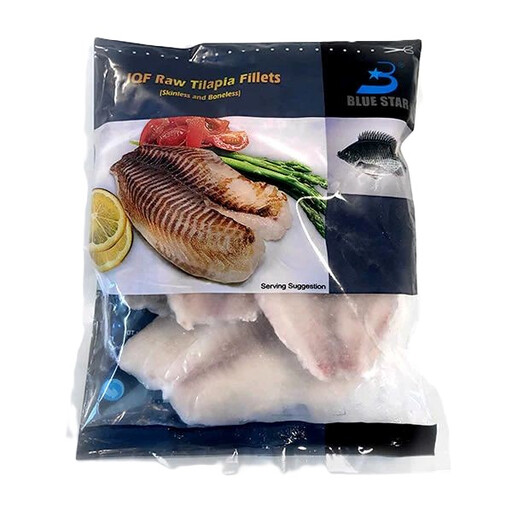 No image available
Consider these skinless and boneless frozen fillets if you want plain fish to season for separate meals. The pack is 720g net and the title gives a 140/200g size designation; check the current pack’s cooking directions and possible-bones warning before use.
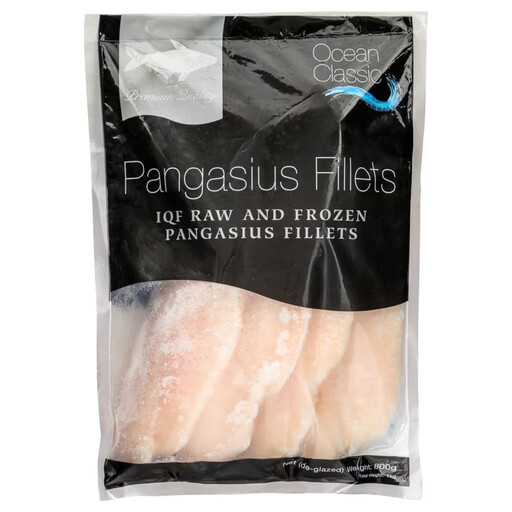 No image available
This skinless and boneless fillet pack is an option for plain fish across several meals. The product name states 1kg total weight and 800g net; check the piece count, the meaning of its 170/200g size designation and the thawing directions when planning one meal.
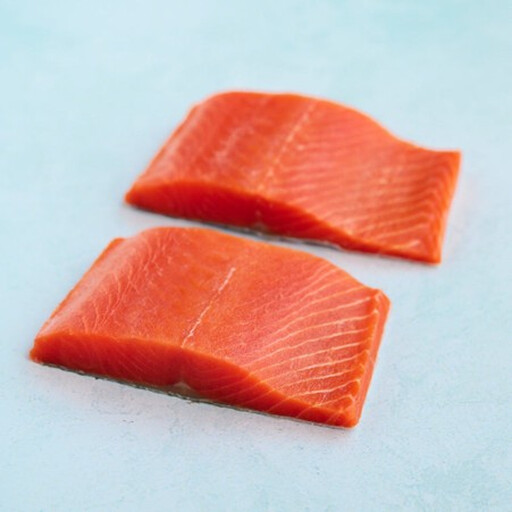 No image available
Choose this format if you want salmon steaks rather than a plain white-fish fillet. The 220g pack contains two skin-on steaks; check whether you can remove one while the other remains frozen and follow the pack’s cooking directions.
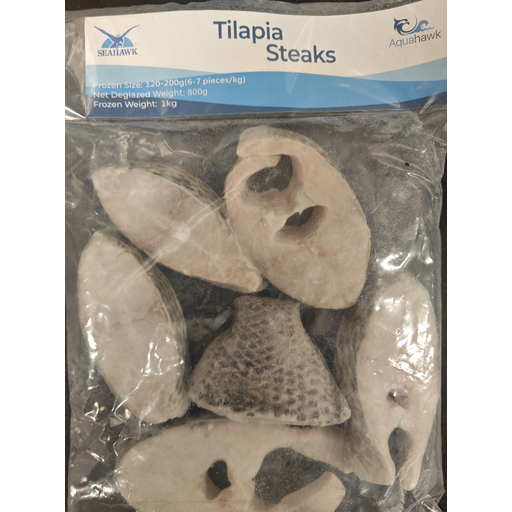 No image available
The stated range of six or seven steaks gives a piece-count cue for meals cooked separately. These are steaks, not skinless and boneless fillets; check the current pack for bone information, individual piece size and cooking instructions.
 No image available
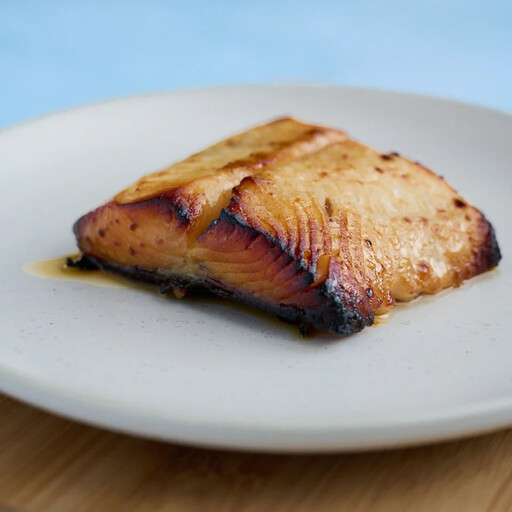
The single 140g steak provides a clear pack quantity for one meal, but it is marinated rather than plain fish. Check its ingredients and allergens if you need an unseasoned option, and follow the pack’s defrosting and cooking instructions.
No. Check the product’s stated weight and servings: Tesco lists a typical haddock fillet as 90g, while the NHS describes a fish portion as around 140g. A smaller fillet may suit the meal you are making, but one piece does not automatically match that portion guide.
Yes, when the exact product’s instructions give a cook-from-frozen method. Tesco provides oven and microwave methods for its haddock, and Asda gives an oven-from-frozen method for its cod loins. Other methods may require defrosting: Asda specifies refrigerator defrosting before shallow-frying its 320g cod fillets.
Yes. GOV.UK says fish must be clearly labelled in the ingredients list when it is present in prepacked food. Coatings, sauces and marinades may add other ingredients, so read the current pack rather than relying on the product name alone.
Follow the directions for the specific product. The M&S Wild Icelandic Cod Fillets and Birds Eye gluten-free breaded fillets both state not to refreeze after thawing; use the pack’s storage and defrosting instructions when planning separate meals.
No. Plain fillets leave seasoning and sides to you, while a coated fillet includes other ingredients and may have different cooking instructions. Birds Eye describes its gluten-free breaded pollock portions as coated and prefried, so compare the actual ingredients and directions before choosing.