Couples keeping preparation simple
A prepared salmon Wellington, en croute or side of salmon gives you a defined format for a shared main. Check the stated servings and cooking method: a centrepiece pack may be larger than you need for two.


For a shared main with less preparation, consider a frozen salmon Wellington, en croute or side of salmon, but check the serving guidance before buying for two. Plain fillets give you more control over seasoning and plating; choose coated fish when its batter or breading is part of the meal you want, rather than comparing its pack weight directly with plain fish. In every format, check the fish quantity, allergens and cooking instructions on the exact product.
The useful starting point is how much of the anniversary meal you want the fish product to provide: a prepared main, an ingredient to cook your way, or a familiar oven-ready dish.
A prepared salmon Wellington, en croute or side of salmon gives you a defined format for a shared main. Check the stated servings and cooking method: a centrepiece pack may be larger than you need for two.
Plain frozen fillets leave the seasoning, sauce and sides to you. Compare the fish type, portion count and any protective ice glaze so that the pack fits the meal you intend to cook.
Read the exact product’s ingredients, allergen statement, bone warning and cooking directions. A coated fillet can have a different fish content and allergen list from a plain fillet, even when both are sold as frozen fish.
Choose the format that fits your menu and preparation time, then compare the quantity of fish, portions and pack instructions within that format.
Choose it when: You want a shared anniversary main with much of its presentation already planned.
Trade-off: Pastry, glaze or other prepared components are part of the pack, so its total weight is not necessarily the weight of fish.
Choose them when: You want to decide the seasoning, sauce and presentation yourself.
Trade-off: The finished dish needs more of your own preparation, and a boneless description does not replace checking for bone warnings.
Choose it when: The coating or sauce is part of the dinner you have in mind.
Trade-off: Fish may account for only part of the pack; the Young’s battered fillets listed by Joybuy contain 50% Alaska pollock fillet.
| Priority | What to check | Your needs |
|---|---|---|
| Serving format | Check whether the pack is a Wellington, en croute, side of salmon or individual portions. Read its serving guidance and stated weight rather than assuming a centrepiece serves two. | I would like a shared main without extensive preparation, but I need to know whether the pack suits two diners or calls for a plan for leftovers. |
| Fish quantity | Distinguish total pack weight from any stated fish quantity or protective ice glaze. For coated products, check the fish percentage and ingredients before comparing them with plain fillets. | If I am choosing between plain, glazed and battered fish, I want to understand what each pack actually contains. |
| Cooking plan | Check whether the exact product says to cook from frozen or to defrost first, and whether its method fits your equipment and timing. GOV.UK guidance for food businesses says to defrost food fully before cooking unless the manufacturer instructs otherwise, and to defrost frozen food in the fridge. | I need a method I can follow on the evening, including time to defrost in the fridge if the instructions require it. |
| Guests and ingredients | Read the full allergen statement and any bone warning. If sourcing matters to you, check certification on the particular product: Sainsbury’s lists MSC certification for its cited pollock and ASC certification for its cited basa. | A guest’s allergen requirements or difficulty managing bones may change which format I serve. I also want any sourcing label to apply to the fish I actually buy. |
Protective ice glaze can make total pack weight and the stated quantity of fish different measures. Ocean Classic’s cited pangasius listing describes a 1 kg pack and 800 g of fillets including ice, wording worth checking against the pack before making a quantity comparison.
Compare quantities on the same stated basis, and clarify whether a declared fillet weight includes ice.
The Young’s battered fillets listed by Joybuy contain 50% Alaska pollock fillet and declare fish, gluten, milk and mustard as allergens. Their 400 g pack is therefore not 400 g of plain pollock.
Choose the coated format for the dish it makes, and check its fish percentage, ingredients and allergens on the exact product.
Product warnings can still say that bones may remain. Tesco’s cited haddock fillets, for example, carry that caution despite efforts to remove bones.
Read the warning and check portions as you serve them, particularly when a guest may have difficulty managing bones.
Some fish products have cook-from-frozen directions, while others call for defrosting. GOV.UK guidance for food businesses says food must be fully defrosted before cooking unless the manufacturer instructs you to cook it from frozen.
Follow the exact pack method. If defrosting is required, plan time to do it in the fridge rather than leaving the fish at room temperature.
These ranges illustrate different frozen-fish formats; a range description does not mean every product has the same ingredients, certification or cooking instructions.
Relevant if a familiar breaded or oven-ready fish format suits the dinner you are planning.
Its battered fish offers a different dinner format from fillets you season yourself.
Its cited listings include both prepared salmon formats and plain frozen fish.
Its cited plain frozen pollock and basa fillets suit a meal in which you plan the sauce and sides.
Its cited coley fillets provide a plain-fish option with a stated portion count.
Its cited frozen range includes salmon en croute and a side of salmon for a shared main.
These options cover cook-your-own steaks and fillets, a coated fish product and bone-in chunks. Check the portion format and preparation needed for your anniversary menu; none should be mistaken for a prepared Wellington or en croute.
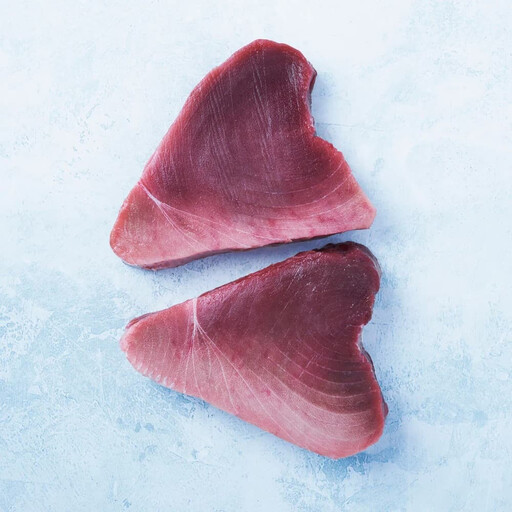 Image unavailable
The two-steak format gives you individual portions to plan around for a cook-led dinner. ‘Sashimi Grade’ is wording in the product name, not a guarantee that the fish is suitable to serve raw; check the pack’s handling and preparation instructions.
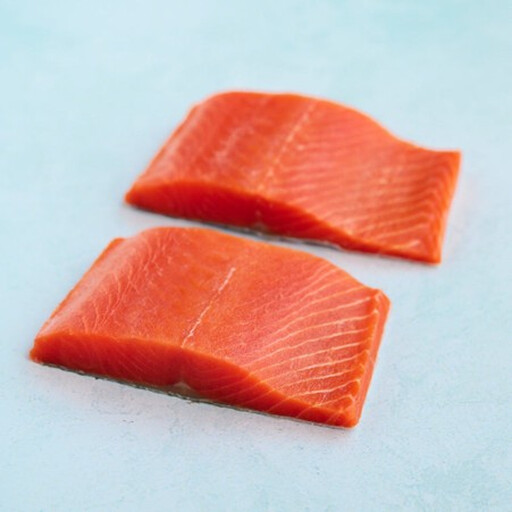 Image unavailable
These salmon fillet steaks are an option when you want to prepare the fish and choose the sides yourself. Check whether the 220 g pack fits the portions you have planned and follow its defrosting and cooking instructions.
 Image unavailable
These plain fillets leave the seasoning and plating to you. The product wording describes a 1 kg total pack and 800 g of fillets including ice; check the pack to establish the fish quantity before comparing it with another frozen-fish pack.
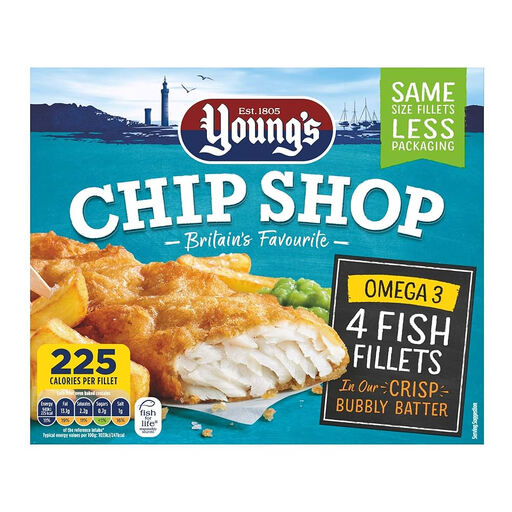 Image unavailable
The battered format suits a more casual fish main rather than a plain fillet you season yourself. Joybuy lists 50% Alaska pollock fillet and declares fish, gluten, milk and mustard; follow the product’s cook-from-frozen instructions and heed its bone warning.
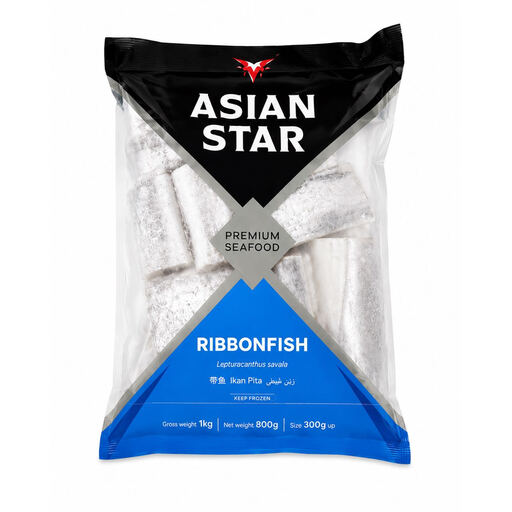 Image unavailable
The chunks are a cook-led option rather than a ready-to-serve centrepiece. They are bone-in, so consider whether that format suits your guests; the product name distinguishes the 1 kg pack from its stated 800 g net weight.
Yes, if the particular product instructs you to cook it from frozen; otherwise, defrost it fully before cooking. GOV.UK guidance for food businesses sets out that distinction and advises fridge defrosting. Tesco’s cited haddock and Asda’s cited coley have cook-from-frozen directions, but use the method and timings on your own pack.
Choose a Wellington, en croute or side of salmon if you want a shared format with less assembly; choose plain fillets if you want to decide the seasoning and plating. Check the stated servings and weight in either case, since a centrepiece may provide more than two portions.
Check the stated fish quantity or percentage as well as the total pack weight. Ocean Classic’s cited pangasius wording mentions 800 g of fillets including ice in a 1 kg pack, while the Young’s battered product lists 50% Alaska pollock fillet; neither figure should be treated as the weight of plain, unglazed fish without checking what it measures.
No. A product can carry a warning that bones may remain despite efforts to remove them, as Tesco’s cited haddock fillets do. Read the exact pack and check portions when serving guests who may have difficulty managing bones.
Follow the instruction on the exact product rather than assuming it can be refrozen. The cited M&S cod and Young’s product information both say not to refreeze after thawing, so plan their preparation around that restriction.