Shoppers planning regular fish meals
Keeping different types of fish in the freezer can make weekly meal planning simpler. NHS guidance recommends at least two portions of fish a week, including one portion of oily fish.


Choose the frozen-fish format you will use: plain fillets give you control over added ingredients, salmon or mackerel can provide an oily-fish option, and coated portions offer a different texture with more ingredients to check. A premium range name alone tells you little about the fish inside; compare the species, cut, fish content where stated, portion size, allergens and cooking directions.
Keeping different types of fish in the freezer can make weekly meal planning simpler. NHS guidance recommends at least two portions of fish a week, including one portion of oily fish.
A cook-from-frozen product may suit a low-effort supper, provided its own cooking instructions are followed. The Food Standards Agency notes that older adults are more susceptible to foodborne illness, making storage and cooking directions particularly important.
A cod loin, salmon steak and breaded fish finger serve different meals. Check the named species, cut, pack weight and fish content where stated, rather than treating a premium range name as a description of the product.
Start with the meal you want to make, then check the pack for the fish type, preparation required and ingredients.
| Priority | What to check | Your needs |
|---|---|---|
| Fish type | Identify the species rather than relying on a product-range name. Check whether an oily-fish option is part of the meals you are planning. | I want a mix of fish meals, including an oily-fish option. NHS guidance recommends at least two fish portions a week, including one of oily fish. |
| Preparation | Check whether the fish must be thawed or can be cooked from frozen. Follow the pack’s storage and appliance-specific cooking directions. | On a low-effort day, I would rather choose a format whose preparation steps fit the way I cook. |
| Ingredients | Distinguish plain fish from breaded, battered or sauced portions. Read the ingredients, allergen information and salt figures on the pack. | I may enjoy a coated portion, but I need to know what comes with the coating, particularly when buying for someone with an allergy. |
| Cut and portions | Compare the named cut, net weight, number of portions and fish content where declared. Check for any warning that bones may remain. | A two-piece pack or a particular cut might fit my meals better than a larger pack, regardless of the range name. |
Cod and haddock are white fish, while salmon and mackerel are oily fish. Buying only white fish will not cover the oily-fish portion in the NHS weekly guidance.
Read the species on each pack and include a clearly identified oily fish if you are planning that portion.
A range can contain both plain cuts and prepared fish. The name of the range does not tell you whether a portion is coated, sauced or simply a fillet.
Compare the species, cut, pack weight and fish content, where stated, between products of the same format.
Breadcrumbs or batter introduce other ingredients. Sainsbury’s describes its Taste the Difference chunky haddock fish fingers as haddock in breadcrumb, so they need a different ingredient and allergen check from plain fish.
Choose the format you want for the meal, then read its ingredients, allergens, salt information and cooking method.
Frozen fish products can require different thawing and cooking steps. The Food Standards Agency notes that older adults are more susceptible to foodborne illness.
Keep the fish stored as directed and follow the instructions on its own pack; check that it is piping hot before serving.
The frozen Tesco Finest range includes 2 Skinless & Boneless Cod Loins 300g, an example of a named plain-fish cut.
Sainsbury’s lists Taste the Difference chunky haddock fillet fish fingers as a premium coated-fish option.
Young’s offers natural fish fillets alongside coated fish and prepared meal formats.
Sainsbury’s frozen-fish listings include salmon fillets as a plain-fish option to consider alongside prepared products.
These options span coated cod, plain white fish and oily fish. Choose by the meal and preparation steps you want, rather than treating the products as interchangeable.
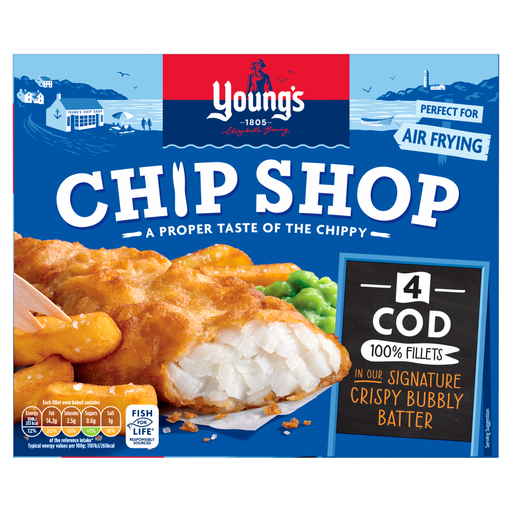 Image unavailable
A battered cod option for a coated-fish supper rather than a plain fillet. The product information describes oven cooking from frozen; check the pack for directions, declared wheat and mustard allergens, and its warning that some bones may remain.
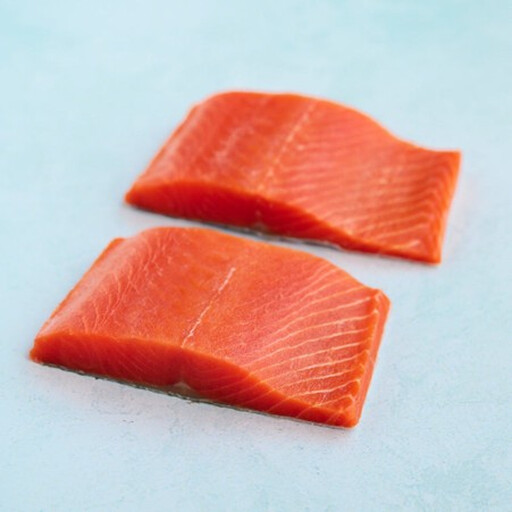 Image unavailable
These sockeye salmon steaks offer an oily-fish option in a 220g pack. They are skin-on, and the product information recommends thawing before cooking and warns that some bones may remain; follow the pack directions.
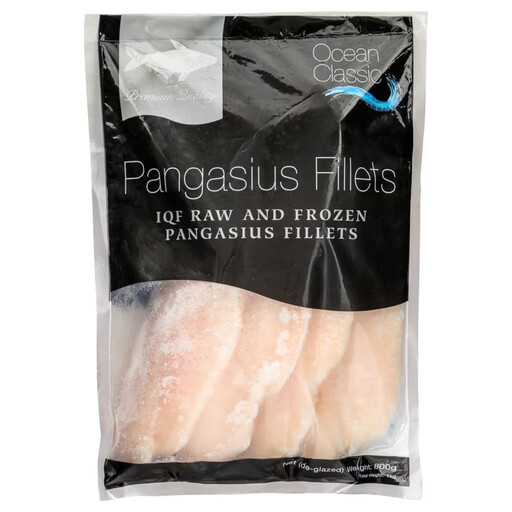 Image unavailable
A plain basa fillet option when you want to choose your own seasoning and accompaniments. The name distinguishes 1kg total weight from 800g net; check the pack’s weight details and refrigerator-thawing directions when planning portions.
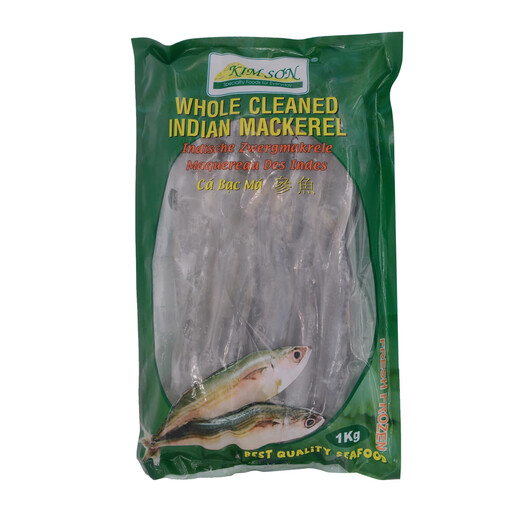 Image unavailable
Indian mackerel is another oily-fish choice for meals planned from the freezer. This is raw fish that must be thoroughly cooked; read the pack for handling, preparation and any bone information before serving.
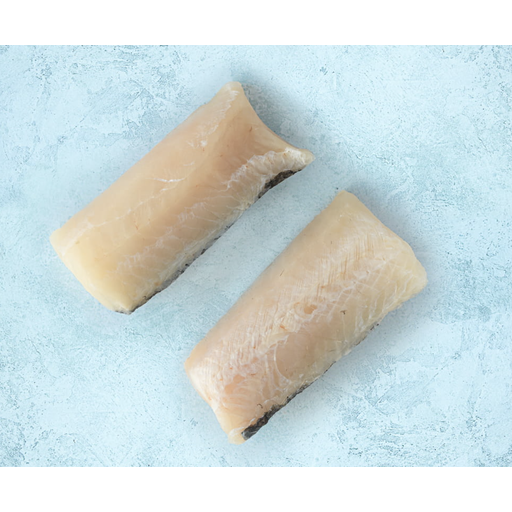 Image unavailable
Hake loin steaks offer a named cut for a plain-fish meal; the product information describes a two-steak pack. Check the pack for storage, thawing and cooking directions and any bone warning. It also advises checking for possible crustacean and mollusc cross-contact.
Yes. Frozen fish can give you white-fish and oily-fish choices to plan around. NHS guidance recommends at least two portions of fish a week, including one portion of oily fish; identify the species and check how the particular product is prepared.
No. A named cut and a prepared, coated product are different choices even when both have a premium range name. Compare the species, cut, ingredients, fish content where declared, portion size and cooking method.
Check the storage and cooking directions, allergens, portion count and any bone warning. The Food Standards Agency notes that older adults are more susceptible to foodborne illness, so use the directions for the specific product and cooking appliance.
No. Breaded fish fingers contain a coating, so check their ingredients and allergens as well as the fish inside. Sainsbury’s describes its Taste the Difference chunky haddock fillet fish fingers as haddock in breadcrumb; that is a different format from a plain haddock fillet.
No. Young’s says its Natural Fish Fillets can cook straight from frozen, but that direction should not be applied to another product. Read the individual pack for thawing, appliance settings and cooking steps, and check that the fish is piping hot before serving.