Parents offering fish to a hesitant child
A small serving alongside familiar foods leaves room for the child to try it without pressure. NHS guidance advises offering small portions and not forcing a child to eat food they reject.


For a first fish meal, a two-piece pack makes it easier to offer a small serving without committing to several repeat meals; a four-piece pack makes more sense when the household expects to use the remaining portions. Choose coated fish if a familiar crisp texture is useful, or plain fish if you want to decide how to season and serve it. Check the current label and cooking directions either way, and follow NHS advice not to force a child to eat a rejected food.
A small serving alongside familiar foods leaves room for the child to try it without pressure. NHS guidance advises offering small portions and not forcing a child to eat food they reject.
Two distinct fillets can be used for one adult and one child, or for separate meals. A four-piece pack is worth considering when the remaining portions have a place in later meals and can be stored as directed.
Plain fillets and coated portions are different choices. Check the current ingredients and allergen label, as well as any bone warning and the cooking instructions, before serving fish to a child.
Start with the number of portions the household will use, then compare texture, ingredients and preparation for the person eating them.
| Priority | What to check | Your needs |
|---|---|---|
| Portion format | Count the separate fillets or pieces, not just the pack weight. Check whether unused portions can remain frozen under the pack's storage directions. | I want to offer a small amount without planning several meals around a food the child has not tried. NHS guidance advises small portions and not forcing a rejected food. |
| Texture and coating | Compare plain fish with battered or breaded fish. Check the fish species, coating ingredients and nutrition information on the current pack. | A familiar crisp coating might help me choose what to offer first; alternatively, I may want plain fish so I can choose the seasoning and sides. |
| Allergens and bones | Read the current allergen declaration, particularly for coated products, and check for a bone warning. Fish products described as fillets may still carry one. | Before serving a child, I need to know whether the ingredients suit the household and to check the cooked portion for bones. |
| Cooking and storage | Check whether the fish must be thawed or can be cooked from frozen, which appliances the directions cover, and how the pack says to store unused portions. | The preparation needs to fit my kitchen and the time available; I also need a workable plan for any fish left in the pack. |
If the child rejects an unfamiliar product, the household still needs a way to use the other portions.
For a first offering, consider two distinct fillets or a product others in the household will eat. Offer the child a small amount without pressure, in line with NHS guidance.
Batter or breadcrumbs change the texture and ingredients. A coated product may suit someone who accepts crisp foods but not a household avoiding one of its declared allergens.
Compare the species, coating, allergen declaration, salt information and cooking directions rather than choosing by piece count alone.
Birds Eye, Sainsbury's and M&S product information warns that bones may remain in some fish products.
Check each cooked portion before serving it to a young child and supervise eating; follow the cooking directions on the pack.
A countable pack is useful only if its ingredients, preparation and storage directions also work for the household. Asda notes that online product and allergy information can change.
Use the listing to make a shortlist, then check the pack received for allergens, cooking and storage instructions before serving.
These examples show the pack formats worth comparing; a brand name alone does not establish that a particular product suits a child.
Birds Eye lists two-fillet battered fish, a format to consider when distinct coated portions suit the meal.
Young's has coated fish in both two-fillet and four-fillet formats.
Tesco's frozen range includes plain fish as well as coated options.
Sainsbury's lists a 300 g, two-fillet beer-battered cod pack.
Asda lists a 400 g pack of four battered fish portions for households planning to use several pieces.
M&S lists frozen British hake fillets in a 280 g pack for a plain-fish meal.
These options include two-piece plain fish and countable coated portions. The larger packs are more relevant when the household expects to use fish across several meals.
 No image available
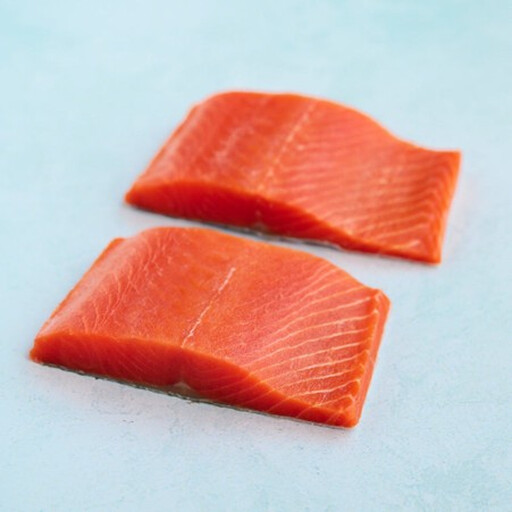
Two skin-on salmon steaks give the household separate portions of plain fish in a 220 g pack. The listing calls for thawing before cooking; check the pack directions and whether skin-on fish suits the eater. It also identifies possible crustacean and mollusc cross-contact, so check the current allergen label.
 No image available
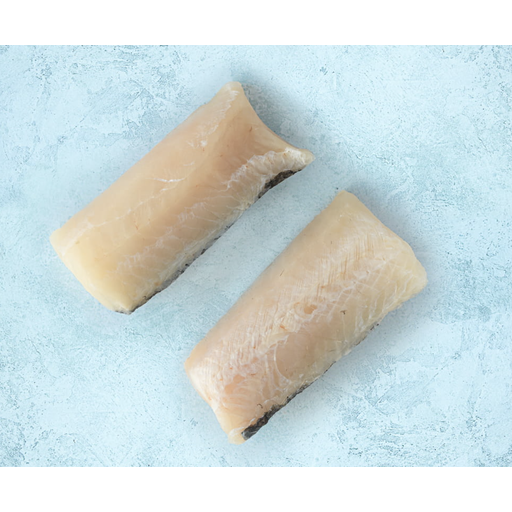
Two hake loin steaks in a 280 g pack offer separate servings without a batter coating. This is a plain-fish choice rather than a substitute for a familiar crisp texture; check the pack's cooking and frozen-storage directions before preparing it.
 No image available
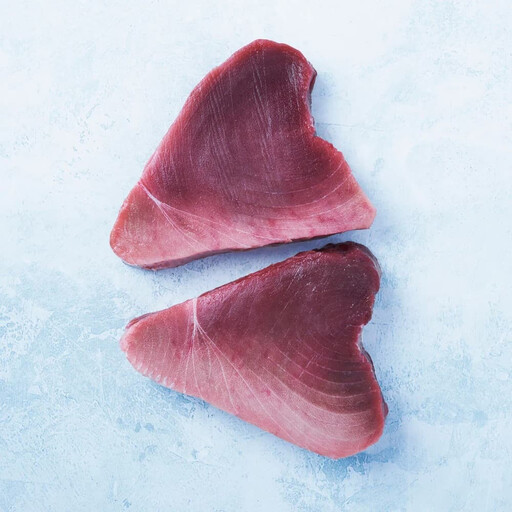
The pack contains two individually portioned 130 g tuna steaks. Its listing also describes raw and rare preparations; do not treat those directions as guidance for serving a child. Check appropriate food-safety guidance and the pack's cooking directions before choosing a preparation. The listing identifies possible crustacean and mollusc cross-contact.
 No image available
Ten separately countable fish fingers allow a small serving from a larger pack, provided the household will use the rest. The listing describes breadcrumb-coated Alaska pollock, identifies fish and wheat allergens, and warns that bones may remain. Follow its directions for cooking until piping hot and check the current pack label.
 No image available
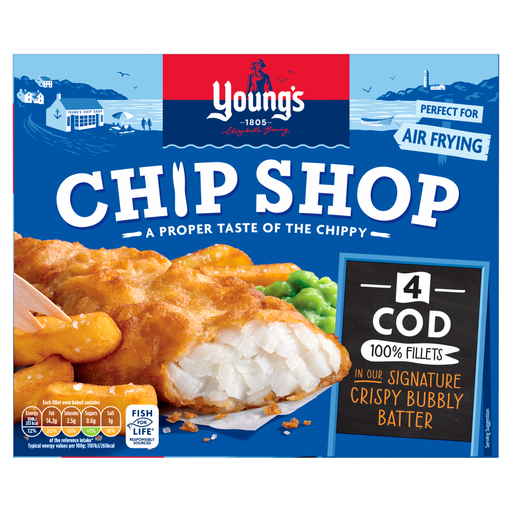
Four battered cod fillets in a 400 g pack suit a plan for repeat meals better than a one-off trial. The listing identifies fish, wheat, mustard and milk allergens and warns that bones may remain. Check the current label, keep unused portions as directed and follow the oven instructions.
A two-piece pack is a practical starting point when the fish is unfamiliar and only a small serving is planned. Consider four pieces when others will eat them or you expect to use the remaining portions later under the pack's storage directions. NHS guidance advises offering a child small portions without forcing them to eat.
A battered or breaded portion is a different texture to plain fish, so it may be the more relevant product to offer if the child already accepts crisp coatings. Check the particular product's ingredients, allergens, nutrition information and cooking method rather than assuming all coated fish is alike.
No. Birds Eye, Sainsbury's and M&S product pages warn that bones may remain in some fillets despite efforts to remove them. Check cooked fish before serving it to a young child and follow the pack's cooking instructions.
Check the current pack for fish and any coating ingredients that matter to your household, including cereals containing gluten, milk or mustard where declared. Coated products differ: Sainsbury's lists wheat-based ingredients for its beer-battered cod, while Asda warns that online ingredient and allergy information can change.