A premium label alone does not tell you whether a fussy eater will accept frozen fish. Choose a mild, uncoated fillet if they are comfortable with visible, flaky fish and you want to control the seasoning; a familiar coated format may be a more approachable starting point if texture is the obstacle. Leave strongly seasoned options for someone who already accepts fish, and check the exact pack for bones, allergens and cooking directions.
Who is this choice for?
Parents introducing fish to a texture-sensitive child
A mild flavour, familiar side and manageable portion may make the meal easier to approach. Check the coating, seasoning and bone warning on the particular pack rather than assuming that a plain or coated product will be accepted.
Families moving beyond fish fingers
If familiar coated fish is already accepted, compare it with lightly coated or uncoated fillets. The visible fish texture, added flavours and cooking method may matter more to this choice than a premium label.
Households checking allergens
Read the current ingredients and allergen information for every coated fish product. The fish itself and ingredients in the coating or seasoning can each matter; a previous purchase is not a substitute for the current label.
What should you check before choosing?
Decide which fish texture and level of seasoning are likely to be welcome, then compare the pack details that affect serving and preparation.
| Priority |
What to check |
Your needs |
| Flavour and coating |
Check whether the fish is plain, breaded, battered or seasoned. Read the named flavourings rather than relying on a range name. |
I would rather season mild fish myself, or choose a familiar crisp coating if exposed fish is the sticking point. Lemon, pepper or sauce may be a separate hurdle. |
| Fish format |
Distinguish a natural fillet from formed fish pieces. Check for skin and read the exact bone warning, including on products described as boneless. |
Visible skin or large flakes might put this eater off. I also want to check portions carefully before serving someone who is wary of bones. |
| Ingredients and allergens |
Read the current ingredients and allergen statements for the fish, coating and seasoning. Where disclosed, compare fish content on the same basis. |
If an ingredient must be avoided, I need the exact current label—not an assumption that all breaded fish, or all products in a range, use the same recipe. |
| Preparation and pack size |
Follow that product’s frozen-storage and cooking directions. Check the net quantity and whether the pack size suits the portions you intend to serve. |
I want a preparation method I can follow and a pack size that makes sense when the eater may only try a small portion. |
Mistakes to avoid
-
Assuming a premium label guarantees acceptance
A plain fillet exposes the fish’s texture, while a heavily seasoned product adds flavours that may be unwelcome. Neither feature tells you on its own what a particular eater will accept.
Choose the format first: uncoated fish for someone comfortable with visible flakes, familiar coating when that surface helps, or added seasoning when fish is already accepted.
-
Treating coated fish like a plain fillet
Coating changes both the ingredients and the proportion of fish in a product. Birds Eye lists Alaska pollock at 51% in its 2 Fish Fillets in Breadcrumbs and identifies wheat and mustard, with possible milk.
Compare the exact ingredients, disclosed fish content and allergen statements on the products you are considering.
-
Assuming a fillet or formed portion cannot contain bones
A boneless description or uniform-looking portion is not a reason to skip the current pack’s bone warning.
Read that warning and check portions as appropriate before serving, particularly to a child or someone who is wary of bones.
-
Relying on an old allergen listing
Recipes and affected batches can change. Young’s Seafood published a December 2025 recall notice for certain Gastro Lemon & Pepper packs because mustard was not declared.
For someone avoiding mustard or another allergen, check the physical pack and current Food Standards Agency or brand recall information before serving.
Brand and retailer references
M&S
M&S offers frozen fish in plain and prepared formats. Its British Hake Fillets and Collection Norwegian Halibut Fillets illustrate two different uncoated textures.
- M&S describes the hake as mild, slightly sweet, firm and flaky; it describes the halibut as skin-on, with a delicate flavour and larger flakes.
- Uncoated fish leaves its appearance and texture visible. Check the current pack’s bone warning and cooking instructions.
Young’s
Young’s Gastro range includes coated and seasoned fish formats for eaters who are open to added flavours.
- Formats in the range include lightly dusted, breaded, battered and marinated fish.
- Check the exact flavour and allergens. Young’s published a recall notice in December 2025 concerning undeclared mustard in certain Gastro Lemon & Pepper packs.
Birds Eye
Birds Eye’s coated fish provides a familiar-format alternative to a visible, uncoated fillet.
- Its 2 Fish Fillets in Breadcrumbs product lists Alaska pollock at 51%.
- That product contains wheat and mustard and may contain milk. Check the current pack for the relevant ingredients and bone warning.
Sainsbury’s
Sainsbury’s frozen-fish listings include plain fillets and seasoned or coated products, allowing a comparison of formats within one retailer’s range.
- Its category listing includes skinless and boneless cod fillets alongside Young’s Gastro breaded lemon-and-pepper fillets.
- The formats have different flavour and texture considerations; check each product’s current label.
Tesco
Tesco’s frozen coated-fish listings include own-label and Young’s products with different seasonings.
- Its listing includes lemon-and-parsley sole and Young’s Gastro lemon-and-pepper fillets.
- A familiar coating does not mean a familiar flavour; read the exact product name and ingredients.
Frozen fish options on Joybuy
These options cover familiar coated portions and uncoated fillets. Compare their format with the eater’s preferences, then check the current pack before choosing.
 No image available
Birds Eye 10 Omega 3 Fish Fingers 280g
The fish-finger format offers a familiar coated portion when visible flakes are the main concern. Check the current pack’s wheat allergen and bone warning before serving.
View on Joybuy
 No image available
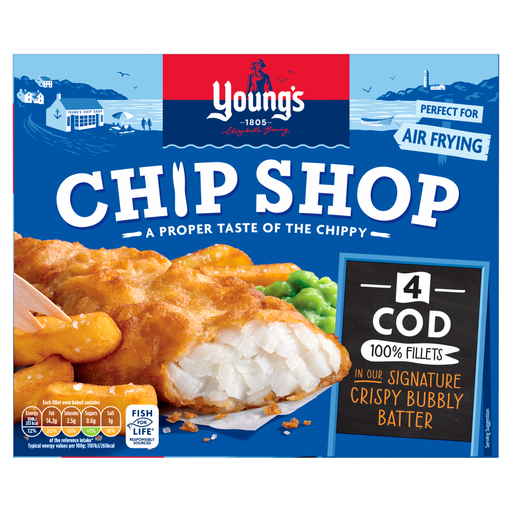
Young’s Chip Shop 4 Cod Fillets 400g
These battered cod portions are another coated format to consider if a crisp surface is welcome. The product information identifies wheat and mustard; check the current pack for allergens, bones and instructions for your cooking method.
View on Joybuy
 No image available
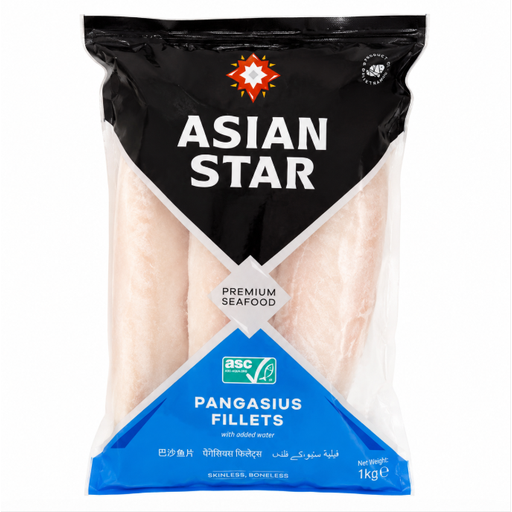
Asian Star White Pangasius Fillet 1kg (800g net)
An uncoated fillet is an option when the eater accepts visible fish and you want to choose the seasoning. The listed pack is 1kg with 800g net fish weight; check the current pack for bone guidance and cooking instructions.
View on Joybuy
 No image available
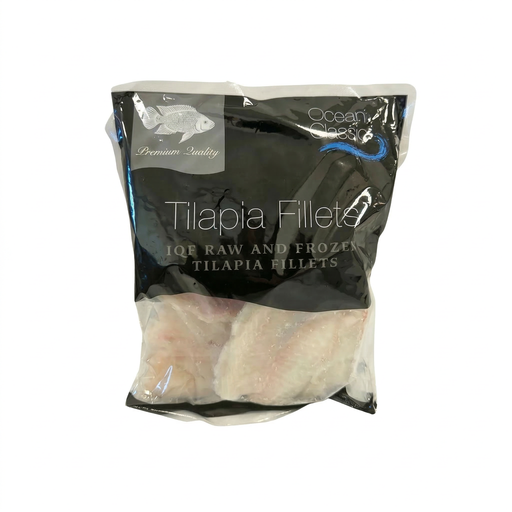
Ocean Classic Tilapia IQF Fillets 1kg (800g net)
These uncoated tilapia fillets suit a meal where you want to choose the added flavours yourself. Check the current pack for skin and bone information, and follow its thawing and cooking directions.
View on Joybuy
Frequently asked questions
Is premium frozen fish automatically more suitable for a fussy eater?
No. An uncoated fillet makes sense if the eater accepts visible fish and you want control over seasoning; a familiar coating may be easier to approach if exposed flakes are the obstacle. Compare flavour, texture, skin, bones and ingredients on the exact product.
Can I assume frozen fish fillets are boneless?
No. Read the current pack’s bone information even when a product is described as boneless or the portion looks uniform, and check it as appropriate before serving.
How should I cook frozen fish?
Follow the instructions on the exact pack: products differ in whether they should be cooked from frozen or thawed first, and in which cooking methods have directions. Raw fish must be cooked before serving.
What allergen information should I check on UK prepacked frozen fish?
Check the current ingredients list and any precautionary allergen statement for both the fish and added coating or seasoning. GOV.UK says that when a prepacked food contains any of the 14 regulated allergens as ingredients, they must be clearly labelled within the ingredients list; a product name alone is not enough to establish its allergen profile.


