First-time freezer stockers
Plain fillets leave room to choose different sides and seasonings. Add a coated or seasoned option if you also want a meal that takes less preparation.


For a first freezer shop, choose a plain fillet if you want to decide the seasoning and sides yourself; choose coated portions for a more prepared oven meal, or a seasoned product when its particular flavour appeals. A premium label alone does not settle the choice: check the species, cut, fish content, portions, ingredients and cooking directions on the exact pack.
The most useful starting point is the meal you expect to make, rather than the premium wording on the front of the pack.
Plain fillets leave room to choose different sides and seasonings. Add a coated or seasoned option if you also want a meal that takes less preparation.
Portioned coated fish or a seasoned fillet may suit an oven meal. Check the fish percentage, allergens and cooking directions for the particular product.
Read the species name if you want to distinguish oily fish from white fish. If sourcing matters to you, check the label on the exact pack rather than assuming a range-wide claim applies to it.
Choose the meal format first, then compare packs with a similar purpose. A plain loin, a breaded portion and a marinated steak answer different cooking needs.
| Priority | What to check | Your needs |
|---|---|---|
| Fish and cut | Check the named species, whether the fish is a loin, fillet or steak, and whether it has skin. Check whether it is plain or already seasoned. | I want fish I can use with different sauces and sides, so a plain cut suits the meals I have in mind. |
| Portions and fish content | Check pack weight and the number of pieces or servings. For coated fish, read the stated fish percentage as well as the pack weight. | For an easy shared meal, I want to know how many portions I am buying and how much of a coated product is fish. |
| Ingredients and cooking | Read the ingredient and allergen panels, particularly for coatings and marinades. Follow the exact pack’s directions for cooking from frozen or after thawing. | A prepared fillet appeals to me, but its ingredients must suit my household and its cooking method must fit the meal. |
| Oily or white fish | Check the species: NHS guidance distinguishes oily fish such as salmon and mackerel from white fish such as cod and haddock. Do not assume a premium label identifies the fish type. | If I intend to put an oily-fish option in the freezer, I need to choose by species rather than pick any frozen fish. |
| Sourcing label | Look for certification on the exact product. The Marine Stewardship Council says its ecolabel identifies seafood traceable to a fishery independently assessed against its Fisheries Standard. | I would prefer a sourcing label with a stated assessment basis, rather than relying only on general wording about a range. |
A plain cod loin, breaded haddock and seasoned fillet differ in preparation and ingredients. The label alone does not tell you which will suit the meals you plan.
Decide whether you want a flexible plain fish, a coated oven portion or a particular seasoning before comparing products within that format.
A coated product includes ingredients besides fish, while packs can also differ in species, cut and number of portions.
Check the piece count and serving information, and read the fish percentage where a product is coated.
Cod and haddock are white fish; NHS guidance identifies species including salmon and mackerel as oily fish. A premium white-fish pack does not become oily fish because of its range name.
If oily fish is part of your shopping plan, check the species printed on the pack.
Coatings and seasonings change the ingredient list. The Sainsbury’s Taste the Difference haddock and Birds Eye cod fish-finger information identify wheat, and Birds Eye warns that bones may remain.
Read the exact product’s allergens, bone warning, storage instructions and cooking method before choosing it.
These references show different fish formats to consider; the details of one product should not be assumed to apply across its whole range.
Tesco Finest includes plain frozen fish cuts such as skinless and boneless cod loins, alongside other fish and seafood formats.
This own-label range includes portioned coated fish. Its breaded chunky haddock product contains 70% haddock and is presented as two fillets.
M&S lists frozen fillets across several species, including hake, cod, haddock and salmon.
Young’s Gastro covers prepared formats including dusted, breaded and marinated fish, as well as fish cakes and bakes.
Birds Eye offers familiar frozen-fish formats such as cod fish fingers and breaded fillets.
Asda Extra Special Icelandic Cod Loins are a named product to check if plain cod is on your shopping list.
These options cover plain fish, a seasoned steak and coated cod for different first-shop meals. Their inclusion does not make every product part of a premium range; use the pack details to decide which format suits you.
 No image available
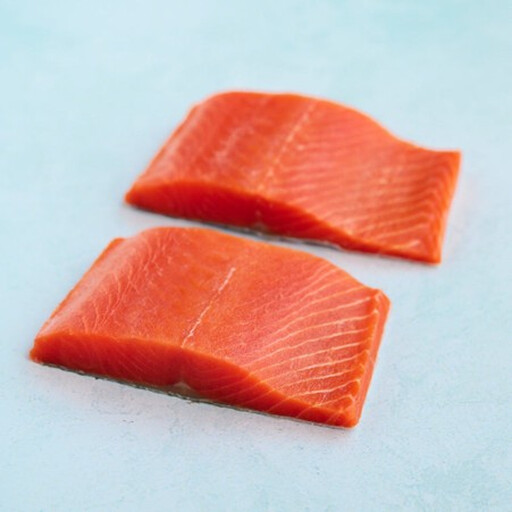
A salmon option for choosing by species rather than by coating or seasoning. The listing describes two skin-on steaks; check that this cut suits your plans. It also states that the product may contain crustaceans or molluscs.
 No image available
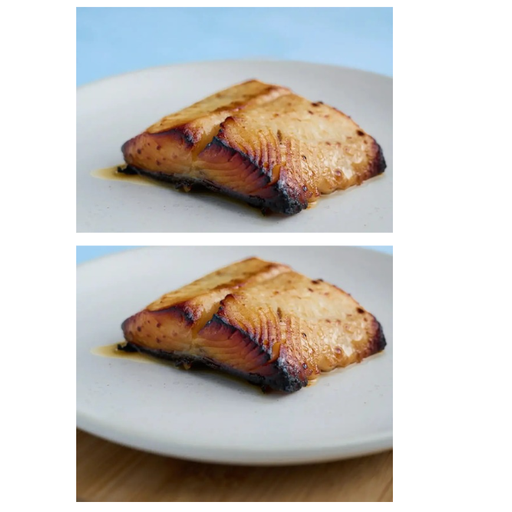
A pre-seasoned choice if you want miso flavour rather than a plain fish cut. Its seasoning leaves less scope to choose your own flavours. The listing identifies soy-containing miso and warns of possible traces of crustaceans, molluscs and soy; check the pack if these allergens matter to you.
 No image available
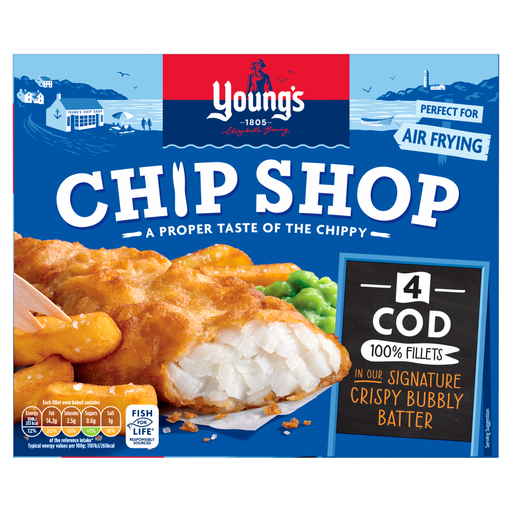
Four battered cod fillets offer a coated option rather than a plain cut. The listing identifies wheat and mustard allergens and warns that bones may remain. Follow the cooking instructions on the pack.
 No image available
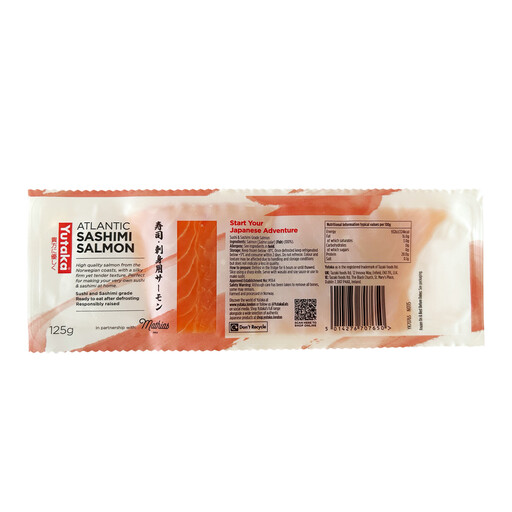
A smaller salmon pack presented for Japanese-style dishes. Its name is not, by itself, a raw-consumption safety instruction: check the pack’s handling and serving guidance before considering it for an uncooked dish. The listing warns that bones may remain.
 No image available
A plain-fish format for meals where you want to choose the seasoning. The listing describes 800g of fillets including ice, so check the pack if the fish quantity excluding ice matters to your meal plan. Its directions call for refrigerator thawing before cooking and say not to refreeze after thawing.
Start with the species that fits the meals you intend to make: cod and haddock are white fish, while NHS guidance identifies salmon and mackerel as oily fish. If you specifically want an oily-fish option, check the species name rather than the premium label.
They can be if you want a portioned, prepared oven meal. Check the exact pack’s fish percentage, ingredients, allergens and cooking directions; Sainsbury’s Taste the Difference breaded chunky haddock, for example, identifies 70% haddock and contains wheat.
Read the individual pack before buying or cooking. The cited Sainsbury’s haddock and Birds Eye cod fish fingers identify wheat, while the Birds Eye product information warns that bones may remain.
Check whether a specific certification appears on the product you are buying. The Marine Stewardship Council says seafood carrying its ecolabel is traceable to a fishery independently assessed against its Fisheries Standard; a general retailer sourcing statement is not the same label.