Shoppers looking for an uncoated fillet
If carbohydrate is a key part of your meal plan, the ingredient list and per-100g nutrition panel help distinguish plain fish from coated products.


For a keto-friendly frozen-fish meal, start with an uncoated fillet and check the carbohydrate value per 100g on the pack. Coatings and prepared components can change that value: ASDA Groceries lists 0g carbohydrate per 100g for its Just Essentials white fish, while Tesco Groceries lists 21g for a Birds Eye breaded cod product; check each figure’s serving and preparation basis before comparing. Plain salmon is another option when you want fat from the fish itself, but its ingredients and nutrition still need checking.
If carbohydrate is a key part of your meal plan, the ingredient list and per-100g nutrition panel help distinguish plain fish from coated products.
The type of fish matters when you want fat from the fish itself rather than adding it elsewhere in the meal. Check the figures for the exact fillet and preparation method.
Cooking-from-frozen directions, defrosting instructions and bone warnings can affect which pack fits the way you intend to prepare and serve it.
Choose the fish format first, then compare the nutrition panel and cooking instructions for the exact product.
| Priority | What to check | Your needs |
|---|---|---|
| Carbohydrate and ingredients | Read carbohydrate per 100g and check for breadcrumbs, batter, starch, sauces or glaze. ASDA Groceries lists 0g per 100g for its Just Essentials white fish; Tesco Groceries lists 21g for Birds Eye breaded cod, on a different stated serving basis. | I want a fish base that fits my chosen carbohydrate allowance, without mistaking a coated fillet for plain fish. |
| Fish and nutrition basis | Compare the fat and carbohydrate figures for the exact white-fish or salmon product. Check whether values describe fish as sold or after cooking before making a direct comparison. | If I want fat from the fish itself, plain salmon is worth considering; otherwise I can plan the rest of the meal around a white-fish fillet. |
| Preparation and storage | Check whether the pack permits cooking from frozen or requires defrosting. Follow its storage, cooking and post-defrost directions, and look for bone warnings. | A freezer meal needs to work with the time and cooking equipment I have, as well as the way I plan to serve the fish. |
A coating changes the ingredient list and can change the carbohydrate figure. Tesco Groceries lists 21g carbohydrate for its Birds Eye breaded cod product, while ASDA Groceries lists 0g per 100g for its Just Essentials white fish; their stated serving bases should not be treated as identical.
Check the ingredients and carbohydrate row on each pack. Assess breaded, battered, dusted, sauced and marinated fish as separate products.
A value for fish as sold is not automatically comparable with one given after oven cooking or pan frying.
Read the basis printed beside each nutrition table and use like-for-like figures for a direct comparison.
Storage and post-defrost instructions differ by product. Tesco Groceries states that its checked skin-on cod should be used within 24 hours of defrosting and not refrozen.
Follow the directions on the fish you buy, cook it as instructed and check for bones before serving.
A brand name does not establish the carbohydrate content of every fish product in its range; compare individual packs.
Its frozen range includes plain fish and prepared products.
Its own-label range includes plain frozen haddock portions.
Its frozen range includes plain white fish and salmon alongside coated fish.
Its frozen-fish range includes breaded and battered fillets.
Its Natural Fish Fillets range includes cod and Pacific pink salmon, while its wider range includes prepared fish.
Its frozen-fillet listing includes salmon and cod alongside lightly dusted fish.
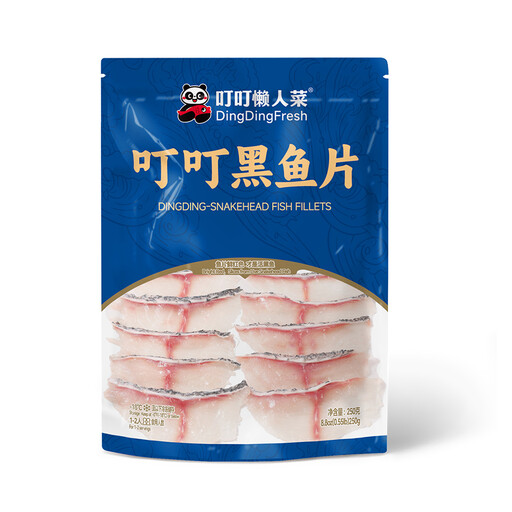
These options include sliced fish, uncoated-style fillets and a seasoned fish product. Check each current pack’s ingredients, carbohydrate value and preparation directions against your meal plan.
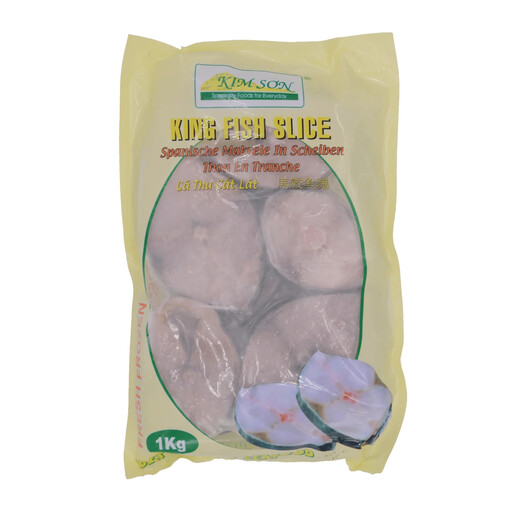 No image available
For a sliced-fish meal, check the pack’s carbohydrate and ingredient information. This is raw fish: cook it thoroughly and check for small bones before serving.
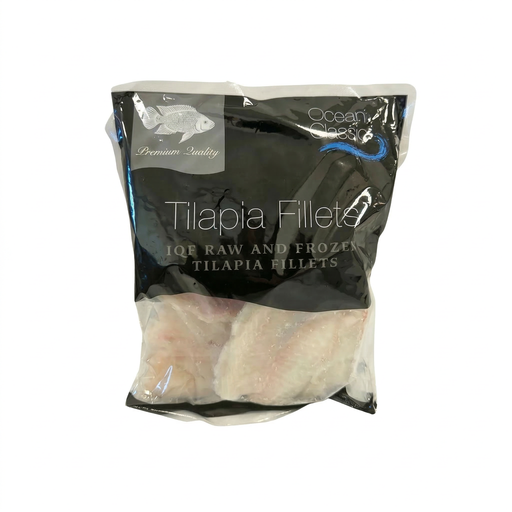 No image available
For a tilapia-fillet meal, compare the pack’s per-100g carbohydrate figure on its stated basis. Follow its instructions to thaw before cooking and cook the fish thoroughly.
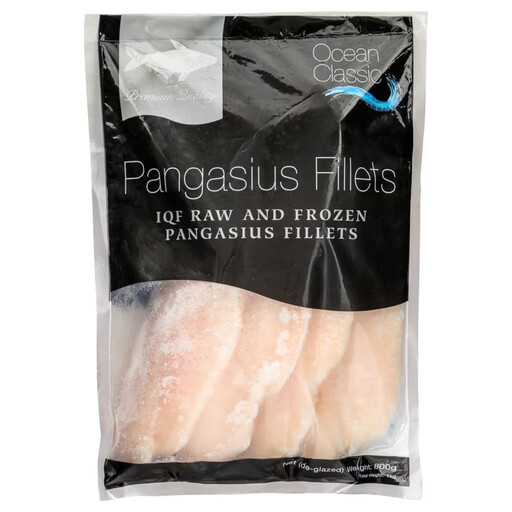 No image available
For skinless, boneless fillets, note the stated net weight as well as the total weight. Check the full ingredient list and the basis of the nutrition figures before comparing packs; follow the defrosting and cooking directions.
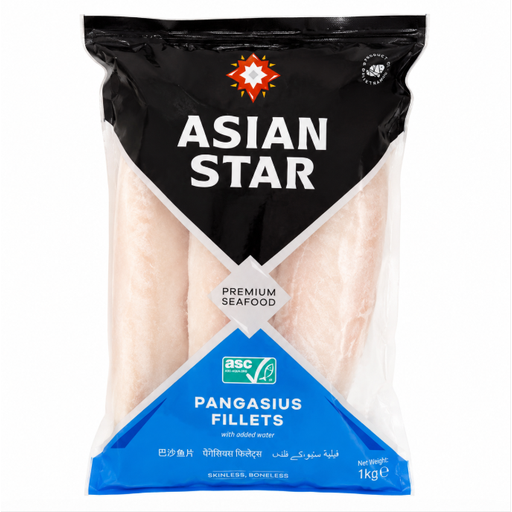 No image available
If choosing pangasius as a white-fish base, compare its net weight and current carbohydrate declaration with other packs. Check the ingredient list, salt figure and nutrition-table basis for this exact product.
 No image available
These seasoned fillets need a different check from plain fish: compare the carbohydrate figure with your meal allowance and read the seasoning ingredients. Confirm the pack quantity and cook thoroughly as instructed.
No. Check the exact product’s carbohydrate value and ingredients rather than relying on the word ‘fish’. ASDA Groceries lists 0g carbohydrate per 100g for its checked plain white fish, while Tesco Groceries lists 21g for a Birds Eye breaded cod product; the stated serving bases need checking before a direct comparison.
Choose according to the role the fish will play in your meal and the figures on the exact pack. A plain white-fish fillet can be a base for other ingredients, while plain salmon is an option if you want fat from the fish itself. Compare carbohydrate and fat values on the same preparation basis where possible.
Only when the product instructions allow it. Follow that pack’s cooking directions rather than transferring a time or method from another fillet; some products instead direct you to thaw before cooking.
Follow the directions for the product you have. For example, Tesco Groceries states that its checked skin-on cod should be used within 24 hours once defrosted and must not be refrozen. Do not apply that product-specific timeframe to every frozen fish pack.