What should you check?
Decide which fish format fits your meals, then compare the exact labels on the same preparation basis and check how much usable fish the pack contains.
| Priority | What to check | Your needs |
|---|
| Carbohydrate and coating |
Read carbohydrate per 100g and whether the figure is for fish as sold or cooked. Check ingredients for breadcrumbs, batter, dusting or sauce. |
I need the fish to fit my carbohydrate allowance, not just have a convenient cooking format. Sainsbury's basa declares less than 0.5g per 100g oven-cooked; Tesco's Birds Eye breaded cod declares 21g per 100g. |
| Fat profile |
Compare fat per 100g on each named pack; do not assume all salmon has the same value. Use the same preparation basis where possible. |
If my plan calls for a particular fat intake, the exact fish matters: Tesco Wild Salmon Fillets declare 2.2g fat per 100g, while M&S Scottish Salmon Portions declare 17.8g per 100g. |
| Usable quantity |
Check pack weight, any separately stated net weight, glazing and the number or size of portions. |
I want to know how much fish I can portion into meals, particularly when a pack distinguishes its total weight from its net weight. |
| Storage and preparation |
Follow the pack's frozen-storage, thawing, cooking and refreezing instructions for that product. |
I need a preparation method that works for my household without leaving thawed fish improperly stored. The Food Standards Agency notes that thawing followed by storage at higher temperatures can allow surviving microorganisms to grow. |
Brand and retailer references
These named ranges and packs illustrate differences worth checking; a figure for one product does not describe a brand's entire frozen-fish range.
Sainsbury's
Its Frozen Basa Fillets ASC 500g are a skinless, boneless plain-fish example.
- Sainsbury's declares less than 0.5g carbohydrate and 1.2g fat per 100g oven-cooked for this pack.
- Those values apply to the named basa fillets, not other Sainsbury's fish.
Tesco
Its frozen-fish listings include plain fillets and coated products, making the exact pack important.
- Tesco Wild Salmon Fillets 500g declare 1.1g carbohydrate and 2.2g fat per 100g.
- Do not apply the wild salmon figures to Tesco's other fish or coated products.
M&S
Scottish Salmon Portions provide another labelled plain-salmon example.
- M&S declares 0.4g carbohydrate and 17.8g fat per 100g for these portions.
- Check the particular pack and local product details before comparing it with other salmon.
Birds Eye
Its Breaded Cod Fillets illustrate a coated frozen-fish choice that can be cooked from frozen.
- The named breaded cod product has a breadcrumb coating and an air-fryer cooking method.
- Tesco's listing declares 21g carbohydrate per 100g; the product also contains wheat, fish and mustard.
Young's
Young's describes breaded and lightly dusted fish ranges.
- The range descriptions help identify coated formats before inspecting individual packs.
- Check the exact product's ingredients and carbohydrate declaration; the format name is not a nutrition value.
Asda
Asda's listing for Birds Eye Breaded Cod supplies pack-specific nutrition and allergen information.
- That listing declares 21g carbohydrate per 100g for the named product.
- The listing does not establish the carbohydrate content of other frozen fish at Asda.
Frozen fish options on Joybuy
These options include frozen fillets, fish slices and catfish. Compare each exact pack's carbohydrate declaration, ingredients and usable quantity before choosing for a keto-oriented meal.
 No image available
Ocean Classic Pangasius Skinless & Boneless IQF Fillets, 170/200g, 1kg total (800g net)
The individually quick-frozen fillet format may suit meals that call for separate portions. The title distinguishes 1kg total weight from 800g net; check the pack's usable fish weight and carbohydrate declaration for your comparison.
View on Joybuy
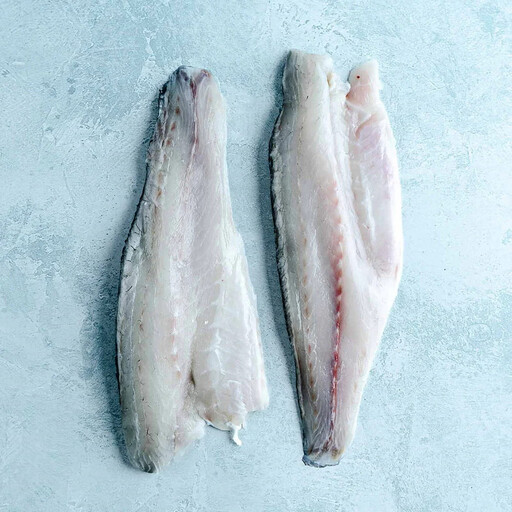 No image available
The Fish Society Mediterranean Sea Bass Fillets, 2 fillets, 240g
The two-fillet, 240g pack offers a defined quantity for planning portions. Check its current carbohydrate and salt declarations on the pack before deciding whether it fits your meal plan.
View on Joybuy
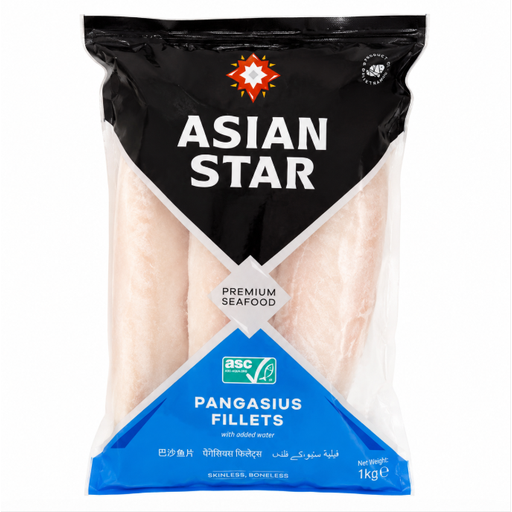 No image available
Asian Star White Pangasius Fillets, 1kg (800g net)
This pangasius pack distinguishes 1kg from 800g net, a detail to check when planning portions. Confirm the net fish weight, ingredients and carbohydrate declaration on the exact pack.
View on Joybuy
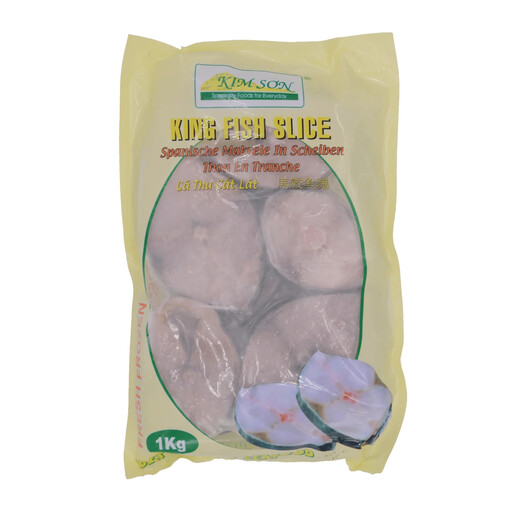 No image available
Kim Son King Fish Slices, 1kg
Choose the sliced format if it suits the way you prepare fish. Check the pack's carbohydrate declaration and whether its nutrition values refer to fish as sold or as prepared before comparing it with fillets.
View on Joybuy
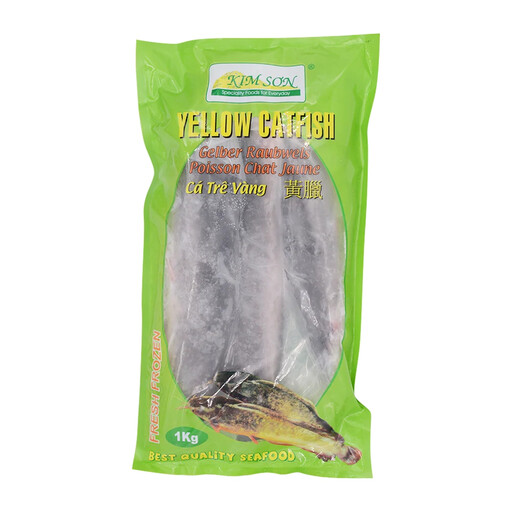 No image available
Kim Son Yellow Catfish, 1kg
The 1kg pack is an option if that quantity suits your planned meals. Check its ingredients, carbohydrate declaration and preparation basis on the exact label, then follow its storage and cooking instructions.
View on Joybuy
Frequently asked questions
Can plain frozen fish fit a keto-oriented meal plan?
It can if the exact product's carbohydrate declaration fits your plan. Sainsbury's basa declares less than 0.5g per 100g oven-cooked, Tesco Wild Salmon Fillets declare 1.1g per 100g and M&S Scottish Salmon Portions declare 0.4g per 100g. Check other packs individually rather than applying these figures to all plain fish.
Can I substitute breaded fish for plain fillets?
Not without checking the carbohydrate allowance for your meal. Tesco's Birds Eye Breaded Cod listing declares 21g carbohydrate per 100g and includes a breadcrumb coating; the named plain-fish examples have different declarations. Read the exact pack's nutrition panel and ingredients, including for products described as lightly dusted.
What makes one frozen-fish pack more useful for my meals?
Start with the ingredients and carbohydrate and fat declarations that matter to your plan, then check the usable fish weight and portion format. Where a pack gives both total and net weight, use the distinction when working out how many meals it will provide.
How should I handle fish after thawing it?
Follow the thawing, storage, cooking and refreezing instructions on that pack. The Food Standards Agency reports that thawing followed by storage at significantly higher temperatures can allow surviving microorganisms to grow; do not leave thawed fish at room temperature.
Does this advice apply to a prescribed ketogenic diet?
Use the individual plan from your dietitian or specialist team instead of general shopping comparisons. Great Ormond Street Hospital describes its ketogenic diet therapy as carefully calculated for each child according to factors including age, growth and activity.


