Weekly meal planners
Plain, named-fish fillets leave you free to choose the seasoning and dish later in the week. Check the individual pack before planning to cook from frozen: preparation directions differ.


Choose plain frozen fillets if you want to use the fish in different meals, an identified oily fish such as salmon if that is part of your weekly plan, or coated fillets for a meal built around the coating. Check the species, ingredients, portion count and bone or allergen warnings, then make sure the pack’s storage, defrosting and cooking directions fit your plans.
Plain, named-fish fillets leave you free to choose the seasoning and dish later in the week. Check the individual pack before planning to cook from frozen: preparation directions differ.
Salmon offers a different fish choice alongside white fish. The NHS’s general guidance includes an oily-fish portion in its weekly fish advice, although its advice differs for some groups.
Breaded, battered or lightly dusted fish suits a meal where the coating is part of the choice. Compare the fish species, ingredients, allergens and number of pieces rather than assuming that every pack called “fillets” contains plain fish.
Choose when: You want to decide the sauce, seasoning or dish yourself.
Allow for: The pack’s particular cooking or defrosting method, and any warning that bones may remain.
Choose when: Your weekly plan includes an identified oily fish such as salmon.
Allow for: The stated portion size and preparation method; do not treat white fish as the same choice for the NHS’s oily-fish guidance.
Choose when: You want a breaded, battered or lightly dusted fish meal.
Allow for: Ingredients beyond fish. For example, Sainsbury’s lists its Taste the Difference breaded cod loins as 70% cod with wheat-containing breadcrumb.
| Priority | What to check | Your needs |
|---|---|---|
| Fish format | Read the species and ingredient list. Distinguish a plain fillet or loin from a slice, steak or coated product; compare fish percentages only between comparable coated packs. | For meals with different sauces or seasonings, I want plain fish. If the coating is part of dinner, I’ll choose that format deliberately. |
| Weekly portions | Check the number and weight of pieces against the meals planned. Identify the species if your plan includes oily fish as well as white fish. | I’m planning how many fish meals the pack will cover, rather than assuming a large pack contains the right number of portions. |
| Preparation | Check whether the exact pack gives a from-frozen method or requires defrosting. Keep its cooking directions available until the fish is used. | Some evenings leave little time to defrost fish; on others, I can plan ahead and thaw it as the pack directs. |
| Freezer routine | Read the pack’s storage temperature, date and instructions for use after thawing. Do not assume its refreezing directions match another product’s. | I want packs that fit the freezer space and the days I expect to cook them. |
| Warnings | Read the current on-pack allergen declaration and any bone warning, including on products described as boneless. Coatings can add ingredients beyond fish. | When serving someone with an allergy, or serving children, I need to check the exact pack rather than rely on its front-of-pack name. |
A fillet can be breaded or lightly dusted. Sainsbury’s lists its Taste the Difference breaded cod loins as 70% cod with wheat-containing breadcrumb; M&S lists its lightly dusted cod as 80% cod with wheatflour.
Start with the species and ingredient list. Choose a coated pack for the meal you intend to make, not as an automatic substitute for plain fish.
Cod, haddock and pollock are white fish, while salmon is an oily fish. The NHS’s general weekly fish guidance includes one oily-fish portion; advice differs for some groups.
If your plan includes oily fish, check the named species and how many portions the pack provides.
Preparation directions vary. M&S instructs shoppers to defrost its British hake fillets in a refrigerator, use them within 24 hours and not refreeze them after thawing.
Before buying several packs, check that each one’s storage, defrosting and cooking directions fit when you expect to use it. Keep the instructions until the pack is finished.
“Boneless” is not a reason to skip a pack’s bone warning. A coating can also introduce allergens beyond fish: M&S lists wheatflour in its lightly dusted cod.
Read the current pack’s warning and allergen panel, particularly when serving children or anyone who must avoid specific ingredients.
A brand name alone does not tell you whether a pack contains plain, coated, chilled or frozen fish; compare the particular product.
Birds Eye’s frozen-fish range includes fish fingers and coated fish.
Young's separates Natural Fish Fillets from other formats in its range.
Tesco lists frozen fish fillets and coated fish in separate grocery categories.
Sainsbury's lists both plain cod loin and breaded cod-loin products under Taste the Difference.
Asda lists frozen cod fillets and Exceptional by Asda cod loins.
M&S lists frozen fish fillets as well as lightly dusted fish.
These options span plain fillets, salmon steaks, battered cod and fish sold as slices or steaks. If your meal calls for a fillet specifically, check the product format before choosing a slice or steak.
 Image unavailable
Consider these pangasius fillets when you want plain fish for different meals. The title states 1kg total weight and 800g net fish weight; check the pack’s thawing directions and any bone warning before planning portions.
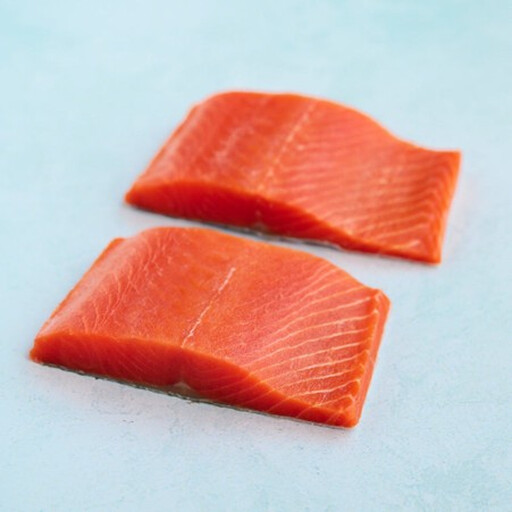 Image unavailable
These salmon fillet steaks offer an oily-fish choice for a planned meal rather than a skinless white-fish fillet. The pack is labelled 220g; check its thawing and cooking directions before deciding when to serve it.
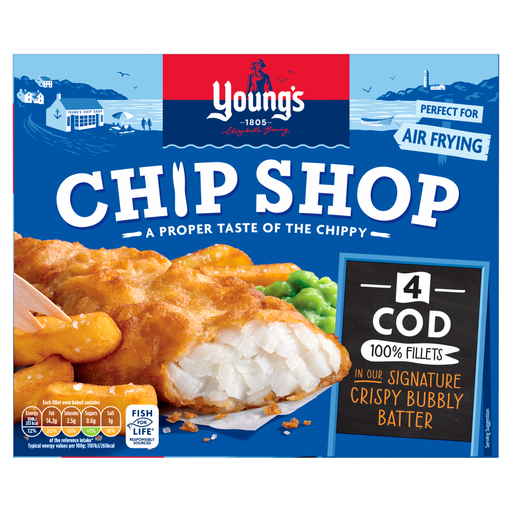 Image unavailable
Choose this battered cod format for a meal where you want the coating, rather than for a recipe calling for plain fish. The title identifies four fillets in a 400g pack; check the current allergen declaration, particularly for wheat and mustard.
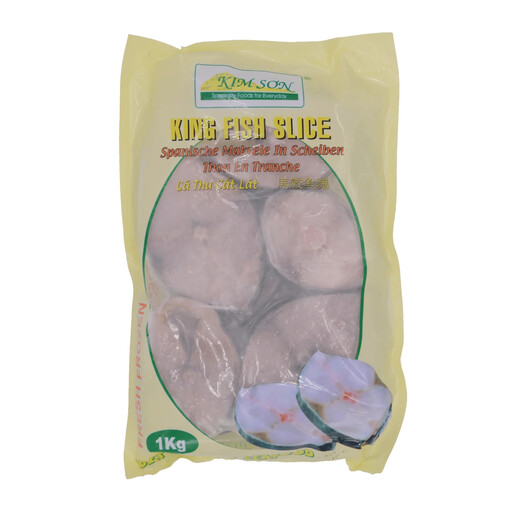 Image unavailable
This 1kg pack is an option when slices suit your planned dish; it is not labelled as a fillet pack. Small bones may be present, so check the warning and cooking directions on the pack before serving.
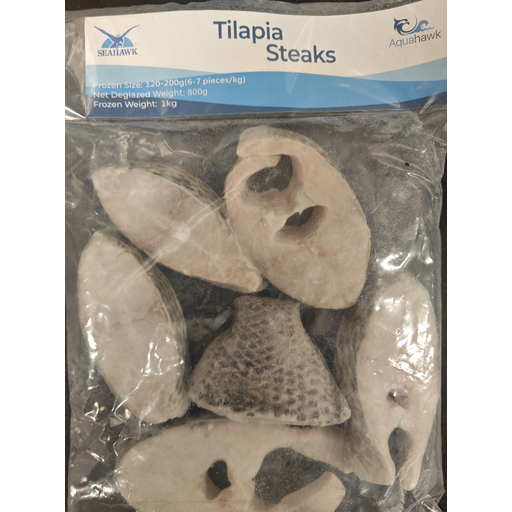 Image unavailable
Consider these tilapia steaks if that cut fits your meal plan; they are not labelled as fillets. The title states 6/7 steaks and 800g net weight. Check the pack’s ingredients, allergens, storage and cooking directions before use.
Yes, if you choose an oily-fish species for that meal rather than assuming every fish pack serves the same purpose. The NHS’s general guidance includes at least two fish portions a week, one of them oily fish; salmon is an oily-fish option. NHS advice differs for some groups, including children and people who are pregnant or breastfeeding.
Follow the instructions for the particular pack: some products give a from-frozen method, while others require defrosting. M&S instructs shoppers to defrost its British hake fillets in a refrigerator and use them within 24 hours. Check the pack before planning a meal that leaves no time for thawing.
Do not assume you can refreeze a thawed pack. M&S says not to refreeze its British hake fillets after thawing. Read the instructions on your particular product and plan when you will use it before taking it out of the freezer.
Not necessarily. Sainsbury’s lists wheat-containing breadcrumb in its Taste the Difference breaded cod loins, and M&S lists wheatflour in its lightly dusted cod. Check the current pack’s full ingredients and allergen declaration for the product you are buying.