For wild-caught frozen fish, start with the blue MSC ecolabel on the exact pack: the Marine Stewardship Council says it identifies fish from a fishery independently assessed against its environmental requirements. Plain fillets give you more control over seasoning and meal preparation; coated fish offers a ready-portioned format, but check its fish content, ingredients, allergens and cooking directions before choosing it for the weekly shop.
Who is this for?
Shoppers checking wild-fish sourcing
If an environmental sourcing claim matters to your weekly shop, look for the blue MSC ecolabel on the fish you are buying. The Marine Stewardship Council says the label applies to wild-caught seafood assessed against its requirements; a general brand statement does not identify the certification of every pack.
Households choosing between plain and coated fish
Plain fillets leave the seasoning and sides to you, while breaded fish comes with additional ingredients. Compare the ingredient and allergen lists, fish proportion and portion size on the particular packs you are considering.
Shoppers planning several freezer meals
Think about whether one steak, a pack of fillets or ready-portioned coated fish fits the meals you have in mind. Check the pack’s storage and cooking directions before adding it to a larger freezer shop.
What should you check?
Check sourcing on the individual pack first, then choose a format that fits your meals and household requirements.
| Priority |
What to check |
Your needs |
| Wild-fish sourcing |
Look for the blue MSC ecolabel on the exact pack. Check the species and whether a sourcing statement refers to this product rather than a whole range. |
I want to know what has been assessed before relying on a sustainability claim. The Marine Stewardship Council says its blue label identifies wild-caught seafood from fisheries independently assessed against its environmental requirements. |
| Meal format |
Compare plain fillets with coated portions, including pack weight, number of pieces and fish proportion. Plan what preparation each format leaves to you. |
For meals I want to season differently, plain fillets give me that choice. For a ready-portioned dinner, I would check what the coating adds: the Tesco Groceries listing for Birds Eye 4 Breaded Cod Fish Fillets 400g lists cod at 51%. |
| Ingredients and allergens |
Read the current ingredients list and allergen information, particularly when changing brand, recipe or pack size. Compare nutrition figures on the same stated portion basis. |
Coated fish needs a closer label check in my household. The Tesco Groceries listing for Birds Eye breaded cod names wheat and mustard in the ingredients and says the product may contain milk. |
| Storage and cooking |
Check the pack’s freezer-storage, defrosting and cooking instructions, as well as whether its specified method suits your equipment. |
I want portions I can store and prepare as directed. The Food Standards Agency’s review notes that thawing followed by storage at substantially warmer temperatures can allow surviving microorganisms to grow. |
Common buying mistakes
-
Taking a broad sourcing statement as a pack certification
A brand policy and a product ecolabel answer different questions. The Marine Stewardship Council’s blue label has a defined meaning for wild-caught seafood, but a statement about a wider range does not establish what appears on the fish in your basket.
Check the current pack for the relevant mark and species. If the fish is farmed, look at its product-specific sourcing information separately rather than treating MSC as a farmed-fish label.
-
Comparing pack sizes without checking the fish content
Plain fillets and coated portions are different formats, even when their total pack weights look similar. The Tesco Groceries listing for Birds Eye 4 Breaded Cod Fish Fillets 400g states that cod makes up 51% of that product.
Check pack weight, number of portions and fish percentage alongside the meals you intend to make. A coated pack’s total weight is not all fish.
-
Assuming a familiar coated product suits every household
Coating changes the ingredient list. Tesco Groceries lists wheat and mustard in its Birds Eye breaded cod listing and notes that the product may contain milk.
Read the current ingredients and allergen information for each product or recipe you buy, rather than relying on the name or a previous pack.
-
Buying more than you can store and cook as directed
Freezer capacity and the pack’s preparation instructions affect how practical a larger shop will be. The Food Standards Agency notes that thawing food and then holding it at substantially warmer temperatures can allow surviving microorganisms to grow.
Choose quantities your freezer can accommodate, and follow each pack’s storage, defrosting and cooking directions.
Brand and retailer references
These examples show why a sourcing policy or a familiar range is a starting point, not a substitute for reading the individual fish pack.
Birds Eye
A frozen-fish brand with coated products that may suit households looking for portioned meals.
- Birds Eye says that all the wild fish it sources in the UK is MSC certified.
- Check the mark and ingredients on the product itself. The Tesco Groceries listing for its 400g breaded cod fillets identifies cod as 51% of the product.
Tesco
A retailer with a listed plain frozen-cod option for shoppers who want to prepare fish in different ways.
- Tesco Groceries describes its Cod Fillets 360G as skinless, boneless cod from a fishery independently certified to the MSC standard.
- Use the listing and current pack for the particular product you choose; that cod listing does not establish the sourcing of every frozen fish product Tesco sells.
Young's
A frozen-seafood brand whose range includes natural fillets and prepared fish formats.
- Young's describes its natural fillets as suitable for cooking straight from frozen and publishes responsible-sourcing principles.
- A company sourcing policy does not establish that every individual pack carries an MSC or other certification mark. Check the product label.
Joybuy frozen fish options
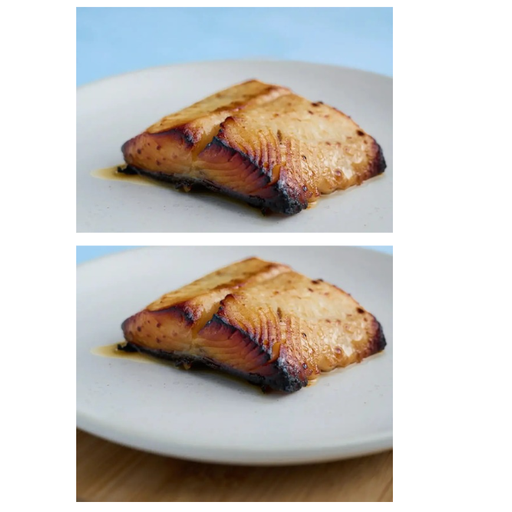
This individual wild black cod steak is a meal-planning option rather than a multi-portion plain-fillet or breaded-fish pack. Check its current pack for any certification mark you want to rely on.
 No image available
The Fish Society Wild Miso Black Cod, 1 steak, 140g
This single 140g steak suits a planned individual fish meal rather than stocking several meals from one pack. Its name identifies it as wild miso black cod; check the current ingredients, allergen information, cooking directions and any on-pack certification before buying.
View on Joybuy
Frequently asked questions
What does the blue MSC ecolabel mean on frozen fish?
The Marine Stewardship Council says its blue ecolabel identifies wild-caught seafood from fisheries independently assessed against its environmental requirements. Check for it on the exact pack; it does not tell you the product’s ingredients or whether its format suits your meals.
Does the MSC ecolabel identify farmed fish?
No. The Marine Stewardship Council describes its blue ecolabel as applying to wild-caught seafood. For farmed fish, check the specific product’s sourcing and certification information instead.
Should I choose plain fillets or breaded fish for the weekly shop?
Choose plain fillets if you want to vary the seasoning and preparation across meals; choose a coated format if ready-portioned fish better fits your plans. Check the coated product’s fish percentage and ingredient list: Tesco Groceries lists its Birds Eye 4 Breaded Cod Fish Fillets 400g at 51% cod, with wheat and mustard among the ingredients.
Where should I check allergens on prepacked frozen fish?
Read the current pack’s ingredients and allergen information. GOV.UK says that when prepacked food contains any of the 14 regulated allergens, they must be clearly labelled within the ingredients list; coatings and recipes can differ between fish products.
Can I defrost frozen fish and put it back in the freezer?
Follow the storage and defrosting instructions on that product’s pack rather than assuming all frozen fish has the same directions. The Food Standards Agency notes that thawing followed by storage at substantially warmer temperatures can allow surviving microorganisms to grow, so plan how much you need to defrost.


