Shoppers comparing what a pack contains
Plain fillets and coated portions serve different roles. Check the net fish weight or fish percentage and the number of portions before treating packs of similar overall weight as equivalent.


Choose plain frozen fillets if you want to season the fish yourself and serve it with your own roast vegetables and sauce. Coated fillets offer a different, crisp centrepiece, while fish fingers suit a more informal meal; compare the fish content, usable pack weight and portions within each format, then follow the exact pack’s cooking instructions.
The useful distinction is whether you want to build the fish course yourself or serve a prepared portion alongside the roast.
Plain fillets and coated portions serve different roles. Check the net fish weight or fish percentage and the number of portions before treating packs of similar overall weight as equivalent.
Look for cooking instructions that fit around the potatoes and vegetables. Young's describes its natural Atlantic cod fillets as ready in 30 minutes, but another fish product may need a different method or timing.
Plain white-fish fillets leave the choice of herbs, lemon and sauce to you. Check the individual pack for thawing, cooking and bone information rather than assuming all fillets can be prepared alike.
Choose the serving format first. Then check how much fish the pack contains and whether its preparation fits the rest of the meal.
Choose when: You want to season the fish and pair it with your own roast sides and sauce.
Allow for: Preparation varies by product; check whether it must be thawed and whether bones may remain.
Choose when: You want a portioned fish centrepiece with a coating.
Allow for: Coating contributes to pack weight, and ingredients and cooking directions differ between products.
Choose when: Smaller portions suit an informal family meal better than a fillet-style centrepiece.
Allow for: Their portion shape and coating make them a different serving format from plain fillets.
| Priority | What to check | Your needs |
|---|---|---|
| Serving format | Check whether the pack contains plain fillets, coated fillets, steaks or fish fingers; count the portions needed for the table. | I want a fish centrepiece that suits the way I’m serving the potatoes, vegetables and sauce. |
| Fish and pack weight | For coated products, read the fish percentage. For glazed or individually frozen fillets, distinguish the stated net quantity from the total pack weight. | If two packs have similar weights, I want to know what each contains before choosing between them. |
| Oven planning | Check the exact pack’s cooking method, temperature, time and whether thawing is required. Make room for the fish alongside the roast sides. | The fish needs to fit my oven schedule without relying on another product’s instructions. |
| Ingredients and handling | Read the ingredient and allergen panel; check for bone warnings and whether the fish is raw and must be cooked. | When serving other people, I need to check the particular pack against their dietary requirements and plan its preparation safely. |
| Sourcing information | Look for species and any sourcing statement on the specific product rather than assuming it applies across a range. | If sourcing matters to my choice, I want information about the fish I’m actually buying. |
Breadcrumb, batter or ice glaze can affect what the stated weight represents. Sainsbury's lists its Birds Eye battered cod product as 51% cod.
Read the fish percentage on coated products and the net-weight information on glazed fillets. Compare portions of a similar format before deciding what suits the meal.
A plain fillet that needs thawing cannot simply be given the same place in the oven schedule as a product labelled for cooking from frozen.
Check the chosen pack’s method and timing before coordinating the fish with potatoes and vegetables.
Coated fish can contain cereals as well as fish. Marks & Spencer states that its Wild Icelandic Cod Fillets are raw, must be cooked and may contain bones.
Read the current allergen and handling information on the exact pack, particularly when cooking for someone with dietary restrictions.
These examples show different fish formats; the details of one product should not be assumed to apply to every item bearing the same brand.
Tesco Groceries lists plain frozen basa and hake fillets, giving shoppers two white-fish species to consider for a self-seasoned roast course.
Sainsbury's own-label Alaska pollock fish fingers provide smaller breaded portions for a less formal fish meal.
Birds Eye offers coated cod formats; its breaded-cod page suggests serving the fish with roasted new potatoes and green vegetables.
Young's has both natural Atlantic cod fillets and a separate beer-battered Alaska pollock product, so the format matters more than the brand name alone.
M&S Wild Icelandic Cod Fillets are a plain-fish reference for a roast course built around your own accompaniments.
These options cover plain fillets or steaks to season yourself and one coated cod pack for a roast-style meal. Check each product’s preparation directions before planning the oven schedule.
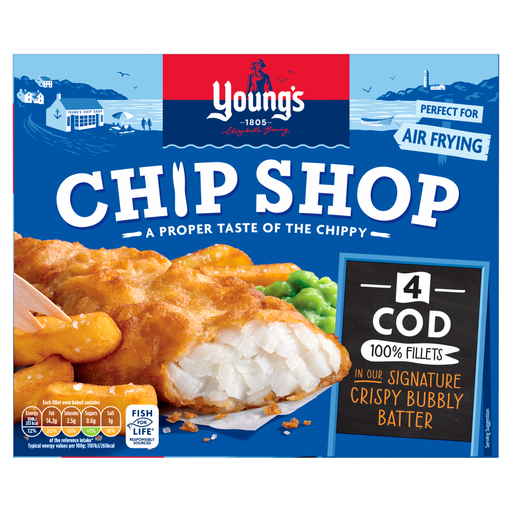 Image unavailable
Four cod fillets offer separate portions for a roast-style meal. Check this coated product’s cooking directions, ingredients and bone warning on the pack before serving.
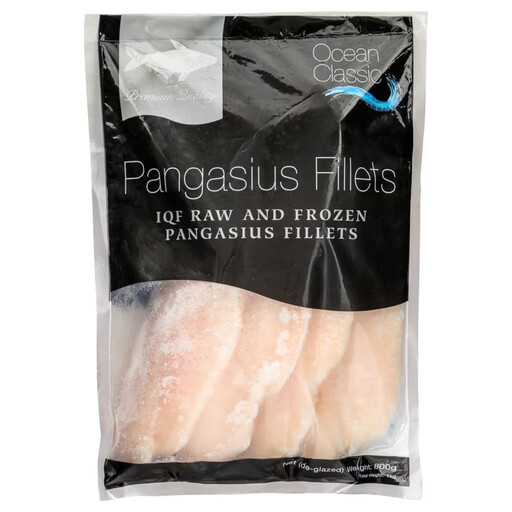 Image unavailable
These plain fillets leave the seasoning and sauce to you. The title distinguishes a 1kg total weight from 800g net; follow this product’s refrigerator-thawing directions and check its cooking instructions when planning the meal.
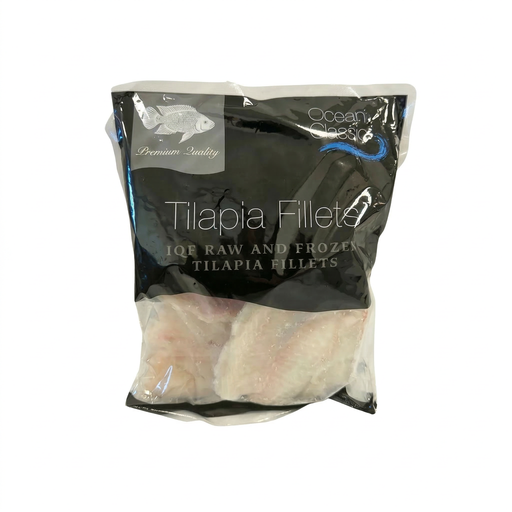 Image unavailable
Plain tilapia fillets give you control over the roast’s seasoning and accompaniments. The stated net weight is 800g; follow the product’s thaw-before-cooking guidance and check the pack for the cooking method and timing.
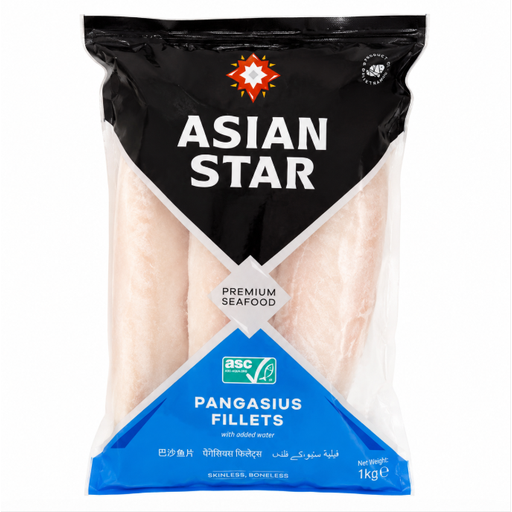 Image unavailable
This plain white-fish option can be seasoned to suit the rest of the meal. The title states 800g net in a 1kg pack; check the pack’s preparation instructions before deciding how it will fit a roast-dinner schedule.
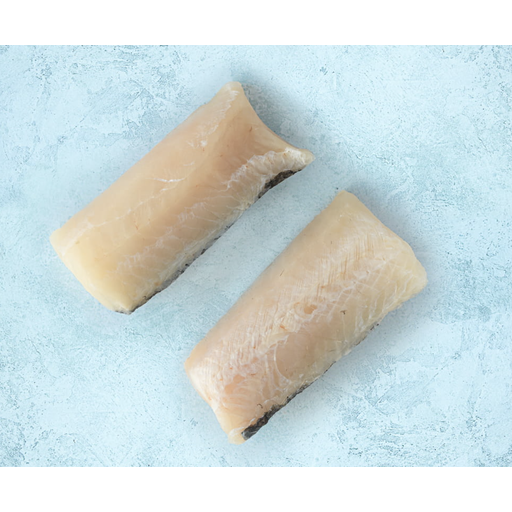 Image unavailable
Hake steaks offer a plain-fish alternative when two portions suit the meal; this is a 280g pack rather than a fillet pack. Check the cooking and storage directions and the stated crustacean and mollusc allergen warning on the current product information.
Choose plain fillets if you want to add your own seasoning and sauce; choose a coated fillet if you want the fish to arrive as a separate, crisp portion. Check fish content and cooking directions on the exact pack, since coating and preparation vary between products.
Only cook it from frozen if the individual product’s instructions say to do so. Other products require thawing first, so read the pack before fitting the fish around the roast potatoes and vegetables.
Compare their serving roles first, then check portions, fish percentage on the coated pack and the stated net quantity on the plain fillets. Sainsbury's lists its cited Birds Eye battered cod as 51% cod, so its total pack weight does not represent fish alone.
Read the current pack’s ingredients, named allergens, bone warning and cooking instructions. Marks & Spencer states that its Wild Icelandic Cod Fillets are raw, must be cooked and may contain bones; those details should not be assumed for a different product.
Follow the product label’s storage and defrosting instructions. Food Standards Agency guidance says a freezer should be around -18°C and advises following the label’s freezing or defrosting directions.