One- or two-person households
If you cook fish for one meal at a time, compare both the fat stated per prepared serving and the number of fillets in the pack. Sainsbury’s plain white-fish and basa examples each contain around five servings.


For a one- or two-person household choosing frozen fish with less fat, plain white-fish fillets are a useful starting point, provided you compare nutrition figures on the same cooking and serving basis. Sainsbury’s lists 0.5g fat per oven-cooked Stamford Street Co. white-fish fillet and 0.8g per oven-cooked basa fillet; an ASDA listing for Young’s breaded Omega 3 fish instead gives 11.7g per oven-baked fillet. If you plan fish meals across the week, the NHS recommends including oily fish as well as other fish.
If you cook fish for one meal at a time, compare both the fat stated per prepared serving and the number of fillets in the pack. Sainsbury’s plain white-fish and basa examples each contain around five servings.
Breaded or battered fish offers a different meal from a plain fillet. Check its own fat and salt figures before choosing it for a reduced-fat dinner: the ASDA listing for Young’s breaded Omega 3 fillets states 11.7g fat and 1.2g salt per oven-baked fillet.
Plain white fish can be one choice without being the only fish you buy. The NHS recommends at least two portions of fish a week, including one portion of oily fish.
Start with the nutrition figure and how it was measured, then check whether the pack and preparation instructions fit the meals you intend to make.
| Priority | What to check | Your needs |
|---|---|---|
| Fat per serving | Check the fat figure, serving size and whether it refers to oven-cooked, pan-fried or another preparation. Compare coated and plain fish on equivalent bases where possible. | I want a lower-fat freezer meal without assuming every frozen fillet is alike. Sainsbury’s lists 0.5g fat per oven-cooked Stamford Street Co. white-fish fillet and 0.8g per oven-cooked basa fillet; the ASDA listing for Young’s breaded Omega 3 fish gives 11.7g per oven-baked fillet. |
| Pack size | Check the number of fillets or stated servings, net fish weight and instructions for keeping unused portions frozen. | With one or two people eating, I want a pack I can use across the meals I actually plan. Sainsbury’s lists around five servings for its Stamford Street Co. white-fish pack and five for its basa pack; ASDA lists three for its coley pack. |
| Fish across the week | Identify whether a product is white fish or oily fish rather than relying on wording such as “Omega 3” in a coated product name. The NHS recommends at least two fish portions weekly, including one of oily fish. | Plain white fish may suit a lower-fat dinner, but I also want to account for the oily-fish portion in the NHS’s weekly fish guidance. |
| Ingredients and preparation | Read the current ingredient and allergen declarations, particularly on coated fish. Follow the pack’s directions for cooking from frozen or after defrosting. | If I am avoiding particular ingredients or cooking straight from the freezer, I need the instructions and declarations for the exact product. Birds Eye’s breadcrumb-coated cod, for example, lists a coating as well as cod. |
Coating changes the product you are comparing. The ASDA listing for Young’s breaded Omega 3 fish states 11.7g fat per oven-baked fillet, while Sainsbury’s two plain-fillet examples state 0.5g and 0.8g per oven-cooked fillet respectively.
Read the fat figure alongside its serving size and preparation method. Do not treat a per-100g figure and a per-fillet figure as interchangeable.
A lower-fat white-fish choice does not cover the oily-fish portion included in the NHS’s recommendation of at least two fish portions a week.
When planning the week’s fish meals, make a separate choice for the oily-fish portion rather than assuming a coated product’s “Omega 3” name identifies it as oily fish.
Pack counts differ: ASDA lists three servings for its coley fillets, while Sainsbury’s lists around five for Stamford Street Co. white fish. That difference matters when one or two people are planning freezer meals.
Check the count and storage directions before buying, then take out and prepare portions in line with the individual pack instructions.
A pack containing more portions than you expect to use can take up freezer space or leave fish unused.
Fish remains an allergen, and a coating introduces further ingredients to check. Birds Eye lists a breadcrumb coating on its cod fillets.
Read the current pack’s ingredient and allergen declarations, and use its cooking instructions for the product you have bought.
These product-line examples show why the exact fillet, coating and nutrition basis matter more than the brand name alone.
Sainsbury’s lists plain frozen white-fish and basa fillets that can be compared using its stated oven-cooked, per-fillet nutrition figures.
ASDA’s three-fillet coley pack provides a smaller stated serving count than the Sainsbury’s examples above.
M&S lists both plain frozen cod and battered cod, with nutrition stated per 100g for each of these products.
Young’s has natural frozen fish fillets as well as coated fish products.
Birds Eye’s breadcrumb-coated cod is a coated-fish example designed, according to the brand, for oven cooking from frozen.
Tesco groups battered, breaded and lightly dusted frozen fish within its coated-fish range.
These Joybuy listings are for plain frozen fish fillets, rather than breaded or battered meals. For a reduced-fat decision, check each pack’s current fat figure, its measurement basis and the quantity you would use in a one- or two-person household.
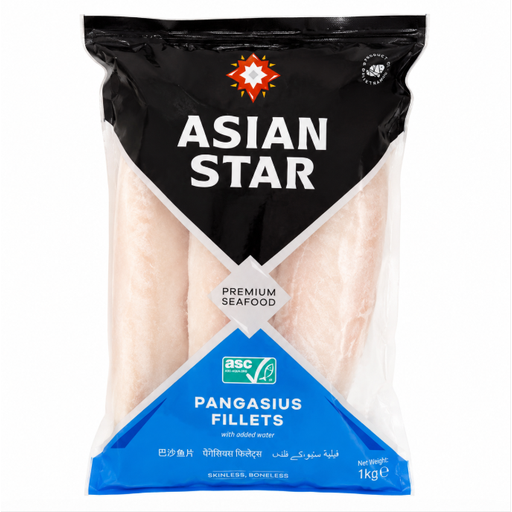 No image available
A plain-fillet option for meals you prepare and season yourself. The title states a 1kg pack with 800g net weight; check the pack’s serving information and nutrition basis when planning portions.
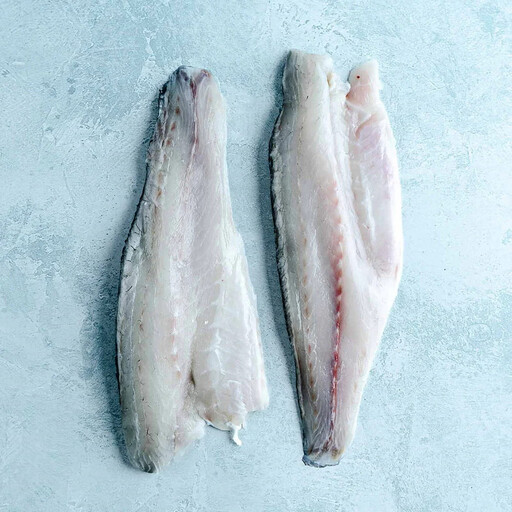 No image available
Two listed fillets give a one- or two-person household a clear pack count to plan around. Check the current nutrition and allergen declarations for the meal you intend to make.
 No image available
A plain-fillet choice labelled skinless and boneless, with 170/200g and 800g net weight stated in the title. Check the pack’s portion count and how its fat figure is measured before comparing it with cooked-serving labels.
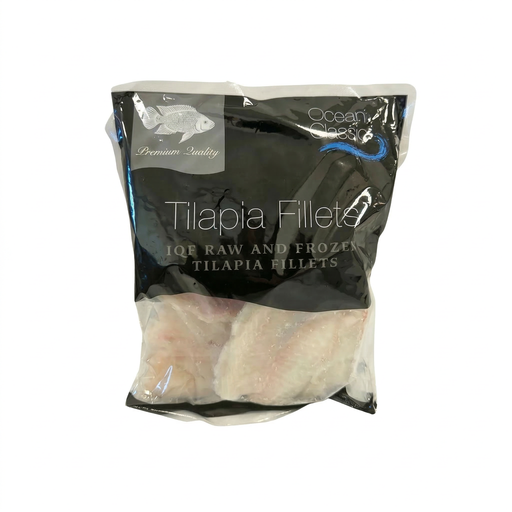 No image available
These plain tilapia fillets have an 800g net weight stated in the title. For a smaller household, check how many portions the pack provides and compare the current nutrition label on its stated basis.
Start with the fat figure and check whether it is stated per 100g or per prepared fillet, then check the cooking method. Sainsbury’s lists 0.5g fat per oven-cooked Stamford Street Co. white-fish fillet and 0.8g per oven-cooked basa fillet; the ASDA listing for Young’s breaded Omega 3 fish states 11.7g per oven-baked fillet.
No. The NHS recommends at least two portions of fish a week, including one portion of oily fish. Plan that oily-fish choice separately from lower-fat white-fish meals.
Choose by the number of meals you plan, not pack weight alone. Sainsbury’s lists around five servings for Stamford Street Co. white fish and five for its basa fillets, while ASDA lists three for its coley fillets; check the storage directions for any portions you will keep.
Use the directions for the exact product. Birds Eye describes its breadcrumb-coated cod as suitable for oven cooking from frozen, but another fish product may specify a different method or timing.
Yes. Coated and plain fillets have different ingredient lists: Birds Eye’s breadcrumb-coated cod lists both cod and a coating. Read the current pack’s ingredient and allergen declarations if you need to avoid particular ingredients.