For a lower-fat meals-on-wheels fish dish, start by comparing plain, uncoated frozen fillets on the same prepared-per-100g basis: three Tesco products cooked to their pack instructions declare between 0.5g and 2.3g fat per 100g. Coated fish and oily fish serve different menu preferences, so check each product’s label rather than treating them as substitutes for a lower-fat choice. Before serving, follow the pack’s cooking directions and check the recipient’s dietary plan, fish allergy and ability to manage possible bones.
Who is choosing fish for delivered meals?
Meals-on-wheels cooks planning lower-fat dishes
Plain frozen fillets offer a fish component that can be cooked separately from the vegetables, starchy side or sauce. Compare the fat figures on the packs using the same preparation basis before choosing for a menu.
Carers following an individual dietary plan
A fat figure alone cannot establish whether fish suits a recipient. Check their dietary plan and fish allergy, the intended portion, any texture requirements and whether they can manage possible bones.
Households arranging straightforward preparation
Some frozen fillets have pack directions for cooking from frozen, while others require thawing. Choose a product whose stated method fits the equipment and preparation time available, then follow its own instructions.
What should you check before choosing frozen fish?
Choose the fish format and compare its nutrition panel first; then check whether its preparation and serving requirements fit the person receiving the meal.
| Priority | What to check | Your needs |
|---|
| Total fat |
Compare total fat per 100g on matching raw or cooked bases. Check the stated portion as well as the per-100g figure. |
I’m planning a lower-fat fish dish and need a comparison that reflects how the fish will be prepared. |
| Coating and cooking |
Check whether the fish is plain, dusted, breaded or battered, then follow its stated cooking method. The NHS notes that frying can increase fat content, especially with batter. |
A familiar coated texture may matter for this meal, but I don’t want the product name to stand in for its nutrition panel. |
| Preparation |
Read the pack’s frozen-storage, thawing and cooking directions. Confirm that the stated method fits the kitchen equipment and service schedule. |
I need to prepare the fish by the method specified for that product, whether it cooks from frozen or needs thawing first. |
| Recipient suitability |
Check the fish allergen declaration and any bone warning against the recipient’s dietary and texture requirements. |
The person receiving the meal may need a particular texture or help managing bones; a lower fat figure does not settle those questions. |
| Wider menu |
Consider a lower-fat fish dish and an oily-fish dish as separate menu decisions. Check the chosen product and the recipient’s individual plan for each. |
I may want variety across the menu without assuming that every type of fish meets the same lower-fat requirement. |
What can go wrong when comparing fish?
-
Taking “lightly dusted” to mean lower in total fat
M&S lists 5.9g fat per 100g for its Lightly Dusted Cod and 1.2g per 100g for its plain Wild Icelandic Cod Fillets. These are figures for those two products, not a rule for every coating or fish.
Read the current panels for total fat, saturates and portion size. Check that the preparation bases match before making a direct numerical comparison.
-
Comparing raw values with cooked values
Cooking and preparation affect what a declared per-100g figure describes. A raw figure and a cooked-as-instructed figure do not provide a like-for-like comparison.
Use figures with the same declared basis. Tesco’s haddock, Bay Fishmongers white fish and Tesco’s basa provide cooked-as-instructed per-100g figures for comparison within those examples.
-
Choosing on nutrition without checking serving needs
Fish is an allergen, and some packs warn that bones may remain. Neither a plain fillet nor a lower fat figure resolves an individual allergy, swallowing or texture concern.
Check the recipient’s plan and the current pack before preparing or serving the fish; follow any individual guidance about suitable texture and bones.
Which brands have relevant frozen fish ranges?
These ranges show why it helps to compare individual packs, rather than assuming that every product under a brand has the same nutrition or preparation requirements.
Tesco
Tesco lists plain frozen haddock and basa fillets, alongside other frozen fish formats.
- Tesco Groceries gives cooked-as-instructed fat figures per 100g for its Haddock Fillets, Basa Fillets and Bay Fishmongers White Fish Fillets, making that measure comparable across these three listings.
- Check the current pack for nutrition, cooking directions and bone warnings before service.
M&S
The M&S range includes plain cod and hake as well as lightly dusted fish.
- M&S lists 1.2g fat per 100g for Wild Icelandic Cod Fillets and 5.9g per 100g for Lightly Dusted Cod. The figures illustrate why the specific product panel matters.
- Check each panel’s preparation basis before comparing figures directly, and inspect the current pack for cooking and bone information.
Young's
Young's lists Natural Fish Fillets intended for cooking from frozen, alongside coated fish products.
- Its Natural Fish Fillets range offers a plain-fish format to consider where cooking from frozen fits the meal preparation plan.
- Check nutrition and cooking directions for the particular product; the range name does not establish its total fat figure.
Birds Eye
Birds Eye offers frozen fish in both plain and coated formats.
- Its Fish Fillets in Batter listing identifies Alaska pollock, batter and rapeseed oil, helping distinguish that product from an uncoated fillet.
- For a lower-fat menu decision, use the specific product’s fat figure and stated cooking method rather than assuming coated and plain formats are equivalent.
Plain frozen fish options on Joybuy
These Joybuy listings are for plain frozen tilapia and pangasius fillets. Check the current pack’s nutrition basis before comparing their fat figures with cooked-as-instructed figures from other products.
 No image available
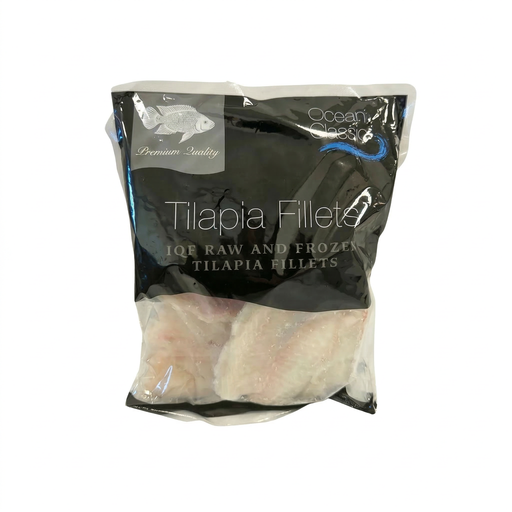
Ocean Classic Tilapia IQF Fillets, 1kg (800g net)
A plain frozen fillet option for a meal assembled with separate sides. The product information calls for thawing before cooking and thorough cooking; check the current pack’s nutrition basis before comparing fat figures with cooked fish.
View on Joybuy
 No image available
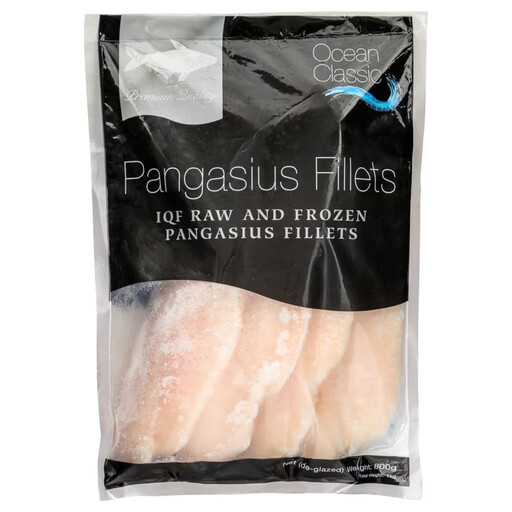
Ocean Classic Pangasius Skinless & Boneless IQF Fillets, 170/200g, 1kg (800g net)
Individually quick-frozen fillets may suit meals prepared in separate portions. The product information calls for refrigerator thawing and thorough cooking; check the current pack and the recipient’s requirements rather than relying on the “boneless” description alone.
View on Joybuy
 No image available
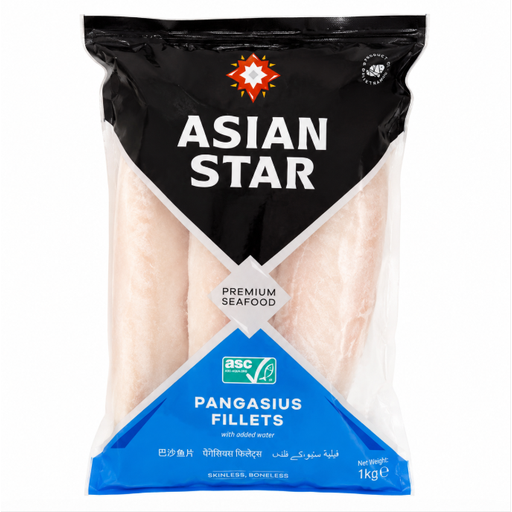
Asian Star White Pangasius Fillet, 1kg (800g net)
A plain pangasius option for a separately assembled fish meal. Confirm the current pack’s cooking directions and nutrition basis before planning service or comparing its fat figure with cooked-as-instructed products; check the recipient’s fish allergy and dietary plan.
View on Joybuy
Questions about choosing and serving frozen fish
Where should I start for a lower-fat frozen-fish meal?
Start with plain, uncoated fillets and compare total fat per 100g on the same preparation basis. Tesco Groceries lists 0.5g for its haddock, 1.6g for Bay Fishmongers white fish and 2.3g for its basa per 100g when each is cooked to its instructions. Choose the portion and accompaniments to fit the recipient’s plan.
Is lightly dusted or battered fish necessarily lower in fat?
No: a coating name does not establish a lower total-fat figure. M&S lists 5.9g fat per 100g for Lightly Dusted Cod and 1.2g per 100g for plain Wild Icelandic Cod Fillets; check the preparation basis on each panel before a direct comparison. The NHS also notes that frying can increase fat content, particularly with batter.
What should I check before serving frozen fish?
Follow that product’s storage, thawing and cooking directions, and check the current pack for its fish allergen declaration and possible bone warnings. Also check the recipient’s dietary and texture requirements; a general lower-fat selection cannot establish individual suitability.


