Roast-dinner cooks comparing fat content
If fish will sit alongside roast potatoes and vegetables, compare the fish's stated fat per 100g before adding oil, butter or sauce. Plain and coated portions can have quite different figures.


For a roast dinner where you want the fish component to contain less fat, start by comparing plain, uncoated white-fish fillets with coated portions on the same cooking basis. Sainsbury's lists less than 0.5g fat per 100g for its oven-cooked plain cod and 0.5g for its oven-cooked haddock, compared with 6.5g per 100g for its breaded haddock cooked as directed. Check whether your chosen pack can be cooked from frozen, as well as its ingredients and oven instructions; these figures do not establish that every plain fillet meets a regulated “reduced fat” claim.
If fish will sit alongside roast potatoes and vegetables, compare the fish's stated fat per 100g before adding oil, butter or sauce. Plain and coated portions can have quite different figures.
Portioned frozen fish can fit into the final stage of a roast when its pack gives suitable oven-from-frozen instructions. Other products may need refrigerator thawing first.
Plain cod or haddock may suit a lower-fat main course, but choosing white fish for this meal does not make it the same choice as oily fish. NHS guidance distinguishes the two when discussing weekly fish intake.
Start with the fish format and its nutrition label, then check whether the cooking instructions work with the rest of your roast.
| Priority | What to check | Your needs |
|---|---|---|
| Fat and coating | Read the ingredients and fat per 100g. Compare figures stated for the same cooking method; oil and sauces added during preparation also matter. | I'd like the fish itself to contribute less fat. Sainsbury's lists 0.5g per 100g for its oven-cooked plain haddock, versus 6.5g per 100g for its breaded haddock cooked as directed. |
| Roast timing | Check whether the pack permits cooking from frozen, plus its oven setting, time and final cooking check. Allow for refrigerator thawing if instructed. | Fish needs to fit around the potatoes and vegetables. Sainsbury's plain cod and haddock portions specify 22–25 minutes from frozen at 200°C/Fan 180°C/Gas 6; another pack may differ. |
| Ingredients and allergens | Look for breadcrumbs or batter and read the current allergen declaration. Check the stated cooked nutrition rather than judging a coated portion by its fish species alone. | If I'm serving someone with a food allergy, the coating matters: Birds Eye's breaded cod contains wheat and mustard, in addition to fish. |
| Fish type | Identify the species and whether it is white or oily fish. Consider the choice in the context of other fish meals, rather than treating the two types as interchangeable. | For this roast, I may prefer plain white fish. NHS guidance discusses white fish such as cod and haddock separately from oily fish and advises including an oily-fish portion among weekly fish meals. |
Coating can change the comparison. Sainsbury's lists 0.5g fat per 100g for its plain haddock oven cooked, but 6.5g per 100g for its breaded haddock cooked as directed.
When fat content drives the choice, compare the specific packs per 100g and check how each figure was prepared.
ASDA's cod figure of 3.6g fat per 100g is stated for pan-fried fish; Sainsbury's plain cod and haddock figures are for oven-cooked fish. Added oil can also affect the finished meal.
Use figures with comparable preparation conditions before drawing a conclusion, and account for oil you add yourself.
A coated product can contain ingredients beyond fish. Birds Eye's breaded cod contains wheat and mustard.
Read the current pack's ingredients and allergen statement, particularly when cooking for someone with a food allergy or coeliac disease.
Cooking directions are product-specific. Sainsbury's plain cod and haddock portions specify 22–25 minutes from frozen at 200°C/Fan 180°C/Gas 6.
Plan oven space around the chosen pack's setting and time, and follow its instruction for checking that the fish is cooked through.
These examples show why the particular fish product and its preparation instructions matter more than the brand name alone.
Its plain frozen cod and haddock portions provide oven-from-frozen examples for comparison with a breaded haddock product.
Its frozen cod fillets offer another plain-fish product to examine.
Its frozen selection includes plain hake, cod and haddock as well as lightly dusted fish.
Its frozen seafood range includes natural fillets alongside breaded, battered and sauce-based products.
Its breaded cod illustrates a coated choice for a roast dinner rather than a plain-fillet alternative.
These pangasius fillets are options to examine if you want a plain fish centrepiece. Check each current pack's fat figure and cooking directions before deciding whether it fits your lower-fat roast and oven schedule.
 Image unavailable
For a plain-fish roast, check the current pack's fat per 100g and its stated preparation basis before comparing it with oven-cooked cod or haddock. Allow time to thaw in the refrigerator if directed, and confirm the baking temperature and time before planning the oven slot.
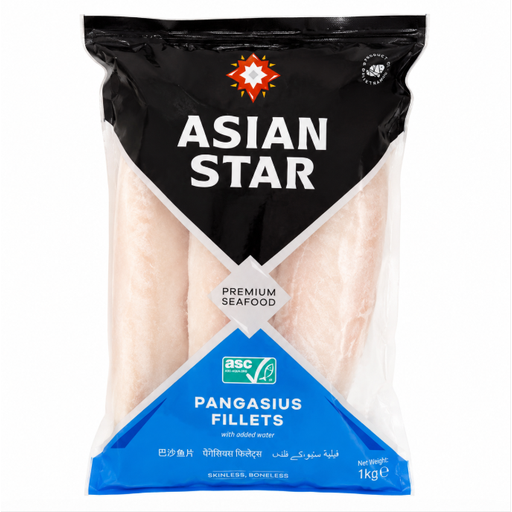 Image unavailable
If you are considering this fillet for a lower-fat roast, confirm the current nutrition label and whether its fat figure refers to fish as sold or after cooking. Check the pack's thawing and oven instructions before fitting it around the rest of the meal.
Start with plain, uncoated white-fish fillets and compare fat per 100g on a consistent cooking basis. Sainsbury's lists less than 0.5g for its oven-cooked plain cod and 0.5g for its oven-cooked haddock, against 6.5g for its breaded haddock cooked as directed; other products need their own label check.
Yes, if the fish pack permits cooking from frozen and its oven directions fit your meal plan. Sainsbury's plain cod and haddock portions specify 22–25 minutes at 200°C/Fan 180°C/Gas 6; follow the chosen pack's instructions and check the fish is piping hot before serving.
No, but a coating changes what you need to compare when fat content is the priority. Sainsbury's breaded haddock lists 6.5g fat per 100g cooked as directed, and coated products can add allergens: Birds Eye's breaded cod contains wheat and mustard. Read the particular pack rather than assuming all coatings have the same ingredients or nutrition.
No. NHS guidance distinguishes white fish such as cod and haddock from oily fish and advises including an oily-fish portion among weekly fish meals. Choosing plain white fish for this roast need not determine which fish you choose for another meal.
Follow that product's storage and thawing directions rather than using the timing for a cook-from-frozen fillet. M&S instructs shoppers to defrost its British hake fillets in a refrigerator and use them within 24 hours; check the instructions on the pack you buy.