New parents with little preparation time
A fish product with a suitable cook-from-frozen method can help when there is no time to thaw dinner. Check the method and timing on the individual pack: they differ between fillets.


For flexible freezer meals, consider plain white-fish fillets with cooking instructions that suit your equipment; choose salmon when you specifically want an oily-fish portion, or coated fillets when that format suits the meal. Check the exact pack for cooking and thawing directions, ingredients, allergens and bone warnings. If you are pregnant or breastfeeding, the NHS guidance on fish types and oily-fish portions also matters.
A fish product with a suitable cook-from-frozen method can help when there is no time to thaw dinner. Check the method and timing on the individual pack: they differ between fillets.
White fish and oily fish have different roles in the NHS fish guidance. The NHS advises at least two fish portions a week, including one oily portion, and no more than two oily-fish portions a week for women, including those breastfeeding.
Breaded or battered fillets offer a different meal format from plain fish. Check the exact ingredients, allergen warnings, cooking directions and advice about possible bones, particularly if children will share the meal.
Choose when: You want an uncoated fish base to serve with different sides.
Allow for: The cooking method varies by product; some fillets need thawing first.
Choose when: You are planning a meal with oily fish such as salmon, rather than white fish.
Allow for: NHS oily-fish portion guidance may be relevant during pregnancy or breastfeeding, and preparation differs by pack.
Choose when: A coated fish format fits the dinner you are making.
Allow for: Coatings change the ingredients and nutrition values; check allergens on the exact product.
| Priority | What to check | Your needs |
|---|---|---|
| Cooking | Check whether the pack directs you to cook from frozen or thaw first. Match its oven, microwave or air-fryer directions to your equipment and available time. | I need a dinner I can prepare with the equipment and time available that day. |
| Fish type | Identify the species, not just a front-of-pack claim. The NHS identifies salmon as oily fish and cod and haddock as white fish; its oily-fish guidance is relevant during pregnancy and breastfeeding. | If I am planning an oily-fish meal, I want to know that the portion is oily fish rather than white fish. |
| Coating and labels | For coated products, read the ingredients and allergen declaration. Compare energy, fat and salt per 100g or per serving on the products you are considering. | A coated fillet may suit tonight’s meal, but I need its ingredients and nutrition panel to work for my household. |
| Bones and storage | Read any residual-bone warning and the instructions for frozen storage, defrosting and refreezing. Check cooked fish carefully before serving it to children. | I want clear handling directions and will not assume that the word “fillet” rules out bones. |
| Pack size | Check the stated net weight, fillet count and any portion information; pack formats differ. | I need enough portions for the people eating, without assuming every pack contains the same number of fillets. |
The NHS distinguishes oily fish, including salmon, from white fish such as cod; white fish contains less long-chain omega-3.
Check the species when choosing fish for a particular meal, and follow the relevant NHS oily-fish guidance if you are pregnant or breastfeeding.
Breadcrumbs or batter change the ingredient list. For example, Birds Eye breaded cod lists wheat and mustard, while nutrition values are specific to each product.
Read the allergen declaration and compare nutrition per 100g or per serving on the packs you might buy.
Birds Eye breaded cod and M&S breaded haddock both warn that bones may remain.
Check the warning on your pack, then inspect and flake cooked fish carefully, especially before serving it to children.
Tesco cod has microwave-from-frozen directions, whereas the cited Birds Eye breaded cod has oven and air-fryer directions. Those methods are not interchangeable instructions for every fillet.
Follow the storage, thawing and cooking directions on the product in your freezer.
Its frozen-fish range includes coated fish and fish fingers. The cited breaded cod offers a coated option with directions for cooking from frozen.
Young’s Natural Fish Fillets include plain white-fish options. Its five flaky white-fish fillets are described by Young’s as suitable for cooking straight from frozen.
Tesco lists frozen cod, other white fish and salmon among its fish-fillets range.
The M&S frozen-fillet category includes plain and coated fish across several species.
These options cover coated cod, salmon portions and plain frozen fillets. Their preparation needs differ, so choose by the meal you intend to make and check the current pack before cooking.
 No image available
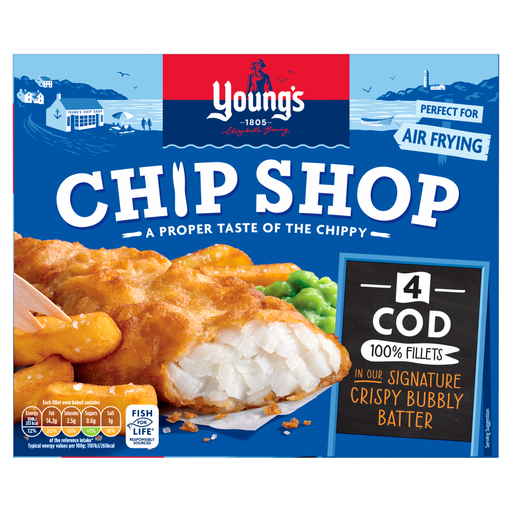
A coated cod option for an oven-cooked meal from frozen. The product information identifies wheat and mustard; check the current pack for allergens, bone advice and cooking directions.
 No image available
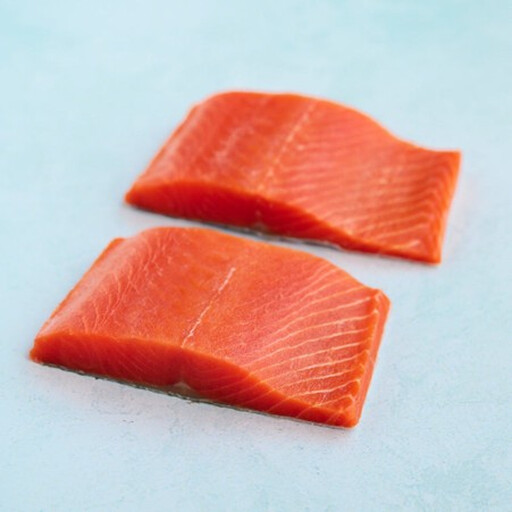
Salmon is an oily fish according to the NHS, so these steaks fit a meal planned around that fish type. Allow for the product’s thaw-before-cooking directions and check the pack for cooking and bone advice.
 No image available
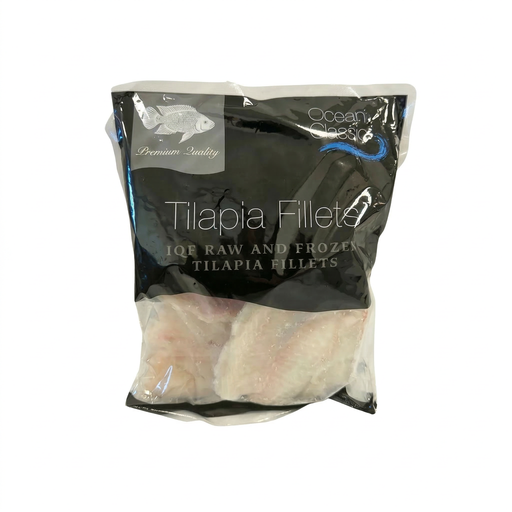
These plain, individually quick-frozen fillets suit meals where you want to prepare the fish separately from the sides. The product directions call for refrigerator thawing before cooking; check the pack for the cooking method and bone advice.
 No image available
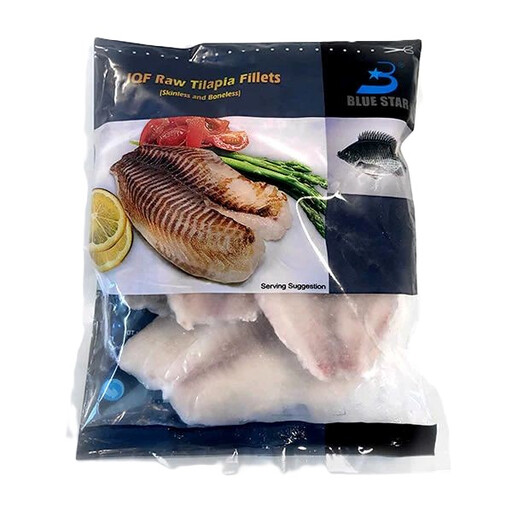
A plain tilapia option with an 800g net weight for planning meals across the pack. Its directions call for thawing before cooking; check the pack for the fillet count, cooking time and bone advice.
 No image available
The individually quick-frozen format offers separate portions for meal planning. This is raw fish that must be fully cooked; despite the boneless wording, the product information warns that it may contain bones. Check the pack for the cooking method and time.
Yes, provided you choose the fish type deliberately as part of your meals. The NHS advises breastfeeding parents to aim for at least two portions of fish a week, including one oily portion, while women, including those breastfeeding, should have no more than two oily-fish portions a week. White fish does not count as an oily-fish portion.
The NHS advises avoiding shark, swordfish and marlin during pregnancy and having no more than two portions of oily fish a week, including salmon, trout, mackerel and herring. Identify the fish species on the pack rather than relying on a general claim on the front.
Choose plain fillets when you want an uncoated base for different meals; choose coated fish when that format suits your dinner. Ingredients and nutrition differ by product: Tesco’s cited plain cod lists 91 kcal and 0.25g salt per 100g, while the cited M&S breaded haddock lists 189 kcal and 0.53g salt per 100g. Those figures describe those two products, not every plain or coated fillet.
No. Some fillet products warn that bones may remain. Read the current pack and inspect and flake cooked fish carefully, particularly before serving it to children; also check ingredients and allergen warnings for everyone eating it.
No. Cooking and thawing directions are product-specific: the cited Tesco cod has an oven-from-frozen route, while some other fillets direct you to thaw before cooking. Follow the storage, defrosting and cooking instructions on the exact pack.