Choose frozen fish by the kind of meal the older person can prepare and eat, then compare usable portions, fish content and the nutrition label. Plain fillets offer a flexible base, salmon provides an oily-fish option, and coated portions can simplify preparation; check salt, allergens, cooking instructions and possible bones for the particular product.
Who is this for?
Older adults planning freezer meals
If a pack will cover several meals, look at its portion format as well as the fish species, ingredients and nutrition label. Fish fingers and plain fillets serve different meal plans, even when their packs are a similar size.
Carers preparing fish
Portioned frozen fish may make meal preparation more manageable. Check whether the particular product needs thawing, how it must be cooked, its allergens and any warning about bones.
People concerned about reduced intake
When an older person has a poor appetite or unintentional weight loss, whether they can eat the meal matters more than a general product comparison. The NHS identifies people aged 65 and over as particularly at risk of malnutrition; seek professional advice about concerning weight loss or eating difficulties.
What matters when choosing?
Start with the intended meal, then compare products of a similar format using their current pack labels.
| Priority | What to check | Your needs |
|---|
| Fish type |
Read the named species. The NHS recommends including an oily-fish portion within at least two portions of fish a week; salmon is an oily-fish option, while cod, haddock and pollock are white fish. |
I want to know whether this meal provides the oily-fish portion I am planning, rather than treating every frozen fish product as interchangeable. |
| Usable portions |
Compare pack weight, portion count and, for coated products, the stated fish percentage. Check the prepared serving size when comparing nutrition labels. |
A pack needs to make a practical number of meals for me; coating and pack weight alone do not tell me how much fish each serving contains. |
| Salt and allergens |
Read salt per prepared serving and the full allergen declaration. Asda Groceries lists its Young’s breaded Alaska pollock fillet as 50% fish, with 1.2g salt per baked fillet. |
If I am choosing for someone with an allergy or specific dietary advice, I need the details for the exact product, not assumptions based on its fish species. |
| Preparation and bones |
Check whether to cook from frozen or thaw first, and follow the product’s instructions. Read any bone warning, including on products described as boneless. |
Preparation must be manageable in our kitchen, and I need to check for bones when chewing or swallowing is a concern. |
Common buying mistakes
-
Treating all pack weights as equivalent
Fish fingers, battered portions and plain fillets can contain different amounts of fish and play different roles in a meal.
Compare plain fillets with plain fillets first. For coated products, check the fish percentage, serving size and nutrition label.
-
Assuming an omega-3 label identifies oily fish
An omega-3 claim on a white-fish product does not change the species used. The NHS identifies oily fish, including salmon and mackerel, as the relevant category for its weekly oily-fish guidance.
Read the named species when choosing a meal intended to provide an oily-fish portion.
-
Overlooking the details on a convenient portion
Coating, seasoning and preparation differ between products. Asda Groceries lists fish, wheat and mustard allergens and warns that bones may remain in its Young’s breaded pollock fillets.
Check the current pack for allergens, salt, cooking directions and bone warnings before serving.
-
Relying on a general comparison when eating is difficult
Unintentional weight loss or difficulty swallowing changes the decision from an ordinary product choice. The NHS identifies older adults as particularly at risk of malnutrition.
Seek appropriate professional advice about concerning weight loss or swallowing difficulty, and use product labels to follow the resulting guidance.
Brand and retailer references
Birds Eye
Sainsbury’s Groceries lists Birds Eye fish fingers and coated fillets among its frozen-fish options.
- Portioned coated formats offer an alternative to preparing plain fillets.
- Check the particular pack’s fish content, serving size and nutrition rather than treating a coated fillet as plain fish.
Young’s
Young’s Seafood lists fish fingers, fish in sauce, meals for one and natural fillets in its range.
- The formats allow a choice between prepared portions and less-prepared fish.
- Asda Groceries lists one Young’s breaded pollock fillet as 50% fish with 1.2g salt per baked fillet; those figures apply to that product, not the whole range.
Tesco
Tesco Groceries lists frozen hake and salmon fillets, offering white-fish and oily-fish formats to compare.
- Fillet packs provide alternatives for planning different fish meals.
- Check each product’s species, portion format and label; the presence of both formats does not make them nutritionally interchangeable.
Sainsbury’s
Sainsbury’s Groceries lists own-label white-fish fillets and fish fingers alongside branded frozen fish.
- Its listed formats allow plain fillets and coated portions to be considered separately.
- Compare fish type, coating and usable servings rather than assuming two frozen-fish packs serve the same purpose.
Asda
Asda Groceries provides product-level ingredients, nutrition and bone information for the Young’s breaded pollock fillets discussed here.
- The listed fish percentage and per-fillet nutrition help assess that coated product.
- Check the pack at purchase, particularly for allergens, cooking instructions and warnings.
M&S
Marks & Spencer describes frozen-fish options including haddock and kippers.
- The different fish types give shoppers distinct meal formats to consider.
- Check the individual product label and local availability before planning a meal around it.
Frozen fish options on Joybuy
These options cover plain fillets, portioned cod, salmon steaks and sliced fish. Compare the preparation method and pack details for the meal you intend to make.
 No image available
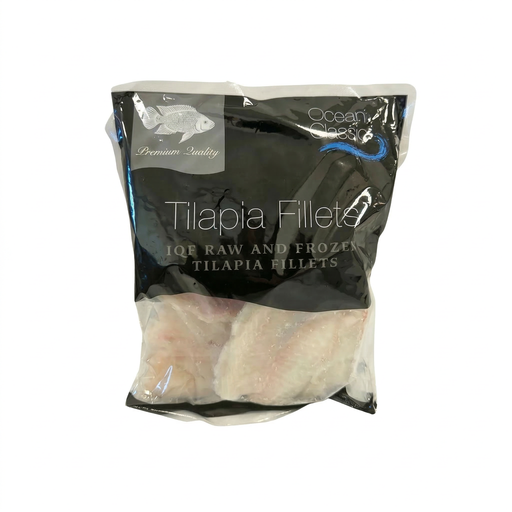
Ocean Classic Tilapia IQF Fillets, 800g net, 1kg pack
Plain tilapia fillets are an option for meals built around uncoated fish. The pack distinguishes 800g net from 1kg total weight; check its thawing and cooking directions and any bone advice before serving.
View on Joybuy
 No image available
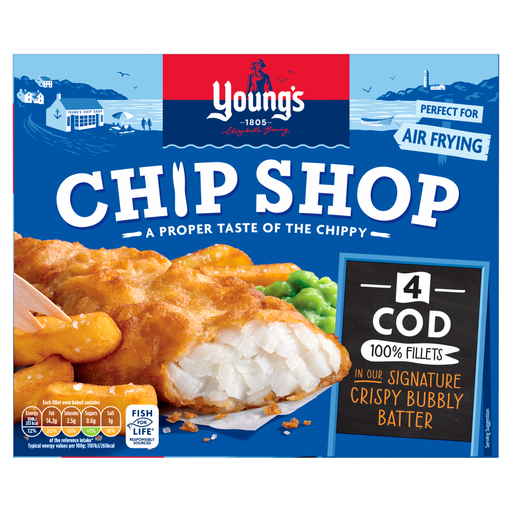
Young’s Chip Shop 4 Cod Fillets 400g
The four-fillet format may suit a meal plan that calls for separate portions. Check this product’s fish percentage, salt per prepared fillet, allergens and cooking instructions before comparing it with plain cod.
View on Joybuy
 No image available
Ocean Classic Pangasius Skinless & Boneless IQF Fillets, 170/200g, 1kg total weight
These plain pangasius fillets offer another base for a fish meal. The pack wording also refers to 800g net: check the label for the fish weight excluding ice, follow its refrigerator-thawing instructions and check any bone advice.
View on Joybuy
 No image available
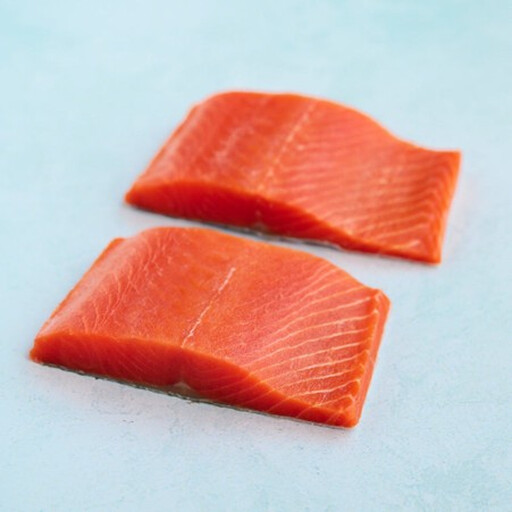
The Fish Society Wild Sockeye Salmon Fillet Steaks 220g
Salmon is an oily-fish option for a meal plan that includes the NHS-recommended weekly oily-fish portion. This 220g pack contains two fillet steaks; check the pack’s thawing, cooking and bone advice before preparation.
View on Joybuy
 No image available
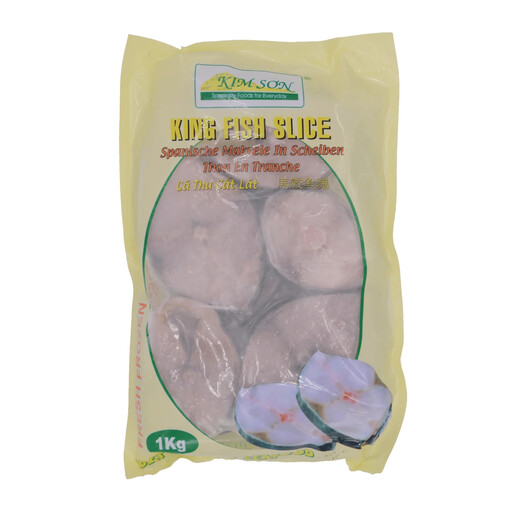
Kim Son King Fish Slice 1kg
The sliced 1kg format may be useful when planning several cooked meals. Its product description warns that small bones may be present; follow the cooking directions and do not assume the named fish meets oily-fish guidance.
View on Joybuy
Frequently asked questions
How does oily fish fit into a weekly fish plan?
The NHS recommends at least two portions of fish a week, including one of oily fish. Choose a product identified as an oily-fish species, such as salmon, rather than assuming an omega-3 claim on a white-fish product makes it the same choice.
Can breaded fish be a practical choice?
Yes, when its portion format and preparation method suit the person eating it. Check fish percentage, salt per prepared serving and allergens against the alternatives: Asda Groceries lists one Young’s breaded pollock product as 50% fish with 1.2g salt per baked fillet.
What if an older person is losing weight unintentionally?
Do not rely on a general frozen-fish comparison to address unintentional weight loss. The NHS identifies people aged 65 and over as particularly at risk of malnutrition; seek GP advice about substantial unintentional weight loss or other concerning symptoms.
Can every frozen fish product be cooked without thawing?
No single method applies to every product. Follow the instructions on the specific pack: some products are intended for cooking from frozen, while Ocean Classic’s pangasius listing directs refrigerator thawing before use.
Is a boneless label enough when swallowing is difficult?
No. A product described as boneless should not automatically be assumed suitable for someone with swallowing difficulties; check its bone warnings and follow the person’s professional swallowing guidance before serving it.


