For routine meals, one plain oily-fish pack, such as salmon, and one plain white-fish pack, such as cod or haddock, offer a practical starting point. This fits NHS advice to include two portions of fish a week, one of them oily, provided the person enjoys the fish and can prepare it. If straightforward cooking or familiar flavours matter more, consider a prepared product instead, checking its ingredients, nutrition label and cooking directions; fish alone is not a plan for addressing poor appetite or weight loss.
Who is this shop for?
Older adults preparing their own meals
Keeping fish in the freezer can make it easier to plan meals between shopping trips. Choose packs with portions and preparation instructions the person can manage; a 2025 UK study published in Frontiers in Nutrition identified access and preparation as barriers to eating fish among older adults.
Family carers stocking the freezer
Consider whether the person likes the species and format, can handle any thawing or cooking steps, and needs help checking bones or allergens. A convenient pack is useful only if its instructions fit the household's routine.
Households concerned about poor appetite
Fish can be one part of a meal, but a two-pack purchase should not stand in for individual advice about unintentional weight loss or difficulty eating. The NHS says care for malnutrition depends on the person's health and the severity of the problem.
What should you check before choosing?
Plain oily fish
Choose when: The person eats salmon or another oily fish and can manage its preparation.
Trade-off: Plain portions leave seasoning to the cook, but may require more handling than a prepared product.
Plain white fish
Choose when: A plain fillet that can be served with the household's preferred accompaniments is more likely to be eaten.
Trade-off: White fish complements an oily-fish choice; it does not replace the oily portion in the NHS's weekly fish advice.
Coated or prepared fish
Choose when: Familiar flavours or simpler preparation make a meal more manageable.
Trade-off: Fish content, ingredients and nutrition differ by product, so compare the exact pack rather than treating it as a plain fillet.
| Priority |
What to check |
Your needs |
| Variety |
Read the species name on each pack. For a two-pack plan, distinguish an oily fish such as salmon from white fish such as cod or haddock. |
I want two different fish choices for routine meals. The NHS advises two fish portions a week, including one oily portion; buying two packs does not mean both must be eaten in the same week. |
| Preparation |
Check whether each pack says to cook from frozen or thaw first, and follow its cooking directions. Check for skin or bones where handling them matters. |
Meals need to be straightforward for whoever cooks them, particularly if handling fish or following several steps is difficult. |
| Ingredients |
For coated or sauced fish, compare the fish percentage, allergens, and fat and salt per 100 g and per portion where shown. Sainsbury's lists one Birds Eye battered cod product as 51% cod, with 14 g fat and 1.1 g salt per 100 g; those figures apply to that product, not all battered fish. |
If a prepared option is more likely to be eaten, I still want to know what is in the serving rather than judging it by the word 'fish' on the front. |
| Portions |
Check the number and size of pieces, along with any protein information per serving. Make sure the portions work with the meals the household plans to make. |
A pack is easier to use if its pieces suit the person's appetite and the number of meals being planned. |
| Individual needs |
Check any prescribed dietary requirements and seek appropriate clinical or dietetic advice for weight loss, swallowing difficulty or other concerns affecting food choices. |
Where eating enough is already a concern, I need the freezer shop to fit the person's wider care plan, not replace it. |
Common buying mistakes
-
Choosing two coated packs solely for convenience
That leaves no plain oily-fish choice in a two-pack plan. The NHS advises including an oily portion among two weekly fish portions.
If the person enjoys it and can prepare it, consider an oily-fish pack alongside a white-fish pack. Choose a coated alternative when its preparation or flavour better fits the household, after checking the label.
-
Assuming all fish products have similar contents
Coating and sauce change what makes up a portion. Sainsbury's lists a Birds Eye battered cod product as 51% cod, with 14 g fat and 1.1 g salt per 100 g; those values should not be applied to other products.
Compare the exact pack's ingredients, fish percentage and nutrition information, including per-portion figures where available.
-
Treating a freezer purchase as a response to weight loss
Poor appetite or unintentional weight loss may call for more than a change of fish product. The NHS says malnutrition care depends on health and severity and may involve a broader approach to food and support.
Use fish as one possible meal component and seek clinical or dietetic advice when weight loss, swallowing difficulty or a prescribed diet affects what the person can eat.
-
Assuming every frozen fillet cooks the same way
Preparation instructions differ: Young's identifies its Natural Fish Fillets range as suitable for cooking from frozen, but that does not establish the method for another pack.
Read and keep the exact pack instructions so the person cooking can follow its thawing and cooking method. Food Standards Agency guidance cited in its consumer-freezing review says defrosted food should be consumed within 24 hours; follow any stricter pack instruction.
Relevant brand and retailer ranges
Birds Eye
A reference point for coated frozen fish when familiar preparation is a priority.
- Sainsbury's lists Birds Eye Battered Cod Fillets as a four-piece pack.
- That product's listing states 51% cod, 14 g fat and 1.1 g salt per 100 g. Check its label against a plain fillet rather than applying those figures to the whole brand.
Young's
Its Natural Fish Fillets range is worth considering when cooking from frozen would make meal preparation simpler.
- Young's says the Natural Fish Fillets range can be cooked straight from frozen.
- Check the directions and ingredients on the particular Young's product: the range claim does not establish how every coated or prepared line is cooked.
Tesco
An own-label range to consider when comparing plain frozen fish species.
- Tesco Groceries lists frozen salmon, basa, hake and cod fillets, giving shoppers both oily- and white-fish examples to compare.
- Check the species, portion details and preparation directions on the chosen pack rather than assuming the fillets are interchangeable.
M&S
A retailer range that includes frozen fish, with Scottish Salmon Portions listed as one specific option.
- The listed salmon portions provide an identifiable oily-fish format for a two-pack plan.
- Confirm the chosen pack's size and cooking directions, as well as whether it is available through the store or channel you use.
Frozen fish options on Joybuy
These options cover plain pangasius, sockeye salmon steaks and prepared cod fillets. They represent different choices for a two-pack freezer shop, not a requirement to buy all three.
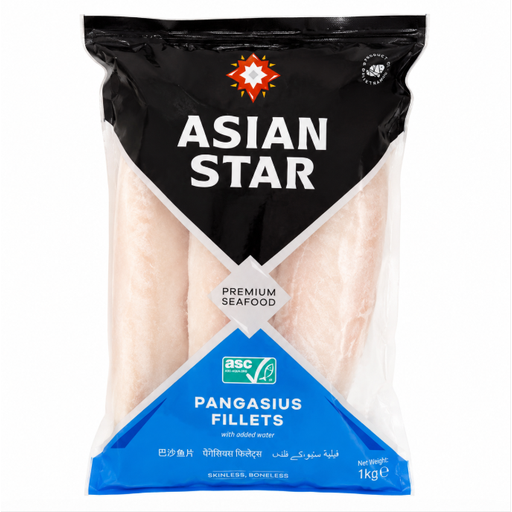 Image unavailable
Asian Star White Pangasius Fillet, 1 kg (Net 800 g)
A plain white-fish option to consider alongside an oily-fish pack. Allow for refrigerator thawing before cooking and follow the pack directions; check the number of separate fillets if planning individual portions.
View on Joybuy
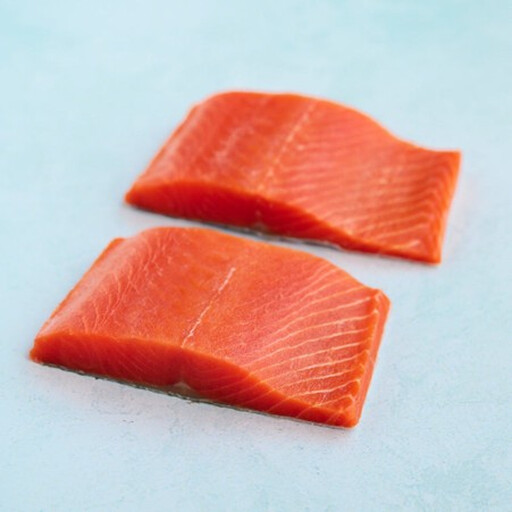 Image unavailable
The Fish Society Wild Sockeye Salmon Fillet Steaks, 220 g
A salmon option for the oily-fish side of the two-pack plan. Check that skin-on steaks suit the person eating them, and confirm bone status and the pack's thawing and cooking instructions before relying on them for an independently prepared meal.
View on Joybuy
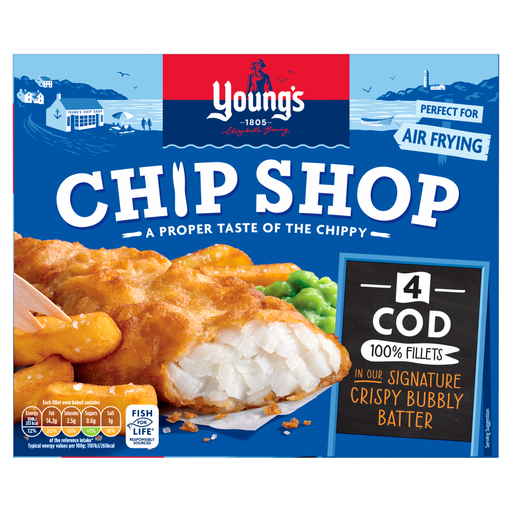 Image unavailable
Young's Chip Shop 4 Cod Fillets, 400 g
A prepared cod option when oven preparation from frozen is useful. Check the pack's cooking directions, allergens and bone warning, and compare its ingredients and per-fillet nutrition information with any plain-fish alternative under consideration.
View on Joybuy
Frequently asked questions
Which two types of frozen fish make a practical starting point?
For routine meals, consider one plain oily-fish pack, such as salmon, and one plain white-fish pack, such as cod or haddock, if the person enjoys and can prepare both. This fits NHS advice to eat two fish portions a week, one of them oily; it does not mean both packs must be used in the same week.
Can coated fish be one of the two packs?
Yes, if its flavour or preparation makes it a more workable meal choice. Compare the exact product's fish content, allergens, portion size, fat and salt with plain options: Sainsbury's lists one Birds Eye battered cod product as 51% cod, with 14 g fat and 1.1 g salt per 100 g.
Is frozen fish enough when an older person has a poor appetite?
No single freezer purchase addresses poor appetite or unintentional weight loss on its own. The NHS says malnutrition care depends on the person's health and the severity of the problem; seek clinical or dietetic advice if weight loss, swallowing difficulty or a prescribed diet affects their meals.
Can fish go straight from the freezer into the oven?
Only when the specific pack's instructions allow it. Young's says its Natural Fish Fillets range can be cooked from frozen, but another product may require thawing first; follow its own cooking directions.
What should happen after fish has been defrosted?
Follow the fish pack's instructions for thawing and use. Food Standards Agency guidance cited in its consumer-freezing review says defrosted food should be consumed within 24 hours; do not use that general timeframe to override a stricter instruction on the pack.


