What should you check before buying?
Start with the assurance on the exact pack, then compare its nutrition and preparation instructions with the person’s meal and texture needs.
| Priority | What to check | Your needs |
|---|
| Sourcing assurance |
For wild-caught fish, look for the blue MSC ecolabel on the selected pack. The Marine Stewardship Council says it identifies seafood from a fishery independently assessed against its environmental standard; a retailer-wide policy is not the same as a label on that product. |
I want to identify a certified choice without assuming that every product from one brand, or every fish of one species, has the same assurance. |
| Fish and nutrition |
Compare protein and salt per 100g and per serving, especially when switching between plain and coated fish. Tesco lists 22.0g protein and 0.22g salt per 100g for its plain frozen haddock fillets; its listing for Birds Eye breaded cod fish fingers gives 13g and 0.6g respectively. NHS guidance distinguishes oily fish from white fish in its general weekly fish advice. |
A plain fillet might fit one meal, while a familiar coated portion might be easier to serve in another. I need the nutrition panel for the actual product rather than treating the formats as interchangeable. |
| Preparation |
Check the number and size of portions, and whether the exact pack calls for cooking from frozen or defrosting first. Follow its storage and cooking directions rather than transferring instructions from another fish product. |
I need a portion and cooking method the household can manage on an ordinary day. |
| Bones and texture |
Read any bone warning and check the cooked fish. If a texture-modified diet is prescribed, follow that person’s IDDSI level: IDDSI says adult Level 6 pieces must be soft, tender and moist, pass its tests and be no larger than 1.5cm × 1.5cm. |
Where chewing or swallowing is a concern, I need to know how the fish will be prepared and checked before it is served. |
Which brands and ranges are relevant?
These examples show why the label and instructions on a particular product matter more than a brand name alone.
Tesco
Tesco’s frozen range includes plain fish as well as prepared formats. Its Haddock Fillets 360G listing identifies fish from an MSC-certified fishery.
- That haddock listing gives 22.0g protein and 0.22g salt per 100g, with cooking-from-frozen instructions.
- The same product warns that some bones may remain; check other Tesco fish products individually for their own labels and directions.
Sainsbury’s
Sainsbury’s Haddock Fillet Portion 360g is described on its product page as individually frozen, skinless and boneless, and from an MSC-certified fishery.
- The listing gives 23.8g protein and 0.14g salt per 100g and oven directions for cooking from frozen or chilled.
- Sainsbury’s wider seafood-sourcing policy does not replace checking the species, label and nutrition of another pack.
Birds Eye
Birds Eye offers a coated cod option: Tesco’s listing for its 8 Breaded Cod Fish Fingers 240g displays the MSC ecolabel.
- The pack contains individual fish fingers for households choosing that format.
- The listing gives 13g protein and 0.6g salt per 100g; compare its nutrition and cooked texture with what the person needs.
Young’s
Young’s lists natural frozen fillets alongside fish fingers, fish in sauce, fish cakes and meals for one.
- Young’s describes its natural fillets as cookable from frozen, offering a format to consider when preparation time matters.
- Fish for Life is Young’s stated sustainability programme; check the exact product for any certification you want to rely on.
M&S
M&S lists frozen fillets across species including salmon, hake, cod and haddock, and publishes a seafood-sourcing standard covering frozen products.
- Its range allows shoppers to consider different fish species and fillet formats.
- Check the selected pack for its species, sourcing information, nutrition and cooking directions rather than applying the retailer-wide standard as a product label.
Frozen fish options on Joybuy
These options cover plain fillets, individual cod portions, sliced and whole fish, and salmon steaks. Check each pack’s sourcing information, nutrition, cooking directions and bone warnings against the older adult’s needs before choosing.
 No image available
Ocean Classic Pangasius Fillet, Skinless & Boneless, IQF 170/200g, 1kg (800g net)
A plain-fillet option for meals where the household can manage fish preparation. Check the exact pack for sourcing assurance, defrosting directions and bone advice; skinless and boneless wording does not establish suitability for a swallowing plan.
View on Joybuy
 No image available
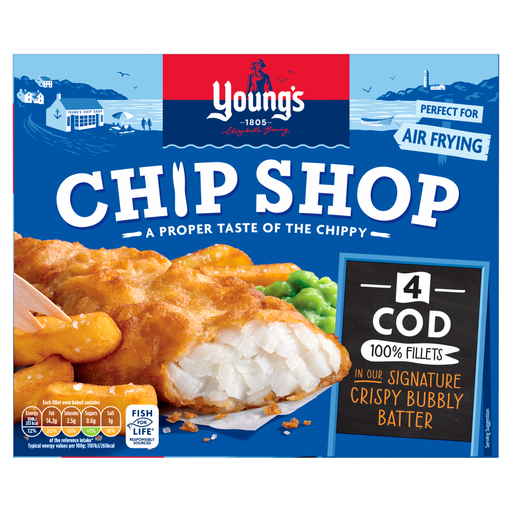
Young’s Chip Shop 4 Cod Fillets 400g
Four cod portions may help when planning individual meals. Check the pack’s cooking directions, nutrition per portion, sourcing assurance and cooked texture rather than assuming this format matches a plain fillet.
View on Joybuy
 No image available
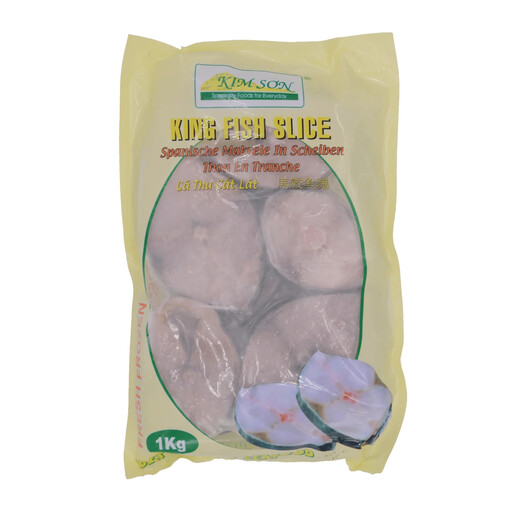
Kim Son King Fish Slices 1kg
A sliced format avoids starting with a whole fish. Check the pack for sourcing, portioning and cooking directions, and take particular care over its warning that small bones may be present.
View on Joybuy
 No image available
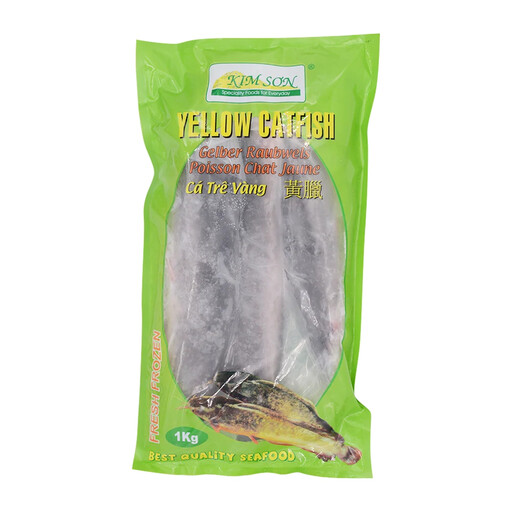
Kim Son Yellow Catfish 1kg
Consider this whole-fish option only if the household can manage preparation and careful bone checks. Review the exact pack’s sourcing and cooking directions before deciding whether it fits the meal.
View on Joybuy
 No image available
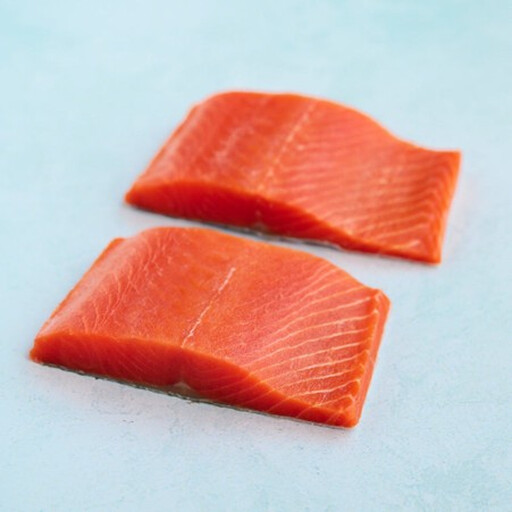
The Fish Society Wild Sockeye Salmon Fillet Steaks 220g
Sockeye salmon is an oily-fish option for a household considering different fish types. Check this pack’s sourcing assurance, nutrition, thawing directions and any skin or bone advice before serving.
View on Joybuy
Frozen fish questions
What does the blue MSC label mean on frozen fish?
On wild-caught seafood, it means the fishery has been independently assessed against the Marine Stewardship Council’s environmental requirements. Check the product you are buying: the label does not automatically apply to every item from the same brand or retailer.
Should an older adult choose white fish or oily fish?
Both are options, depending on the person’s meals and any individual dietary advice. NHS general guidance is at least two portions of fish a week, including one of oily fish; compare the nutrition and portion information on the selected frozen product rather than treating all fish as equivalent.
Can frozen fish be prepared for an IDDSI texture-modified diet?
It can only be served if its preparation meets the person’s prescribed level. For adult IDDSI Level 6, the initiative requires food to be soft, tender and moist, to pass its tests and to have pieces no larger than 1.5cm × 1.5cm; follow the person’s swallowing plan and professional guidance.
Can every frozen fish product be cooked from frozen?
No. Follow the exact pack: Tesco lists cooking-from-frozen directions for its Haddock Fillets 360G, whereas its Skinless and Boneless Cod Fillet Pieces 250g call for at least 10 hours of refrigerator defrosting before cooking.
Does “boneless” mean there cannot be any bones?
No. Tesco’s skinless and boneless frozen haddock listing warns that some bones may remain. Check the cooked fish carefully, particularly when chewing or swallowing is a concern.


