What should you check before choosing?
Start with the kind of fish meal the person is likely to eat, then compare nutrition information and preparation instructions on the exact pack.
| Priority | What to check | Your needs |
|---|
| Fish type |
Check whether the product is oily fish, such as salmon, or a plain white fish. Compare stated protein and salt values per 100 g on the packs. |
If including oily fish is the goal, I would consider salmon. For a milder fish to serve with chosen sides, a plain white-fish fillet may be easier to fit into the meal. |
| Appetite and portion |
Consider the portion that will actually be eaten alongside the rest of the meal. Seek professional advice for persistent poor appetite, unintentional weight loss or swallowing difficulty. |
A smaller or more familiar serving may be easier to manage, but I would not treat a low-fat product label as an answer to weight loss. |
| Coating and ingredients |
Read the fish percentage, ingredient list, allergens and salt per 100 g. Marks & Spencer lists 0.50 g salt per 100 g for its Lightly Dusted Cod and 0.15 g per 100 g for its British Hake Fillets; that comparison applies to those products, not every coated and plain fish. |
Cooking convenience matters to me, but I want to know what comes with the coating before choosing it over a plain fillet. |
| Preparation |
Check whether the fish must be defrosted or can be cooked from frozen, then follow its cooking directions. Look for freezer-storage instructions and any limits on using it after thawing. |
If someone else is cooking, clear instructions that fit their routine matter as much as the format I choose. |
| Bones and texture |
Read bone warnings even on fillets and check whether the cooked texture can be managed safely. Ask for tailored advice if chewing or swallowing is difficult. |
I need a serving that the person can manage, rather than assuming a fillet or fish finger will suit them because of its shape. |
Frozen fish options on Joybuy
These options span plain fillets, salmon portions, sliced fish and coated fish fingers. Choose by the meal and preparation needed rather than treating the list as a single nutrition ranking.
 No image available
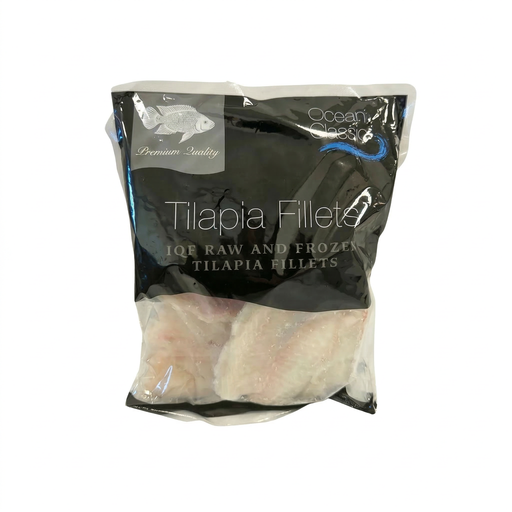
Ocean Classic Tilapia IQF Fillets, 800g net, 1kg total
A plain tilapia option for a meal built around an uncoated fillet. Thaw and cook the raw fish thoroughly; the product information warns that bones may occasionally remain.
View on Joybuy
 No image available
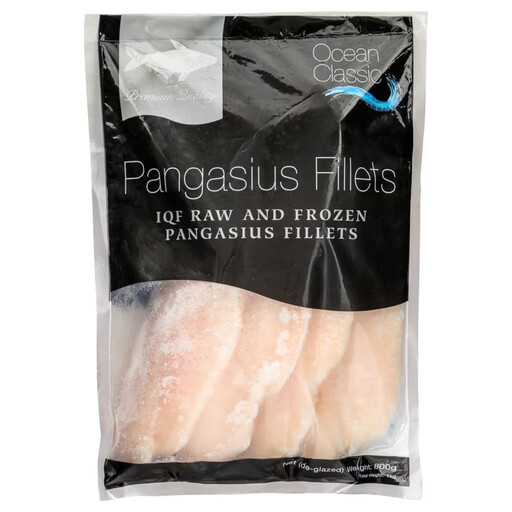
Ocean Classic Pangasius Fillets, 170/200g, 800g net
These skinless, boneless IQF fillets offer another plain-fish format. The listed ingredients include water and stabilisers; follow the pack's refrigerator-thawing and thorough-cooking directions.
View on Joybuy
 No image available
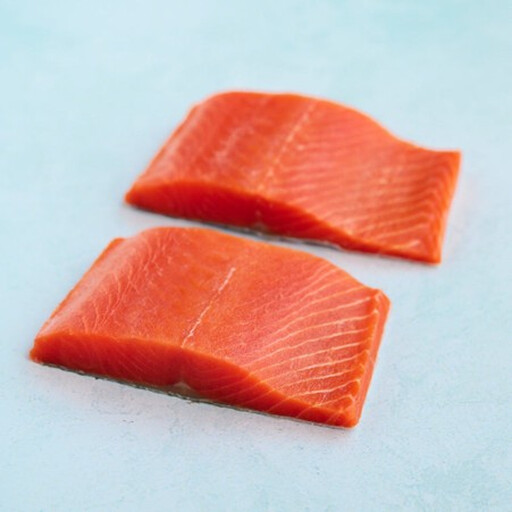
The Fish Society Wild Sockeye Salmon Fillet Steaks, 220g
Sockeye salmon fits an oily-fish meal rather than a plain white-fish one. Follow the pack's thawing and cooking directions, and check its allergen information before serving.
View on Joybuy
 No image available
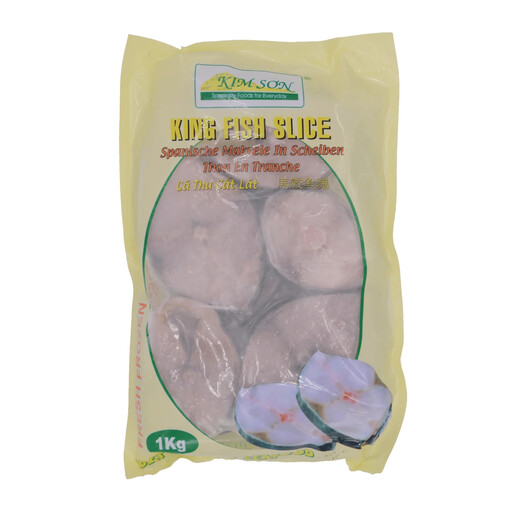
Kim Son King Fish Slice, 1kg
The sliced format may be useful when preparing fish for a shared meal. It is raw fish and must be cooked thoroughly; check the pack for bone and thawing instructions before serving.
View on Joybuy
 No image available
Birds Eye 10 Omega 3 Fish Fingers, 280g
A coated format with cooking-from-frozen directions. Birds Eye states that this product contains 58% Alaska pollock; check the breadcrumb ingredients, wheat allergen information and bone warning on the pack.
View on Joybuy
Frequently asked questions
Should I choose frozen salmon or cod for an older adult?
Choose salmon when the meal calls for oily fish; choose plain cod when a white-fish fillet better suits the person's flavour preference and planned sides. Neither choice replaces checking the portion, nutrition panel, bone warnings and cooking directions on the exact pack.
How do fish fingers compare with plain fillets?
Fish fingers can offer a familiar, cook-from-frozen format, but they are not the same product as an uncoated fillet. Birds Eye states that its 10 Omega 3 Fish Fingers contain 58% Alaska pollock and a breadcrumb coating; compare fish proportion, salt, ingredients and texture before choosing.
What if an older person has little appetite or is losing weight?
Speak to a GP about persistent poor appetite or unintentional weight loss rather than relying on a particular frozen-fish format. The NHS identifies older adults as particularly at risk of malnutrition; individual assessment can establish what support is appropriate.
Which allergens should I check in coated fish?
Check the exact pack for fish and for ingredients in its coating. The named Birds Eye fish fingers use breadcrumb coating, while Marks & Spencer lists wheatflour containing gluten in its Lightly Dusted Cod; ingredients can differ between products.
Can all frozen fish be cooked straight from frozen?
No single preparation method applies to every product. Birds Eye provides cooking-from-frozen directions for its named fish fingers, whereas the Marks & Spencer Scottish Salmon Portions information calls for thorough defrosting before cooking. Follow the directions on the pack being used.


