What should you check?
Choose the type of fish to suit the person’s appetite and the meal, then compare pack labels on the same per-100g basis.
| Priority |
What to check |
Your needs |
| Fat and protein |
Compare fat and protein per 100g on plain, uncoated fillets. Tesco Groceries lists 0.5g fat and 22.0g protein per 100g for its haddock fillets; Marks & Spencer lists 1.2g fat and 16.2g protein per 100g for its Wild Icelandic Cod Fillets. |
I want a lower-fat fish meal, but I also want to see how much protein the product lists. |
| Appetite and intake |
Consider whether the person is eating enough or has lost weight unintentionally before making fat reduction the goal. Ask a GP or dietitian for individual advice if poor intake or weight loss is a concern. |
If eating enough has become difficult, I need advice suited to that situation rather than a blanket lower-fat shopping rule. |
| Fish and coating |
Check whether the fish is plain, oily, dusted, breaded or battered. Marks & Spencer lists 5.9g fat per 100g for Lightly Dusted Cod, compared with 1.2g per 100g for its plain Wild Icelandic Cod Fillets. Tesco Groceries lists 1.9g fat and 700mg EPA+DHA per 100g for its Wild Salmon Fillets. |
I may want an oily-fish portion or a coated fillet, but I do not want its name or appearance to stand in for the nutrition panel. |
| Preparing and serving |
Follow the pack’s storage and cooking directions, check allergens and inspect fish for bones. Tesco Groceries, Marks & Spencer and Joybuy product information warn that bones may remain in some fillets. |
Cooking needs to be manageable, and I want to check the fish carefully before serving it to someone who may find bones difficult to spot or remove. |
Brand and range references
These examples show why the particular product and its label matter more than the brand name alone.
Tesco
Tesco Groceries lists both plain haddock and wild salmon fillets, allowing a comparison between a white-fish and an oily-fish option.
- Tesco Haddock Fillets list 0.5g fat and 22.0g protein per 100g; Tesco Wild Salmon Fillets list 1.9g fat and 20.0g protein per 100g.
- The haddock product information warns that some bones may remain. Check the current pack before serving.
M&S
Marks & Spencer lists plain Wild Icelandic Cod Fillets alongside a Lightly Dusted Cod product.
- The plain cod fillets list 1.2g fat and 16.2g protein per 100g.
- Lightly Dusted Cod lists 5.9g fat per 100g. Compare the individual panel rather than relying on a range label or a lighter-sounding name.
Young's
Young's Seafood lists Atlantic Cod Fillets in its Natural Fish Fillets range.
- The natural-fillets range gives shoppers a plain-fish format to consider.
- Check the specific pack’s nutrition and preparation directions rather than assuming every product in a seafood range has the same coating or fat content.
Birds Eye
Birds Eye lists battered frozen fish, including its Jumbo Fish Fillets made from pieces of Alaska pollock fillet.
- The Jumbo Fish Fillets provide a coated-fish option for someone who prefers batter.
- Birds Eye describes that product as battered and lightly fried. Check its current fat figure and ingredients if reduced fat is the main aim.
Plain frozen-fish options on Joybuy
These pangasius and tilapia fillets are options to examine when shopping for an uncoated frozen-fish meal. Check the delivered pack’s per-100g nutrition, net fish quantity and cooking directions before deciding which suits the person eating it.
 No image available
Ocean Classic Pangasius Fillet, 170/200g, 1kg (800g net)
A plain fillet to consider when comparing fat and protein per 100g for a lower-fat meal. The title describes skinless, boneless IQF fillets; the stated 1kg total includes 800g net fish. Check the pack and inspect the fish for bones before serving.
View on Joybuy
 No image available
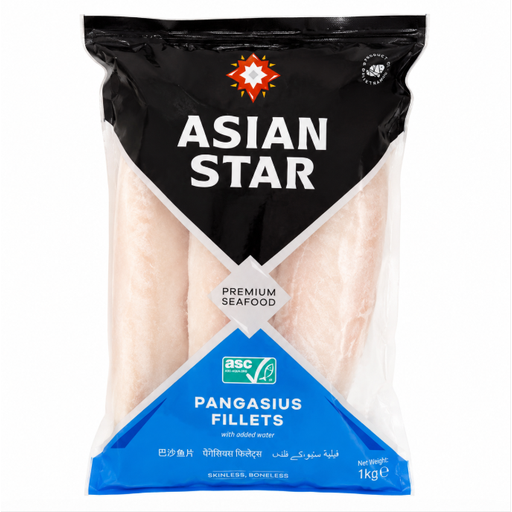
Asian Star White Pangasius Fillet, 1kg (800g net)
Another plain pangasius option for a fish-based meal. Use the delivered pack to compare its per-100g fat, protein and salt with other fillets; the title states 800g net fish in a 1kg pack. Check the fish for bones before serving.
View on Joybuy
 No image available
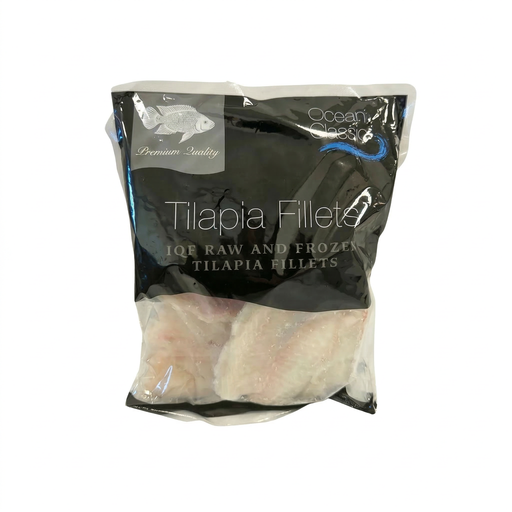
Ocean Classic Tilapia IQF Fillets, 1kg (800g net)
Plain tilapia fillets provide a different fish option for comparing pack nutrition per 100g. The title states 800g net fish in a 1kg pack. Follow the cooking directions and check the fish for bones before serving.
View on Joybuy
Frequently asked questions
Is lower-fat frozen fish right for every older person?
No. Plain white fish may suit someone eating normally who wants to reduce fat, but poor appetite or unintentional weight loss changes the decision. The NHS identifies people aged 65 and over as particularly at risk of malnutrition; ask a GP or dietitian for individual advice if intake or weight loss is a concern.
Where should I start when choosing a lower-fat fillet?
Start by comparing plain, uncoated white-fish fillets per 100g. The NHS identifies white fish as low in fat. Tesco Groceries lists 0.5g fat per 100g for its Haddock Fillets, while Marks & Spencer lists 1.2g for its Wild Icelandic Cod Fillets; check the current pack as well as protein and cooking directions.
Can salmon be part of the choice?
Yes, if an oily-fish option suits the person’s needs rather than choosing solely by the lowest fat figure. Tesco Groceries lists 1.9g fat and 700mg EPA+DHA per 100g for its Wild Salmon Fillets. Compare its current pack with the white-fish options and follow any individual dietary advice.
Does a light coating mean less fat?
Not necessarily. Marks & Spencer lists 5.9g fat per 100g for Lightly Dusted Cod and 1.2g per 100g for its plain Wild Icelandic Cod Fillets. Check the nutrition panel and ingredients of the particular coated product rather than relying on its name.
What should I check before serving frozen fish?
Follow the pack’s storage and cooking directions, check its allergen declaration and inspect the fish for bones. Product information from Tesco Groceries, Marks & Spencer and Joybuy warns that some bones may remain; Joybuy’s Morrisons Cod Fillets information also instructs shoppers to serve the product piping hot throughout.


