Shoppers planning a fish-centred dinner
A plain fillet, loin or steak leaves the seasoning and accompaniments to you. Check the species, cut, skin and bone description, and whether the product needs thawing before cooking.


Choose a plain fillet or loin when you want to season and serve the fish yourself; choose a coated product when a more prepared fish supper suits the meal. For an online order, judge the exact product by its species, cut, ingredients, fish content where coated, and cooking and storage instructions—not its premium-range name alone.
A plain fillet, loin or steak leaves the seasoning and accompaniments to you. Check the species, cut, skin and bone description, and whether the product needs thawing before cooking.
Breaded, battered or seasoned fish may suit a meal with less preparation. Check the fish percentage, coating ingredients, allergens and directions for the cooking method you intend to use.
If you want an oily-fish portion, check the species rather than the range name. If certified wild-caught sourcing matters, look for the label on the exact product.
Start with the meal you intend to make, then check whether the listing describes plain fish or a prepared product. The details that matter next depend on that choice.
| Priority | What to check | Your needs |
|---|---|---|
| Fish and cut | Check the species, fillet or loin format, pack weight, and stated skin and bone status. A range name does not describe every product in it. | I want to cook and season the fish myself, so a plain cut matters more to me than a prepared coating. |
| Preparation | Check whether the fish is plain, seasoned, breaded or battered. For coated products, read the fish percentage and ingredient list. | A ready-seasoned or coated fish supper suits my plans, but I still want to know what makes up the pack. |
| Ingredients | Read the current ingredient and allergen information for the exact product. Joybuy lists fish, wheat/gluten and mustard for Young's Chip Shop cod. | If I need to avoid an ingredient, I cannot assume a coated fillet has the same ingredients as plain fish. |
| Fish type | Check the species and preparation method. The NHS identifies salmon as oily fish and cod and haddock as white fish. | I'm choosing an oily-fish portion, so I need to check that the product contains the species I intend to buy. |
| Sourcing | Look for certification on the exact pack. The Marine Stewardship Council says its blue MSC label identifies wild-caught seafood from fisheries assessed against its environmental-sustainability requirements. | Certified wild-caught sourcing matters to me; I won't assume that every product from a brand carries the same label. |
| Storage and cooking | Check whether the product cooks from frozen or requires thawing, then follow its own storage, thawing and cooking directions. | For a meal soon after delivery, I need a cooking route that fits the time available. |
UK grocery ranges include both plain cuts and prepared fish. They call for different ingredients, cooking steps and meal plans.
Choose the format first, then check the species, cut, pack size and preparation instructions on the exact listing.
Coating contributes to a prepared product's weight. Joybuy's listings specify 54% cod for Young's Chip Shop cod fillets and 51% cod for Birds Eye breaded cod fillets.
When fish content matters to your meal, compare the stated fish percentages as well as pack weights, and distinguish coated products from plain cuts.
Breading and batter can add ingredients beyond fish. Joybuy lists wheat/gluten and mustard among the allergens for Young's Chip Shop cod.
Read the current ingredient and allergen information for the product you order rather than applying details from another product in the range.
The Food Standards Agency's food-safety research notes that thawing and subsequent storage at higher temperatures can allow surviving microorganisms to grow.
Keep the fish frozen as directed and follow its own instructions for thawing, cooking and any restriction on refreezing.
These examples show how UK grocery ranges differ in format; a range name does not establish the details of every product within it.
Tesco Groceries lists skinless and boneless cod loins in its Finest frozen range.
M&S lists frozen Scottish salmon portions, wild Icelandic cod loins and Norwegian halibut fillets among its fish options.
Young's appears in UK grocery listings with prepared frozen fish, including Gastro products and Chip Shop cod fillets.
Birds Eye breaded cod is a prepared fish-supper option rather than a plain cod loin.
Sainsbury's Groceries lists Taste the Difference beer-battered fish among its frozen fillets.
These products cover distinct meal plans: marinated black cod, salmon, plain hake and battered cod. Compare their formats rather than treating them as interchangeable premium cuts.
 No image available
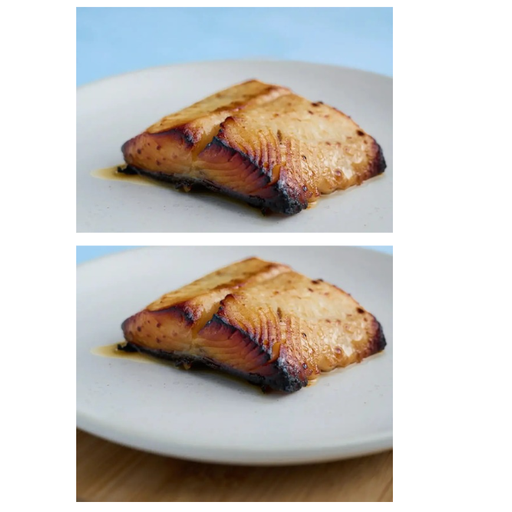
A single marinated steak suits a planned fish-centred meal rather than a plain-fillet recipe. The product description specifies a 72-hour miso marinade and describes MSC-certified Alaskan sourcing; check the label if certification is important. It contains soy, and the steak needs defrosting before preparation: follow the pack's thawing and cooking directions.
 No image available
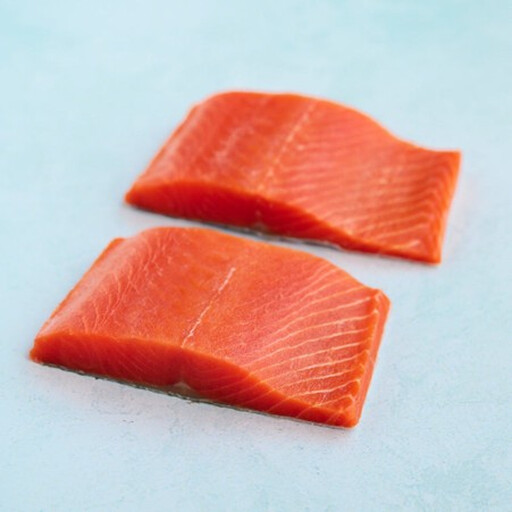
Choose these salmon steaks when the meal calls for an oily fish rather than coated white fish. The listing describes two skin-on steaks and storage at −18°C or below. Check the pack for bones, thawing and cooking directions; do not assume a sourcing certification from the wild-Alaskan description.
 No image available
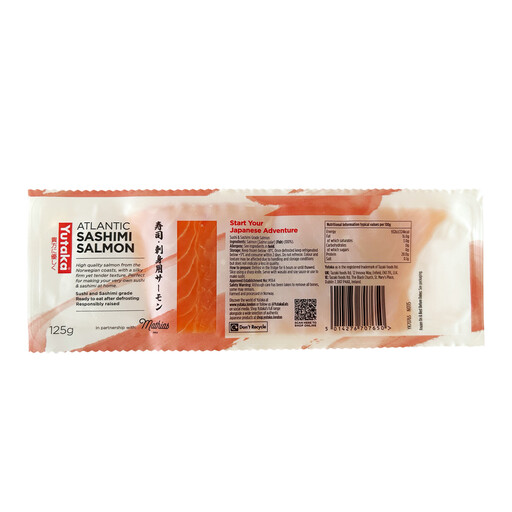
This 125g Atlantic salmon pack is presented for Japanese-style dishes. Do not assume from the product name alone that it is suitable to serve uncooked: check the exact pack instructions and handling requirements before deciding how to use it. The listing warns that bones may remain and gives frozen and post-thaw storage directions.
 No image available
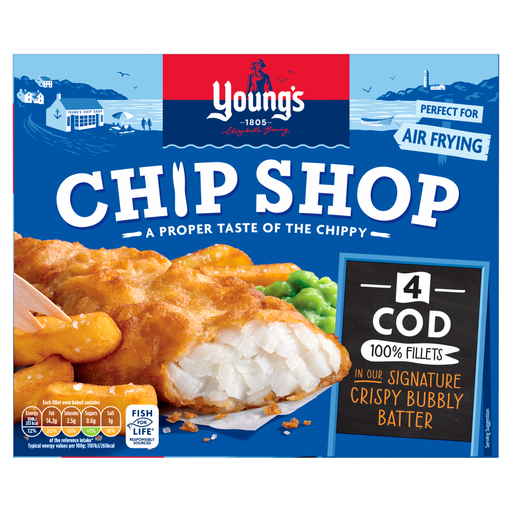
These battered fillets suit a prepared cod supper, not a recipe requiring plain fish. Joybuy lists cod fillet at 54% of the product and provides oven instructions for cooking from frozen. The listing declares fish, wheat/gluten and mustard and warns that bones may remain; check the current pack before cooking.
 No image available
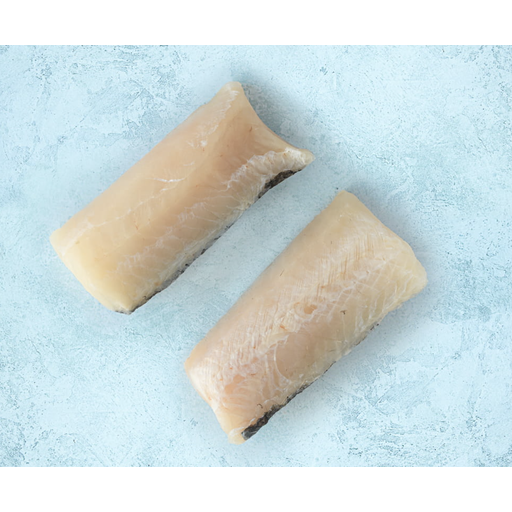
Two plain hake loin steaks offer a different route from the marinated and coated products above. The listing identifies hake as the ingredient and mentions grilling, baking and pan-searing. Check the pack if skin or bone status matters, and follow its storage, thawing and cooking directions.
Use it as a prompt to inspect the product, not as a specification. Check the species, cut, pack weight and preparation: Tesco Groceries, M&S and Sainsbury's Groceries list examples ranging from plain cod loins and salmon portions to battered fish.
Choose by the fish type and meal you intend to make. The NHS identifies salmon as oily fish and cod and haddock as white fish; a coated or seasoned product also needs its own ingredient and preparation check.
Not when the recipe depends on an uncoated cut. Coating changes the ingredients and the proportion of fish: Joybuy lists 54% cod in Young's Chip Shop cod fillets and 51% cod in Birds Eye breaded cod fillets. Read the exact allergen information too.
Follow that product's storage and cooking instructions, and put fish intended for frozen storage in the freezer promptly. If thawing is required, use the pack's method and observe any post-thaw use or refreezing restrictions; directions for one cod product should not be applied to another fish.
For a product carrying it, the Marine Stewardship Council says the label identifies wild-caught seafood from fisheries independently assessed against its environmental-sustainability requirements. It does not tell you whether the fish is boneless, uncoated or suitable for a particular dietary need.