Weekly family-meal planners
Keep plain fillets for meals you can season and serve in different ways, then choose a second pack for a different night of the week.


For a two-pack freezer stock-up, start with plain white-fish fillets if you want fish that can go into different meals. Make the second pack serve another purpose: salmon if you want an oily-fish option, or coated or prepared fish if an easier midweek meal matters more. Check the portions, ingredients and cooking directions on both packs before buying.
The useful two-pack combination depends on whether your second pack needs to add meal variety, an oily-fish option or a familiar quick dinner.
Keep plain fillets for meals you can season and serve in different ways, then choose a second pack for a different night of the week.
If salmon, sardines or mackerel rarely feature in your meals, a frozen oily-fish pack offers a different choice from another white-fish product. The NHS advises at least two fish portions a week, including one oily-fish portion.
Plain and coated fish can have different ingredient lists. Check the current label of each pack, especially where a coating, batter or sauce affects what your household can eat.
Give the two packs different jobs before comparing their labels. A plain fillet offers recipe flexibility; the other pack can add oily fish or suit a quicker meal.
| Priority | What to check | Your needs |
|---|---|---|
| Two different meal roles | Compare fish type and format. Check whether each pack is plain, coated or prepared, and how many servings its pack size provides. | I want one pack I can use across several recipes and another that earns its freezer space on a different kind of night. |
| Fish type | Read the species and portion information. The NHS identifies salmon as oily fish and cod, haddock and pollock as white fish; its general advice is at least two fish portions a week, including one oily-fish portion. | If our usual meals seldom include oily fish, I would consider salmon for the second pack rather than buying another white-fish format. |
| Ingredients and allergens | Compare the current ingredients and allergen information, particularly for batter, breadcrumbs and sauces. Check nutrition per 100g when comparing individual products. | A coated option needs to work for everyone eating it; I cannot assume it has the same ingredients as a plain fillet. |
| Storage and preparation | Check whether the exact product cooks from frozen or needs thawing, then follow its cooking and storage instructions. GOV.UK guidance for England, Northern Ireland and Wales says a freezer should be around -18°C. | I need to know whether the pack fits the time available on the night I plan to use it, and whether there is room to store it frozen. |
Two similar coated products may leave you without plain fish for recipes where you want to choose the seasoning or sauce.
Assign each pack a job before checkout: adaptable fillets, an oily-fish meal or a prepared dinner. If both serve the same purpose, consider changing one.
The NHS distinguishes oily fish from white fish, while Marks & Spencer lists different ingredients and nutrition information for its plain and lightly dusted cod products.
Compare the exact packs’ fish species, ingredients, allergens and per-100g nutrition rather than relying on the front-of-pack name.
A product intended for cooking from frozen and one that requires thawing need different planning. Marks & Spencer’s cited frozen cod products also instruct users not to refreeze after thawing.
Keep the packaging until the fish is used and follow that product’s storage, thawing and cooking directions.
These ranges illustrate formats to compare for a weekly shop; the ingredients and directions that matter are those on the individual pack.
Its frozen-fish range includes fish fingers and coated fish for planned family meals.
Young's lists natural fish fillets as well as fish fingers, pies and other prepared formats.
Tesco Groceries lists frozen white fish, salmon, smoked haddock, fish-pie mix and coated or sauced options.
Sainsbury's publishes a retailer-wide responsible-seafood sourcing policy.
Asda publishes corporate information about sourcing wild-caught and farmed seafood.
M&S lists plain and lightly dusted frozen fish, allowing a comparison between different preparations of cod.
These options include plain white-fish fillets, salmon for an oily-fish choice, and coated fish for a prepared meal. Choose two that suit different meals rather than treating the list as a single two-pack combination.
 No image available
Plain pangasius fillets suit a pack kept for flexible meals. The product directions call for thawing in the fridge before cooking and using the fish within 24 hours of defrosting.
 No image available
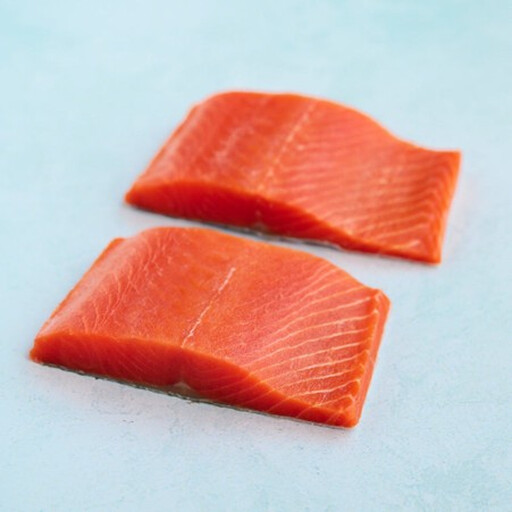
Salmon gives the second pack an oily-fish role rather than repeating a white-fish choice. The listing describes two skin-on steaks; thaw them before cooking and check the pack’s directions and current allergen information.
 No image available
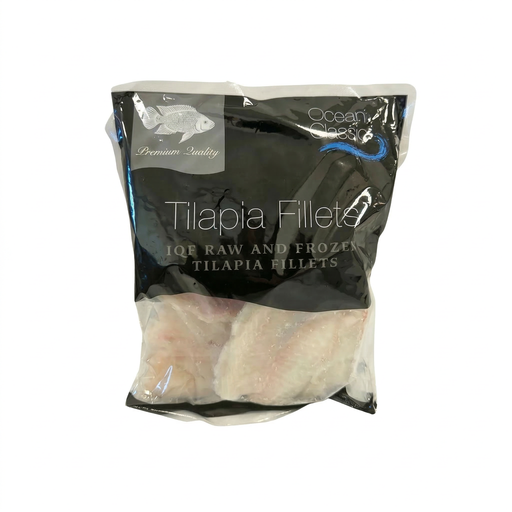
These plain tilapia fillets are another white-fish option for meals where you choose the other ingredients. The product directions say to thaw before cooking; check the current pack for the cooking method and timing.
 No image available
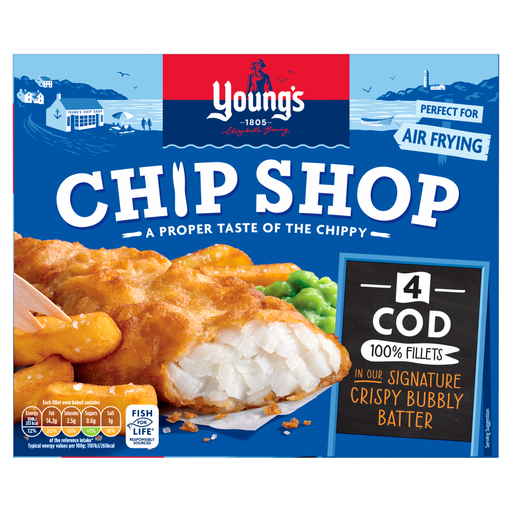
These battered cod fillets fill the prepared-meal role alongside a plain-fish pack. The product information gives oven directions from frozen; check the current pack for the applicable instructions and for fish, wheat and mustard allergens.
 No image available
These breaded pollock fish fingers offer a prepared format distinct from plain fillets; the product information identifies ten pieces. Check the current pack for cooking directions and for fish and wheat allergens. The product name does not make pollock an oily-fish choice.
Plain white-fish fillets and a second pack with a different job make a practical starting point. Consider salmon if you want an oily-fish option, or coated or prepared fish if a quicker planned meal is more useful; check that both pack sizes fit how your household eats fish.
Yes: the NHS advice distinguishes fish type and portion, not whether you bought it frozen. It advises at least two portions of fish a week, including one oily-fish portion, and describes a portion as around 140g; salmon is an oily fish, while cod, haddock and pollock are white fish.
Some products are intended for cooking from frozen, but check the exact pack before starting. Birds Eye and Young's describe relevant products this way; another pack may direct you to thaw the fish first. Follow its method and cook until piping hot, as Birds Eye advises for its products.
Follow each pack’s storage and thawing directions. GOV.UK guidance for England, Northern Ireland and Wales says a freezer should be around -18°C; the cited M&S frozen cod products also say not to refreeze after thawing.
No. A coating can contain gluten-containing cereals: M&S Lightly Dusted Cod lists wheat and other such ingredients. Read the current ingredients and allergen information for the particular pack before choosing it.