Start with plain, uncoated white fish if reducing the fish component’s fat is your main priority; choose coated fish when a crisp finish matters more, and check the nutrition panel for the exact pack. Tesco’s product information lists 0.5g fat per cooked haddock fillet, compared with 7.3g for a Birds Eye breaded cod fillet and 13g for a Birds Eye lightly dusted pollock fillet. Those are different products and serving sizes, and sauce, oil and sides also affect the finished dinner.
Who is choosing?
Shoppers planning a lower-fat comfort dinner
If the fish is going into a pie or a meal with potatoes and sauce, an uncoated fillet lets you decide what to add. Tesco lists 0.5g fat for its cooked haddock fillet; the checked coated Birds Eye fillets have higher stated fat per fillet, though their serving sizes differ.
Busy weeknight cooks
Check whether the particular fish can be cooked from frozen or needs defrosting. Then choose a pack with portions and instructions that fit the dinner you are making.
Shoppers who want a crisp coating
Breaded and lightly dusted fish offer different coating styles, but the name alone does not tell you which has less fat. Compare the prepared-serving figures and allergens on the packs you are considering.
What should you check?
Choose the dinner format first, then compare nutrition on a consistent basis and check how the fish must be prepared. The figures below concern particular products, not every plain or coated fillet.
Plain white-fish fillets
Choose when: You want an uncoated base for fish pie or fish with potatoes and vegetables.
Bear in mind: Seasoning, sauce and added oil remain your choice and change the finished meal.
Lightly dusted fish
Choose when: You want a seasoned coating without making the fish from scratch.
Bear in mind: “Lightly dusted” describes the coating, not its fat content; the checked Birds Eye pollock lists 13g fat per oven-baked fillet, according to Tesco.
Breaded fish
Choose when: A breadcrumb coating is the part of the comfort dinner you want to keep.
Bear in mind: The checked Birds Eye breaded cod lists 7.3g fat and 0.81g salt per oven-baked fillet, according to Tesco; other breaded products need their own label check.
YouGov reported in July 2026 on frozen-food buying among British adults responsible for grocery shopping. Its value and quality figures describe reasons for choosing frozen food generally, not reasons for choosing reduced-fat fish; the concerns can overlap.
| Priority | What to check | Your needs and surveyed concerns |
|---|
| Meal planning |
Check the number and size of portions, and whether the pack allows cooking from frozen. Compare equivalent pack quantities when assessing value. |
I want enough fish for the planned dinners without an unexpected defrost. YouGov reported that 62% of British adults responsible for grocery shopping cited value for money as a reason for buying frozen food in its July 2025–July 2026 data. |
| Fat in the meal |
Compare fat and saturates per prepared serving, noting serving weight and cooking method. Account for coating, oil, sauce and sides separately. |
For a comforting dinner, I want to control what goes onto a plain fillet rather than assume a coating is lower in fat. |
| Coating and flavour |
Choose the fish and coating style you want, then read the product’s ingredients and prepared-serving nutrition. Check allergens in seasoned coatings. |
A crisp finish matters to me, but I still want to compare the exact products. In YouGov’s July 2025–July 2026 frozen-food data, 50% of British adults responsible for grocery shopping cited food quality as a purchase driver; that figure does not measure coating preferences. |
| Preparation |
Check whether to cook from frozen or defrost first, and follow the pack’s oven or other stated method and timing. Coordinate the fish with the sides. |
On a weeknight, I need a preparation method that fits the time available rather than discovering at dinner time that the fish needs thawing. |
Common buying mistakes
-
Assuming a lighter-looking coating means less fat
Tesco lists 13g fat for the checked Birds Eye lightly dusted pollock fillet and 7.3g for the checked Birds Eye breaded cod fillet, both oven-baked. The coating name does not establish the nutrition difference.
Compare fat, saturates and salt for the exact prepared serving on each pack.
-
Comparing figures with different serving bases
The checked plain haddock figure is for one cooked fillet, while the coated products give figures per oven-baked fillet. Those fillets are not necessarily the same weight.
Note the stated portion weight and cooking basis; use per-100g figures for a weight-based comparison when they describe comparable prepared products.
-
Looking only at the fish
An uncoated fillet leaves the choice of sauce, oil and sides to you, so its nutrition figure is not the figure for the complete dinner.
Plan the whole plate before deciding how much seasoning or sauce to add.
-
Relying on an older ingredient list
Ingredients and allergen information can change. The checked coated products have allergen considerations beyond the fish itself.
Read the current pack before preparing the meal, particularly when someone needs to avoid an ingredient.
Brand and range references
These examples help distinguish plain and prepared formats; a brand name alone cannot establish the fat content of a particular pack.
Tesco
Tesco lists plain haddock fillets alongside coated fish products, giving shoppers different formats to compare.
- Its checked haddock lists 0.5g fat per fillet when cooked according to instructions.
- Read the current pack for nutrition and allergens, as product information can change.
Birds Eye
The checked Birds Eye products include breaded cod and seasoned, lightly dusted pollock.
- Both offer a prepared coating for a crisp-style fish dinner.
- Tesco lists different fat and salt figures for the two checked products; compare their individual labels rather than the coating names.
Young's
Young's describes natural fish fillets and fish-in-sauce products in its range.
- Young's says its natural fillets can be cooked straight from frozen.
- Its description of fish-in-sauce products as low-fat meal solutions does not establish the nutrition of every product; check the chosen pack.
Sainsbury's
Sainsbury's frozen-fish listings include fillets such as cod and salmon.
- The range provides fish-species options for different dinner recipes.
- Check the selected product’s nutrition panel and cooking instructions before treating it as a lower-fat or cook-from-frozen choice.
M&S
M&S describes frozen fish fillets and lightly dusted haddock among its options.
- The range offers both a fish-fillet starting point and a prepared coating style.
- Use the chosen pack’s nutrition and allergen label to decide whether it fits the meal you are planning.
Joybuy fish options
These fish options are mainly for building a dinner around a fillet or steak; the snakehead fillets suit a seasoned hot-pot or stir-fry style. Check each pack’s nutrition and preparation instructions against your plans.
 No image available
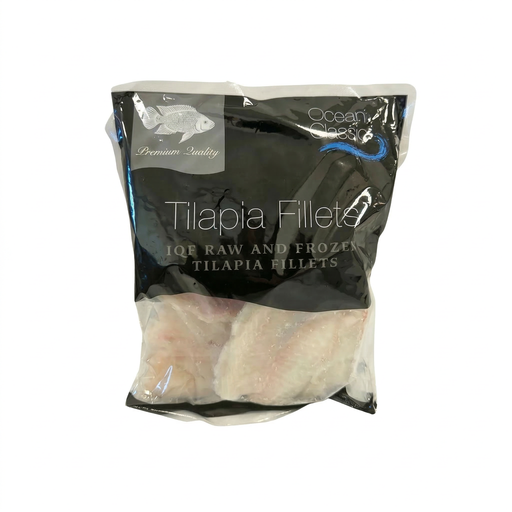
Ocean Classic Tilapia IQF Fillets, 800g net, 1kg
For a dinner built around a fish fillet, compare the current pack’s fat figures with any coating or sauce you might otherwise use. Check its thawing and cooking instructions before planning a weeknight meal.
 No image available
Ocean Classic Pangasius Skinless & Boneless IQF Fillet, 170/200g, 800g net
The 1kg total-weight pack states 800g net fish weight. If you are planning a lower-fat dinner around these fillets, compare the current nutrition panel per serving and allow for the pack’s thawing instructions.
 No image available
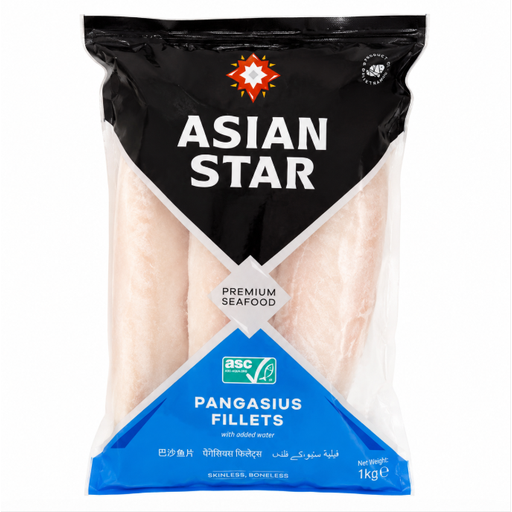
Asian Star White Pangasius Fillet, 1kg, 800g net
Consider these fillets as the fish component of a comfort dinner, with seasoning and sides chosen separately. Check the current pack for its fat figures and product-specific cooking method before deciding how it fits the meal.
 No image available
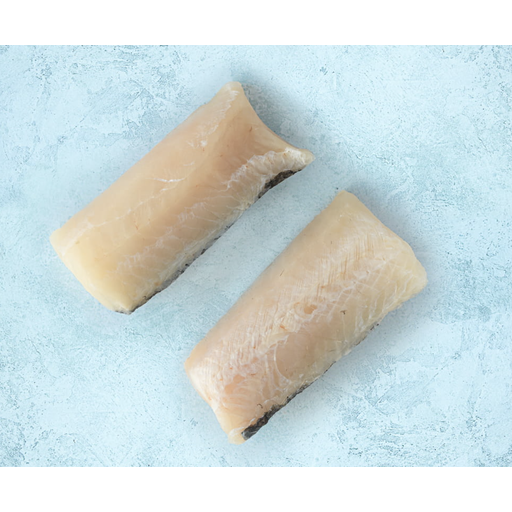
The Fish Society Wild Cape Hake Loin Steaks, 280g
These hake steaks offer a fish-centred dinner without choosing a breadcrumb-style product. Compare the pack’s fat and salt figures with other options, and follow its preparation instructions.
 No image available
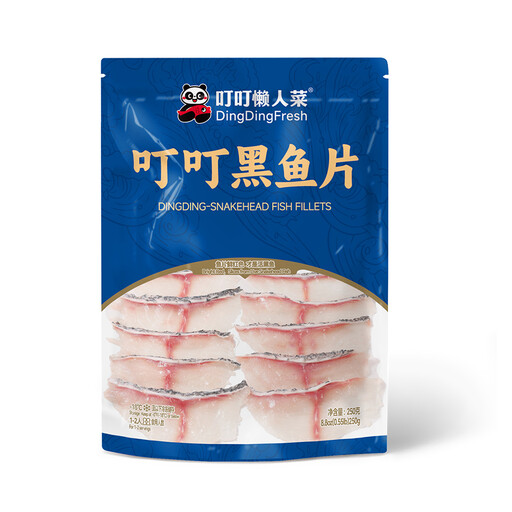
DingDingFresh Snakehead Fish Fillets, 250g
For a hot-pot or stir-fry style dinner, compare the current pack’s fat and salt figures with those of an unseasoned fillet. Follow its cooking instructions and cook thoroughly.
Questions about frozen fish
Which frozen fish should I start with for a lower-fat comfort dinner?
Start by comparing plain, uncoated white-fish fillets, then decide what sauce and sides to add. Tesco lists 0.5g fat per cooked haddock fillet, versus 7.3g for the checked Birds Eye breaded cod and 13g for the checked Birds Eye lightly dusted pollock; note that the fillets have different serving weights.
Does “lightly dusted” mean less fat than breaded?
No: it describes a coating style, not a reliable fat comparison. Tesco lists 13g fat per oven-baked fillet for the checked Birds Eye lightly dusted pollock and 7.3g for the checked Birds Eye breaded cod, so compare the exact packs and serving bases.
Can I cook every frozen fish product straight from the freezer?
No. Check the individual pack: some products give cook-from-frozen instructions, while others require thawing before cooking. Use its stated method and check that the fish is thoroughly cooked.
What allergens matter when choosing coated fish?
Read the current pack’s ingredient and allergen information, including for the coating and seasoning. The checked Birds Eye lightly dusted pollock contains wheat and mustard; the checked breaded cod contains wheat and mustard and may contain milk, alongside the fish allergen.


