Shoppers cooking fish from scratch
Plain fillets let you choose the seasoning, sauce or coating. Check the named species, pack weight and number of portions against the meals you have planned.


Choose plain frozen fillets if you want to season the fish yourself and use it in different meals. A coated product makes sense when you want that preparation done for you, but its ingredients and fish content differ from a plain fillet. If you are planning an oily-fish meal, consider salmon and follow the instructions on its particular pack.
Plain fillets let you choose the seasoning, sauce or coating. Check the named species, pack weight and number of portions against the meals you have planned.
Portioned or coated fish can reduce preparation. Check whether the exact product can be cooked from frozen, and read its ingredient and allergen declarations.
Salmon is an oily-fish option. The NHS advises including one oily-fish portion among at least two fish portions a week; check the pack size and handling instructions when planning that meal.
Start with the fish and portion format you will use, then check the ingredients and cooking directions for that exact pack.
| Priority | What to check | Your needs |
|---|---|---|
| Portions and format | Check the stated pack and net weights, number of pieces and named species. Compare plain fillets with other plain fillets before treating different formats as equivalent. | I want enough fish for the meals I have planned, without confusing a coated portion with a plain fillet. |
| Preparation | Check whether the pack specifies cooking from frozen or requires thawing. Follow its stated appliance and cooking instructions. | On a busy evening, I may prefer a product that needs no separate coating or defrosting. |
| Fish type | Check the named species rather than relying on the broad term “white fish”. Salmon is an oily fish; cod, haddock and pollock are white fish in NHS guidance. | If I am planning the oily-fish portion in the NHS weekly fish guidance, I need an oily-fish choice rather than another white-fish meal. |
| Ingredients | Read the fish percentage where declared and check the full ingredients and allergen statement on the exact coated product. Birds Eye lists cod at 54% in its cited breaded cod fillets, alongside wheat and mustard, with possible milk presence. | I want to know what is in the finished portion, especially when serving someone who needs to avoid a particular ingredient. |
| Storage | Check the frozen-storage and thawing directions, including any use-after-thawing instruction. Do not transfer directions from one fish product to another. | I need a pack that fits when I plan to cook it and how I can store it beforehand. |
Coating changes the ingredients and the proportion of fish in the finished product. Birds Eye lists cod at 54% in its cited breaded cod fillets and declares wheat and mustard, with possible milk presence.
Read the ingredients, fish percentage where stated and allergen declaration on the exact pack. Choose a plain fillet if you want to add your own coating or seasoning.
Instructions differ by product. Marks & Spencer directs buyers of its British Hake Fillets to defrost them in a refrigerator, use them within 24 hours and not refreeze them after thawing.
Read the storage and cooking directions before planning the meal, particularly if you intend to cook the fish straight from frozen.
These examples show why the exact product matters more than the retailer or brand name alone.
Tesco Groceries lists frozen basa fillets and Bay Fishmongers white-fish fillets.
Sainsbury's cited frozen-fish listings include white-fish fillets and salmon fillets.
Birds Eye's cited breaded cod fillets are a coated-fish example.
Young's describes its natural fish fillets as suitable for cooking straight from frozen.
Marks & Spencer provides product-specific information for its British Hake Fillets.
These options include plain fillets, salmon and a coated cod product. Compare their pack formats and preparation directions according to the meals you have planned.
 No image available
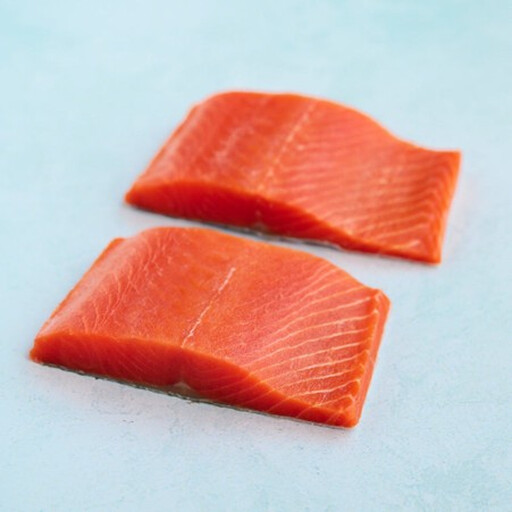
A frozen salmon option for a planned oily-fish meal. The pack is labelled 220g; check its thawing and cooking directions before use.
 No image available
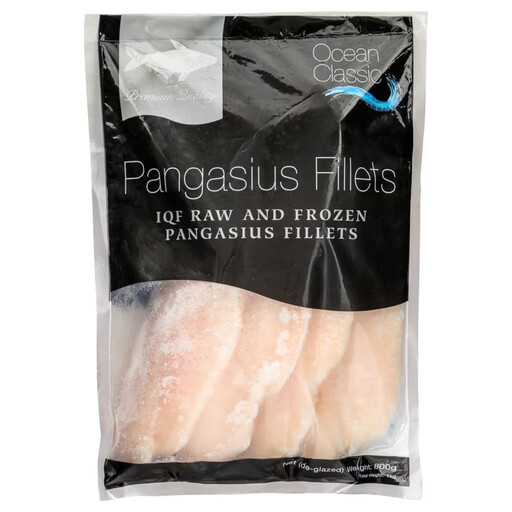
Plain pangasius fillets suit meals where you want to add your own seasoning. The title distinguishes 1kg total weight from 800g net weight; check the pack's thawing instructions.
 No image available
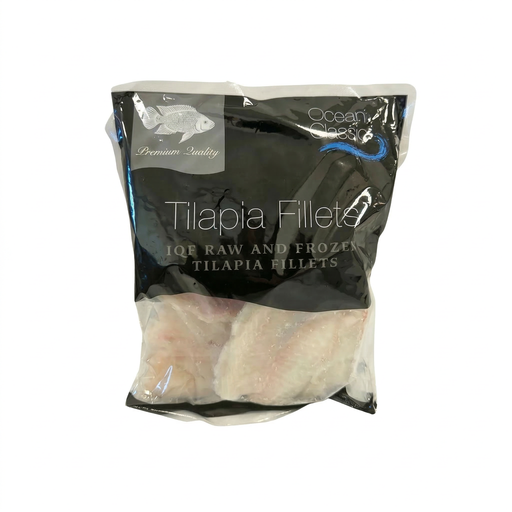
These plain tilapia fillets offer another fish choice for meals you prepare yourself. The title states 800g net weight and 1kg pack weight; follow the pack's handling directions.
 No image available
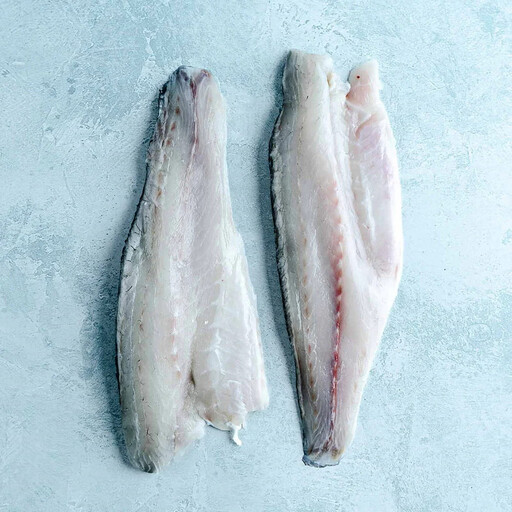
The named species and two-fillet, 240g pack make it possible to plan a small fish meal. Check the label for the specific storage and cooking directions.
 No image available
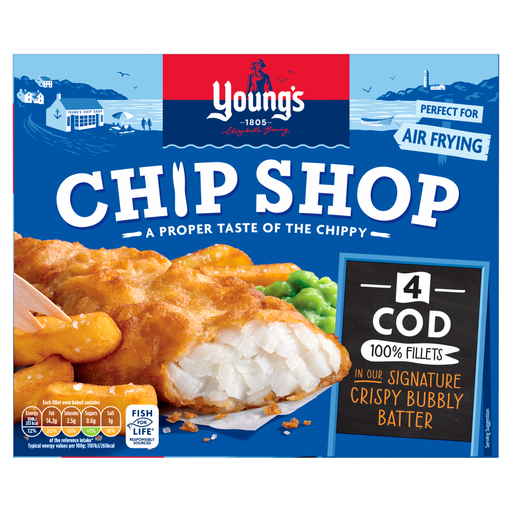
This coated cod option has four pieces in a 400g pack. It is not a plain-fillet equivalent; check the ingredients, allergens and cooking directions on the pack.
Check the named species, pack and net weights, portion count and whether the fish is plain or coated. Those details tell you what each pack contributes to your planned meals; frozen white fish, coated cod and salmon are not interchangeable formats.
Choose plain white fish when you want a fillet to season and prepare yourself; choose salmon when you are planning an oily-fish meal. The NHS advises at least two fish portions a week, including one oily-fish portion, and identifies cod, haddock and pollock as white fish.
Only when the exact product's instructions permit it. Young's describes its natural fish fillets as suitable for cooking straight from frozen, but appliance and preparation directions vary between products.
Read the ingredients and allergen declaration on every exact pack, especially for coated fish. Birds Eye's cited breaded cod fillets contain fish, wheat and mustard and may contain milk; the Food Standards Agency identifies fish as an allergen.
Follow the instructions for the product you have bought. Marks & Spencer directs buyers of its British Hake Fillets to defrost them in a refrigerator, use them within 24 hours and not refreeze them after thawing.