Large households comparing fat content
Plain and coated fish can have different nutrition figures. Check fat per 100g on a comparable cooking basis, then count the servings before deciding whether a pack covers dinner.


For a large family shop focused on reducing fat, start with plain frozen fish portions rather than assuming coated fillets have similar nutrition: Sainsbury’s lists 0.5g fat per 100g for its haddock portions and 0.7g per 100g for its white-fish fillets. Compare nutrition on the same preparation basis, then check how many portions the pack provides and whether its cooking instructions fit your plans.
Plain and coated fish can have different nutrition figures. Check fat per 100g on a comparable cooking basis, then count the servings before deciding whether a pack covers dinner.
Separate frozen portions let you plan how many fillets to cook. Sainsbury’s describes its haddock portions as individually frozen; check each pack’s cooking instructions before preparing them from frozen.
White fish and oily fish have different roles in the NHS’s general weekly fish guidance. Choosing plain white fish for one meal does not make it equivalent to an oily-fish portion.
Compare the nutrition basis first, then check whether the pack supplies enough portions and can be stored and cooked as planned.
| Priority | What to check | Your needs |
|---|---|---|
| Reading the label | Compare fat, saturates and salt per 100g on the same raw or cooked basis. Where shown, traffic-light colours describe the levels of these nutrients. | I want to use the label rather than judge fish by its name. In a 2024 Food Standards Agency and Ipsos Northern Ireland survey of 611 Northern Ireland adults, 49% said they actively used traffic-light labels when shopping for food. |
| Plain or coated | Check whether the fillets are plain, breaded or battered, and follow the stated cooking method. Coating and preparation affect which nutrition figures are comparable. | If reducing meal fat is my priority, I want to distinguish a plain fillet from a coated one before choosing a pack. |
| Portion coverage | Count the stated servings or fillets, then check pack weight and any stated net fish weight. Sainsbury’s lists approximately five servings for its 520g white-fish pack and approximately four for its 360g haddock pack. | Will one pack provide enough portions for everyone eating this meal? |
| Fish variety | Identify whether the fish is white or oily. NHS general guidance describes at least two fish portions a week, including one portion of oily fish. | I may choose white fish for this dinner while planning an oily-fish meal separately. |
| Storage and cooking | Follow the pack’s storage, thawing, cooking and refreezing instructions. GOV.UK advises keeping a freezer around -18°C. | I need a pack whose preparation instructions fit the time and freezer space available after a large shop. |
A plain fillet and a coated fillet may have different fat and salt figures. The fish species alone does not describe the finished product.
Compare the nutrition tables on the same per-100g and preparation basis, including fat, saturates and salt.
Pack weight does not tell you how many portions your household will serve. Sainsbury’s states approximately four servings for its 360g haddock pack and approximately five for its 520g white-fish pack.
Count servings or fillets against the number of diners before settling on a pack.
If one pack falls short, you will need to open another for the same meal.
Omega-3 information answers a different question from the total fat figure. Young’s breaded fish fillets list both omega-3 content and fat in their nutrition information.
Read the fat figure when comparing products for a lower-fat meal; consider oily fish separately when planning fish variety.
Preparation rules differ between packs. GOV.UK advises following the food’s freezing and defrosting instructions and keeping a freezer around -18°C.
Check whether your chosen fish can be cooked from frozen and whether its label prohibits refreezing after thawing.
These examples show how pack format and nutrition vary; they do not indicate which products are currently available on Joybuy.
Its plain frozen white-fish range includes packs with stated multi-portion formats.
Its Wild Icelandic Cod and British Hake products provide plain-fish options with product-specific nutrition information.
Its breaded cod offers a four-fillet coated format rather than a plain-fish option.
Its Breaded Omega 3 Fish Fillets provide a coated, four-serving format.
These Joybuy options are plain frozen fish in different pack formats. Compare their current nutrition labels and portion counts against the meal you are planning; this selection is not a comparison of coated products.
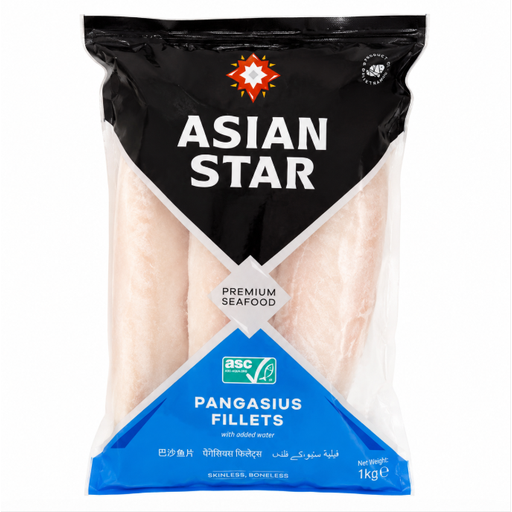 No image available
The stated 800g net fish weight is worth comparing with the number of portions needed for a family meal. Check the current pack’s fat and salt figures per 100g and its cooking instructions before choosing it.
 No image available
This plain-fish pack states 800g net fish; check how its portions cover your household meal. Its listing calls for refrigerator thawing before use, so allow for that when planning dinner, and compare fat per 100g on the current pack.
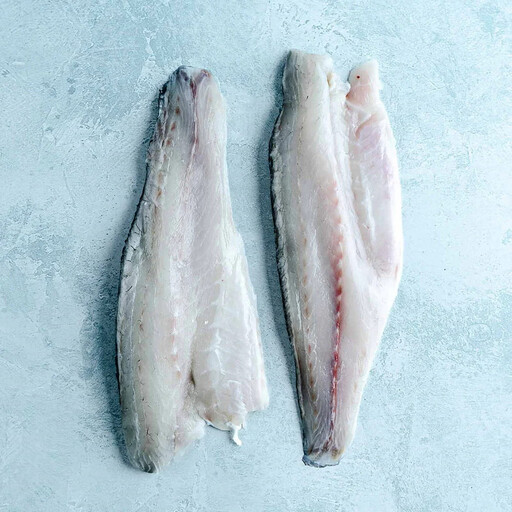 No image available
Two fillets totalling 240g may require another pack for a larger family meal. Check the current pack’s fat and salt figures before comparing its nutrition with other plain fish.
Read fat per 100g on each pack and make sure the figures use the same raw or cooked basis. Check saturates and salt too; where traffic-light labels appear, their colours describe the levels of fat, saturates, sugars and salt.
Not necessarily, but compare its nutrition with plain fish rather than assuming the figures are alike. Sainsbury’s lists 0.5g fat per 100g for its plain haddock portions; Tesco Groceries lists 7.3g fat for an oven-baked Birds Eye breaded cod fillet. Those figures use different serving bases, so check the packs before making a direct comparison.
Start with the pack’s stated servings or fillet count and the number of people eating. Sainsbury’s lists approximately five servings for its 520g white-fish pack and approximately four for its 360g haddock pack; weight alone does not tell you whether one pack suits your meal.
No. The NHS distinguishes white fish from oily fish in its general guidance, which describes at least two fish portions a week, including one portion of oily fish. Check the NHS’s specific oily-fish advice where pregnancy, breastfeeding or children are relevant.
Keep the freezer around -18°C, as GOV.UK advises, and follow the chosen pack’s storage, thawing and cooking instructions. Check whether it permits cooking from frozen and whether it prohibits refreezing after thawing; these instructions can differ between products.