Meal-service freezer stockers
People planning repeatable cooked meals who need portions they can allocate across meal rounds and serve with different sides or sauces. Check each product’s instructions before assuming it can be cooked from frozen.


For repeated meals, plain frozen fish fillets make a flexible core: you can vary the sauce and sides without changing the fish line. Add coated portions when a familiar, oven-cooked main dish is useful, but compare the exact packs for portion size, cooking directions, allergens, fat and salt before allocating meals.
People planning repeatable cooked meals who need portions they can allocate across meal rounds and serve with different sides or sauces. Check each product’s instructions before assuming it can be cooked from frozen.
People keeping a fish meal in reserve for a busy day. Some plain fillets and coated portions have cook-from-frozen instructions; the preparation method and nutrition information still need checking on the chosen pack.
People deciding where plain white fish, coated portions and an oily fish such as salmon fit into a wider menu, rather than relying on one frozen format for every fish meal.
Choose the role of each fish format first, then check whether its portions, preparation and pack information work for the intended meal round.
Choose when: You want to vary sauces and sides while keeping the fish itself plain.
Allow for: A plain fillet still needs thorough cooking and the rest of the meal assembled separately.
Choose when: A defined, familiar main dish that can be cooked from frozen suits the schedule; check that the chosen pack gives those directions.
Allow for: Coating changes what is in the portion. Sainsbury’s lists 23g fat and 2.3g salt per oven-baked Birds Eye Jumbo Battered Fish Fillet, so compare nutrition information for the exact product.
| Priority | What to check | Your needs |
|---|---|---|
| Portions and preparation | Compare net weight and portion count with the meals planned. Read the exact pack’s thawing, cooking and storage directions. | I need to know how many meals a pack can provide and whether its preparation fits the cooking schedule. |
| Menu flexibility | Distinguish plain fillets from breaded or battered portions. Check whether a different sauce or side will suit the chosen format. | Some days I want to change the accompaniments; on others, a ready-defined fish main dish is more useful. |
| Nutrition information | Read fat and salt on the stated per-serving or per-100g basis before comparing packs. If planning oily fish too, identify the species on the label. | I want to understand what each portion contains rather than treat plain and coated fish as interchangeable. |
| Allergens and bones | Check the exact ingredient and allergen declaration, any cross-contact information and any bone warning. Do not assume two fish products have the same ingredients. | Before allocating a meal to someone else, I need the pack information relevant to that person’s requirements. |
| Freezer storage | Check the labelled storage temperature and refreezing instructions, and whether the intended quantity fits the available freezer space. | There must be room to store the planned stock under its stated conditions until it is used. |
Coated portions and plain fillets leave different choices for the rest of the meal. For example, Sainsbury’s lists 23g fat and 2.3g salt per oven-baked Birds Eye Jumbo Battered Fish Fillet; those figures describe that product, not every coated fish portion.
Keep a plain-fillet option if you need to choose the seasoning, sauce and sides separately, and read the nutrition panel when selecting a coated portion.
Storage instructions differ by product. The cited Joybuy Birds Eye fish fingers and M&S British Hake Fillets both instruct customers not to refreeze after thawing.
Keep each product under its labelled frozen-storage conditions and plan preparation around the directions on its own pack.
A category listing identifies a type of fish, but it does not establish that the same pack will suit every meal round or recipient.
Confirm the exact product, portion count, ingredients and local availability before assigning it a regular place on the menu.
Coated fish is a relevant Birds Eye option when a defined main dish suits the meal plan.
Young’s natural-fish range is relevant when a plain fillet is needed for different meal combinations.
Tesco’s frozen-fillet listings provide species choices for a plain-fish freezer line.
Sainsbury’s listings illustrate both plain and coated frozen-fish options.
M&S lists frozen-fish formats including lightly dusted haddock and British hake fillets.
These options include plain fillets, a coated cod format, sliced fish and salmon steaks. Check each pack’s preparation directions and serving yield against the meals planned.
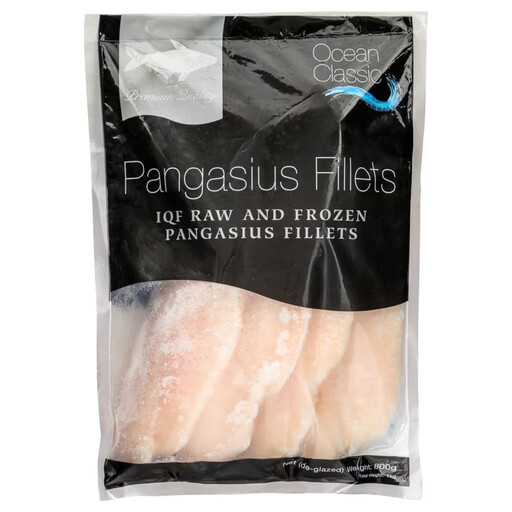 Image unavailable
Plain fillets offer a fish base for meals with different sides or sauces. The product name states 1kg total weight and 800g net; check the usable portion yield for the planned meals. The product information calls for thawing in the refrigerator before cooking and says not to refreeze after thawing.
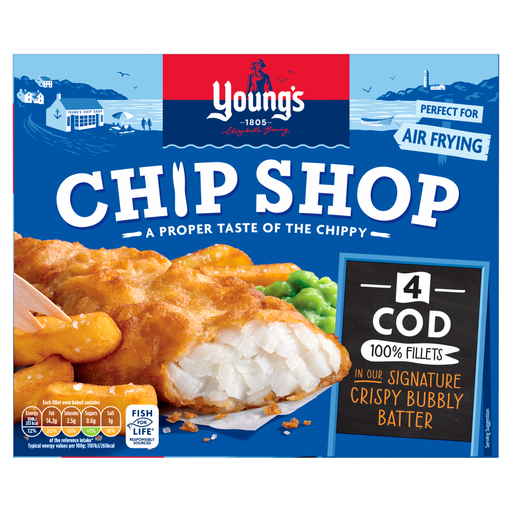 Image unavailable
Four coated cod fillets provide a defined portion count for a familiar plated meal. The product information calls for cooking from frozen and lists fish, wheat and mustard among the allergens; check the exact pack and cook until piping hot throughout as directed.
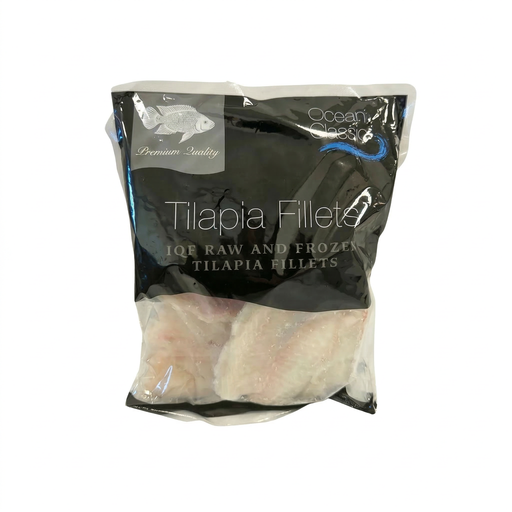 Image unavailable
These plain frozen fillets are an option for meals assembled with different accompaniments. The name states 1kg total weight and 800g net; check the fillet sizes when planning servings. The product information calls for thawing before cooking and says not to refreeze once defrosted.
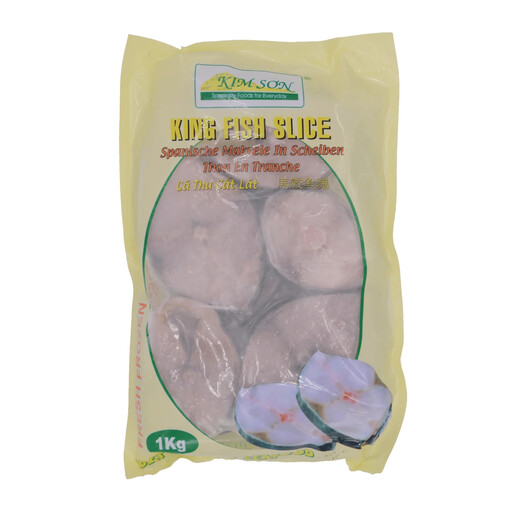 Image unavailable
The sliced format can be considered for cooked fish dishes when individual fillets are not required. Check how many servings the 1kg pack will provide. The product information warns that small bones may be present and calls for thorough cooking.
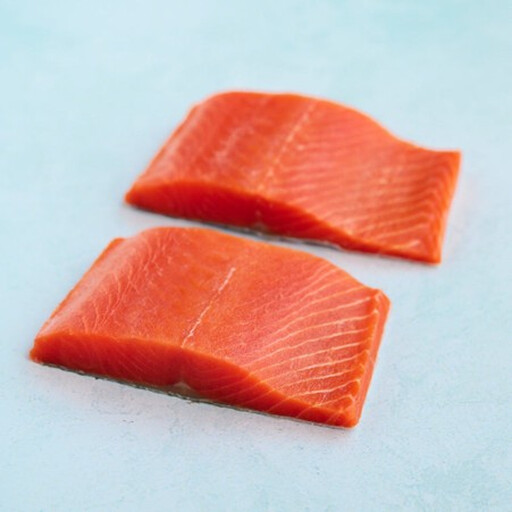 Image unavailable
Salmon provides an oily-fish option for a wider menu. The product information describes two skin-on steaks in the 220g pack and calls for thawing before cooking. Check the exact pack for the stated possible crustacean and mollusc cross-contact.
A plain frozen-fillet line gives you flexibility over sauces and sides, while a coated-portion line provides a more defined main dish. Check the portion count and cooking directions of each pack before assigning either to a meal round.
Some products can: Young’s says its natural fish fillets cook from frozen, and the cited Birds Eye Jumbo Battered Fish Fillets have oven-cooking directions from frozen. Follow the exact pack rather than applying one product’s method or cooking time to another.
Check the ingredients, allergens, portion size, and fat and salt on the stated nutrition basis. Sainsbury’s lists 23g fat and 2.3g salt per oven-baked Birds Eye Jumbo Battered Fish Fillet; those figures cannot be applied to other coated products.
Follow the exact product instructions. The cited M&S British Hake Fillets and Joybuy-listed Birds Eye fish fingers say not to refreeze after thawing, so plan their portions and preparation accordingly.
Check each exact pack for allergens, possible cross-contact, bone warnings, frozen-storage conditions and cooking directions before allocating it to a meal. For example, Joybuy’s Birds Eye cod fish-finger listing declares fish and wheat; that declaration does not describe every frozen-fish product.