Cooking for one with minimal preparation
Young's Meals for One range includes a fish dinner with potatoes and vegetables. Check the exact meal’s ingredients and nutrition label if you would rather avoid preparing separate sides.


Choose a frozen meal for one when you want fish and its accompaniments in a single pack; choose plain fillets when you would rather decide on the sides and sauce yourself. Coated fillets offer another way to cook fish from frozen where the exact pack permits it, but check the fillet count, ingredients, cooking method and storage directions before deciding which format suits one or two diners.
Household size helps narrow the format, but the useful distinction is whether you want a complete supper or fish you can combine with other ingredients.
Young's Meals for One range includes a fish dinner with potatoes and vegetables. Check the exact meal’s ingredients and nutrition label if you would rather avoid preparing separate sides.
Plain frozen fillets let you choose the vegetables, sauce and number of pieces for each meal. Check the pack weight and fillet count: a bag of fish is not necessarily divided into the portions you want.
Coatings and sauces can introduce ingredients beyond the fish itself. Read the exact pack’s allergen and possible-bones warnings, then make sure its thawing and cooking directions fit how you plan to prepare it.
Start with the kind of supper you want, then check the pack details that determine whether it works for one or two people.
Choose when: You want fish and accompaniments together rather than planning separate sides.
Trade-off: A complete meal leaves less room to change the sauce, vegetables or portion than a plain fillet.
Choose when: You want to build different meals around the fish or choose your own coating and sides.
Trade-off: You will need to prepare the rest of the meal and follow the fillets’ own thawing or cooking instructions.
Choose when: You want a breaded or battered fish supper and the pack gives directions for your appliance.
Trade-off: Coating changes the ingredients and allergen information, so compare the exact product with an uncoated fillet rather than treating them as equivalent.
| Priority | What to check | Your needs |
|---|---|---|
| Portions | Read the net weight and stated fillet count. Check whether the pack is a complete meal or fish to serve with other ingredients. | If I’m cooking for one, will I use the rest of the pack? For two, can I plan the number of fillets without assuming each piece is a serving? |
| Preparation | Check whether the exact product cooks from frozen or requires thawing. Match its oven, hob or air-fryer directions to the appliance you intend to use. | I’d like to cook without defrosting first, so I need directions that explicitly allow it for this pack. |
| Ingredients | Compare plain, coated and sauced products by their ingredient lists and nutrition information per 100g and per serving. Read the allergen declaration. | How much of the meal do I want to assemble myself? If a coating or sauce matters to my choice, I’ll compare the full product, not just the fish species. |
| Fish type | Identify the species rather than relying on a claim on the front of the pack. NHS advice distinguishes an oily-fish portion within its guidance to eat fish weekly. | I want to know whether this purchase is the oily-fish option I planned, or a different kind of fish for another meal. |
| Safe use | Read the freezer, thawing and cooking directions for that product. Look for possible-bones warnings as well as allergens. | Before I buy, I need to know whether I can store and prepare the fish as directed, particularly if I’m choosing it for someone else. |
A bag of fillets and a complete fish dinner answer different needs. A larger pack is useful only if its portions fit the meals you intend to make.
Check the fillet count and net weight, and look for a clearly labelled single-person meal if you do not want to prepare sides.
The coating changes what is in the product. Birds Eye’s cited breaded cod, for example, needs to be assessed as breaded cod, not as an uncoated fillet.
Read the complete ingredient, allergen and nutrition panels, using the same per-100g basis when comparing products.
NHS guidance calls for an oily-fish portion as part of its weekly fish advice. A pack labelled as cod or another white fish should not be selected on the assumption that it is oily fish.
Check the species when choosing fish for that purpose; salmon and mackerel are examples identified as oily fish in the supplied NHS guidance.
Frozen fish products differ: some have cook-from-frozen directions, while the M&S British Hake Fillets directions call for refrigerator defrosting and use within 24 hours.
Follow the directions and possible-bones warning on the pack you buy. Do not apply another product’s cooking method or refreezing instructions to it.
These ranges illustrate formats worth comparing; a brand name alone does not tell you the portion size or preparation method of an individual product.
Young's has a Meals for One range; its Salmon Fillet Dinner pairs fish with potatoes, carrots and peas.
Birds Eye’s cited cod fillets are breaded and have oven-baking directions from frozen.
Tesco’s frozen fish and seafood category separates formats including fish fillets and coated fish.
M&S lists frozen fish fillets and gives product-specific directions for its British Hake Fillets.
These options cover plain fillets, salmon, a prepared single steak and battered cod. Compare their pack sizes and preparation directions against the kind of meal you want to make.
 No image available
A plain fish base for meals with your choice of sides. Check the fillet count before planning portions for one or two, and follow the pack’s refrigerator-thawing directions.
 No image available
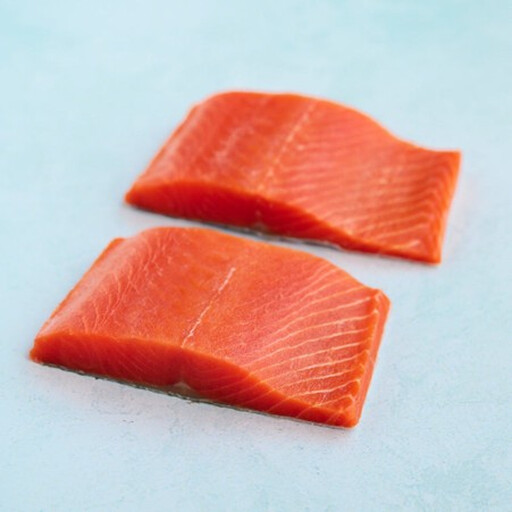
A salmon option if you are planning an oily-fish meal. Check how the steaks and stated pack weight fit the number of diners, then follow the pack’s thawing and allergen information.
 No image available
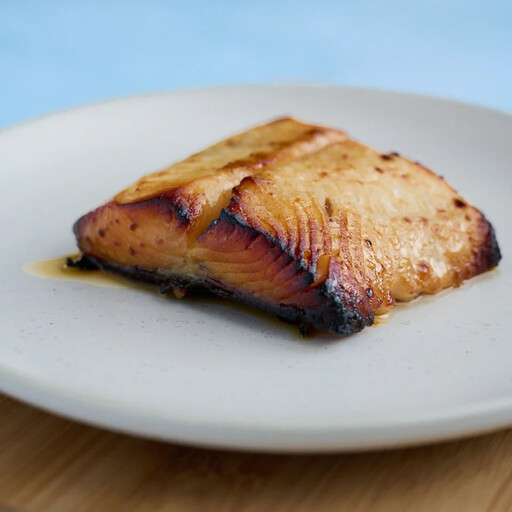
The stated one-steak pack is straightforward to account for when planning a fish supper for one, though it is marinated rather than plain fish. Check the ingredient and allergen label, and follow the pack’s defrosting and cooking directions.
 No image available
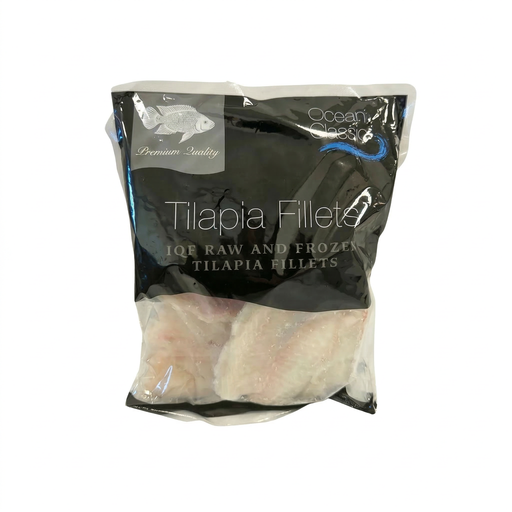
These plain fillets leave the choice of sides and sauce to you. Check the number of fillets before dividing the pack into meals; the product directions call for thawing before cooking and say not to refreeze after defrosting.
 No image available
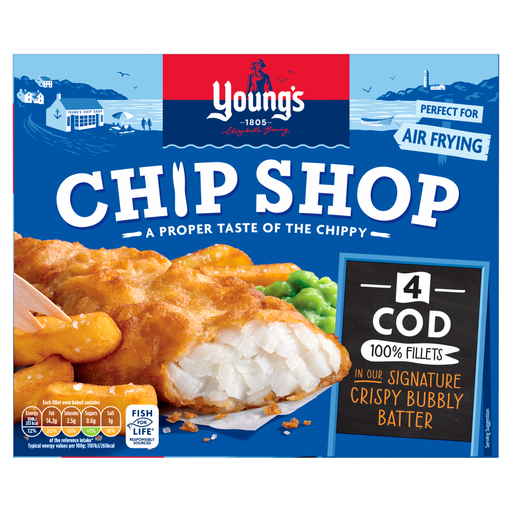
A four-fillet battered option if you want fish to cook from frozen in the oven. Check whether that count fits your planned meals, read the coating’s allergen and possible-bones warnings, and confirm directions on the pack if you intend to use an air fryer.
Not necessarily: it depends on the exact product. Birds Eye’s cited breaded cod has oven directions for cooking from frozen, while M&S directs shoppers to defrost its British Hake Fillets in a refrigerator. Follow the pack you buy rather than transferring one method to another.
Follow that product’s storage directions. For its British Hake Fillets, M&S says to defrost in a refrigerator, use within 24 hours and not refreeze after thawing; those timings should not be assumed for every frozen fish pack.
No: white fish and oily fish are distinct categories in the supplied NHS guidance. If you are choosing fish for the NHS-advised weekly oily-fish portion, check the named species rather than relying on another claim on the front of the pack.
Read the current ingredient, allergen and possible-bones statements for the exact product. A breaded fillet can contain ingredients that an uncoated fillet does not, and a fish product may warn that bones remain.
Food Standards Agency guidance notes that older adults can be more susceptible to foodborne illness. Frozen fish is not ruled out by age; choose a product whose storage and preparation directions you can follow, and cook it as the pack instructs.