Fish-and-chips-style supper shoppers
Coated fillets suit an oven-cooked winter supper. Check the named fish, fish content, allergens and nutrition on the particular pack: a premium range name does not tell you what is beneath the coating.


Choose premium frozen fish when its species, cut or preparation genuinely suits the meal, rather than relying on the range label. Plain fillets give you control over a pie, curry or traybake; coated fish offers a simpler fish-and-chips-style supper, while a Wellington or fish pie provides more of a ready-prepared shared meal but less flexibility.
Coated fillets suit an oven-cooked winter supper. Check the named fish, fish content, allergens and nutrition on the particular pack: a premium range name does not tell you what is beneath the coating.
A salmon Wellington, salmon en croûte or fish pie provides a more prepared format for guests or a weekend meal. Check the number of servings and what else you will need to put on the table.
Plain fillets or loins leave room to choose your own sauce, seasoning and accompaniments for a pie, curry or traybake. If fish type matters to your plan, check the species rather than assuming all frozen fillets serve the same purpose.
Choose when: You want to make your own pie, curry, chowder or traybake.
Bear in mind: You will need to add the seasoning, sauce and accompaniments yourself.
Choose when: An oven-ready, fish-and-chips-style supper matters more than recipe flexibility.
Bear in mind: The batter, breadcrumbs or dusting add ingredients that need checking separately from the fish.
Choose when: A Wellington, en croûte or fish pie fits a shared meal with less preparation.
Bear in mind: Pastry, sauce or seasoning leaves less scope to adapt the dish for different diners.
| Priority | What to check | Your needs |
|---|---|---|
| Fish and cut | Read the named species and cut. Check whether the pack contains fillets, loins or a prepared fish dish. | I want a fish ingredient that will work in my planned pie, curry or traybake, not a prepared format I cannot easily change. |
| Coating | Check the fish percentage where declared, coating ingredients and cooking instructions. Sainsbury’s lists 60% cod in its Taste the Difference beer-battered cod. | For a quick coated-fish supper, I want to know how much of the product is fish and whether its batter suits everyone eating it. |
| Meal format | Compare pack weight, stated servings and whether pastry, sauce or other meal components are included. | A shared dinner calls for enough portions; on another night, I may prefer fillets I can use across several recipes. |
| Nutrition | Compare the per-100g nutrition panels for the exact products. The Sainsbury’s beer-battered cod listing gives 13.4g fat and 0.80g salt per 100g. | If I am comparing plain and coated fish, I want to assess the complete products rather than judge them by the fish species alone. |
| Preparation and allergens | Check whether the product must be thawed, its stated cooking method and the current pack’s ingredients and allergen advice. | I need a method that fits the time and equipment available, and an ingredient list suitable for the people at the table. |
Premium ranges include plain cuts, coated fillets and prepared meals. Their ingredients and nutrition are not interchangeable.
Compare the species, cut, declared fish percentage, servings and nutrition panel. Choose the format for what it contributes to your intended meal.
Coatings and sauces can contain allergens beyond fish. Sainsbury’s beer-battered cod lists wheat and barley; Young’s issued a December 2025 recall notice concerning undeclared mustard in certain Gastro Signature Breaded Lemon & Pepper Fish Fillets.
If allergies or intolerances matter, read the current pack’s ingredients and allergen advice and check relevant current recall information.
UK Food Standards Agency guidance sets parasite-control requirements for fishery products intended to be eaten raw, subject to specified exemptions. A product labelled for cooking from frozen should not be treated as a raw-fish product.
Follow the pack’s preparation instructions. For sushi or sashimi, use fish only where the supplier explicitly confirms that it is intended for raw consumption.
These ranges illustrate different formats to compare; a range name alone does not establish that a particular pack fits your meal.
Young’s offers natural frozen fillets as well as Gastro coated, marinated and prepared fish dishes.
Birds Eye’s frozen-fish ranges include coated classics and Captain’s Discoveries flavoured fillets.
Tesco lists Finest frozen-fish formats including Salmon Wellington and skinless, boneless cod loins.
Sainsbury’s lists frozen beer-battered cod fillets in its Taste the Difference range.
M&S lists frozen options including Collection salmon en croûte, cod loins and fish pie.
These options cover coated fish for a quick supper, an individually portioned marinated steak, salmon steaks and plain basa fillets for home cooking. They are different meal formats, not interchangeable versions of a prepared shared centrepiece.
 No image available
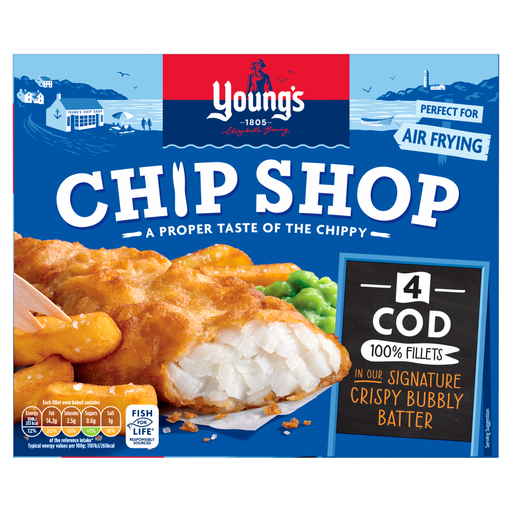
Four coated cod fillets for a fish-and-chips-style supper. Check the current pack’s oven-from-frozen instructions and allergen advice; the product information identifies wheat and mustard and warns that some bones may remain.
 No image available
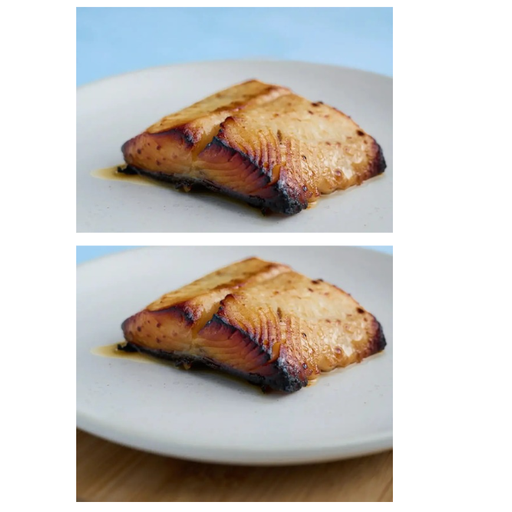
An individually portioned marinated steak for a fish dinner rather than a complete prepared meal. The product information says to defrost it before cooking; check the pack for cooking directions and allergen advice, including soy.
 No image available
A ten-finger coated-fish pack for a low-preparation meal. Check the current pack for cooking time and allergen advice; the product information identifies wheat and warns that some bones may remain.
 No image available
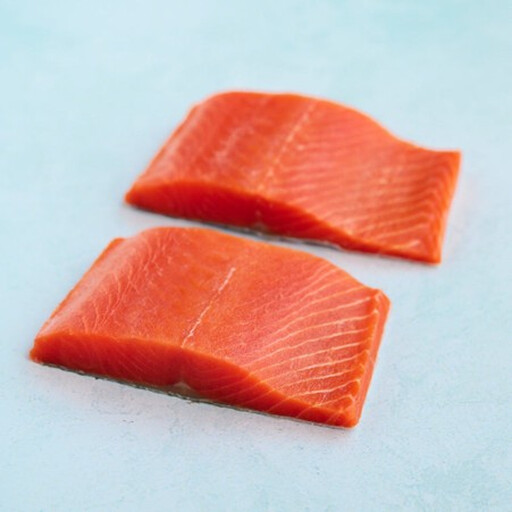
Salmon steaks for a home-cooked dinner with your own accompaniments. The product information describes them as skin-on and advises thawing before cooking; check the pack’s preparation and allergen advice.
 No image available
Plain basa fillets for dishes such as soups or curries, where you choose the seasoning and other ingredients. The product information says the stated 800g fillet amount includes ice and instructs shoppers to thaw the fish in the fridge before use.
Consider it when the pack provides a species, cut or prepared meal format you will use. Check its servings and fish content where declared, and whether you want to make the sauce and accompaniments yourself or buy a more assembled dish.
Choose plain fillets for control over seasoning and the finished recipe; choose battered fish when a coated, oven-cooked supper suits the occasion. Compare the exact packs’ fish content, cooking directions, ingredients and nutrition: Sainsbury’s beer-battered cod, for example, lists 60% cod and contains wheat and barley.
The NHS identifies salmon as oily fish and cod, haddock and pollock as white fish. Its general guidance describes a fish portion as around 140g and advises two portions a week, including one of oily fish; advice differs for children and for people who are pregnant or breastfeeding. Choose the species and pack format that fit the meal you are making.
Do not assume it can. UK Food Standards Agency guidance specifies parasite-control freezing treatment for fishery products intended to be eaten raw, subject to exemptions. Use fish for a raw dish only when the supplier explicitly confirms it is intended for that use.
Read the current pack’s ingredients and allergen advice, including those for coatings, marinades and sauces. Sainsbury’s beer-battered cod lists wheat and barley, while a Young’s recall notice issued in December 2025 concerned undeclared mustard in certain Gastro Signature Breaded Lemon & Pepper Fish Fillets. Check relevant current recall information as well as the pack.