Protein-focused meal planners
Plain frozen fillets give you a fish base without a coating. Compare protein per 100g on the exact pack, then check the portion you intend to cook.


For a protein-focused meal, start by comparing the exact pack’s protein per 100g and its stated preparation basis, rather than treating every frozen fish product alike. Plain white fish is a lower-fat route, salmon adds an oily-fish option, and coated fish calls for a separate check of its fish content, carbohydrate, fat and salt.
Plain frozen fillets give you a fish base without a coating. Compare protein per 100g on the exact pack, then check the portion you intend to cook.
Plain white fish is worth considering when fat and calories matter alongside protein. Asda’s coley declaration lists 23g protein, 1.7g fat and 113kcal per 100g; Marks & Spencer’s cod lists 16.2g protein, 1.2g fat and 76kcal per 100g.
Frozen salmon offers a protein-containing oily-fish choice. If you are pregnant or trying to conceive, take account of the specific UK advice on oily-fish portions when planning how often to eat it.
Compare labels on the same per-100g basis first, then check how the stated serving size and cooking method apply to your meal.
| Priority | What to check | Your needs |
|---|---|---|
| Protein | Read protein per 100g on the exact product. Check whether the figure is for fish as sold, cooked or prepared before comparing labels. | I want the fish to contribute a known amount of protein to my meal, not just a large-looking portion. |
| Fish content and portion | Check the ingredient list and fish percentage on coated products. Compare pack weight and stated serving size before using a per-serving figure. | A plain fillet and a breaded portion serve different purposes; I want to know how much of what I cook is fish. |
| Fat and carbohydrate | Compare calories, fat and carbohydrate per 100g alongside protein. Account for the stated cooking method and anything you add during preparation. | When planning the rest of the meal, I need to know what comes with the protein in a plain, oily or coated product. |
| Fish type | Identify the species. The NHS describes white fish as low in fat and oily fish as providing more long-chain omega-3; use exact-product omega-3 figures only where declared. | I might choose salmon to include oily fish, or white fish when a lower-fat fish base matters more. |
| Salt | Read salt per 100g and for the portion you will eat, particularly for smoked, seasoned or coated fish. | If salt matters in my meal plan, I do not want the protein figure to distract me from it. |
| Preparation | Follow the exact pack’s storage, defrosting and cooking directions. GOV.UK food hygiene guidance says to defrost food in the fridge unless the manufacturer instructs you to cook it from frozen. | I need a product whose preparation instructions fit when I plan to cook it. |
Labels can differ substantially: Asda lists 23g protein and 1g carbohydrate per 100g for its plain coley, while the Young’s breaded pollock listing at Asda gives 10.9g protein and 20.8g carbohydrate per 100g.
Compare the same per-100g nutrition fields, then check the ingredients and fish percentage before choosing a coated format.
Pack serving counts and nutrition bases differ, so two stated portions need not contain comparable amounts of fish or protein.
Start with protein per 100g, then use the pack’s weight, serving information and preparation basis to assess your intended portion.
Asda declares 0.77g salt per 100g poached for its smoked basa, while the Young’s breaded pollock listing at Asda declares 1.2g per 100g. Those figures describe specific products, not every smoked or breaded fish.
Check salt per 100g and for the portion you plan to eat.
Some packs give cook-from-frozen instructions; others require defrosting. Using another product’s method may leave you following the wrong directions.
Use the exact pack’s instructions. Where defrosting is required, GOV.UK food hygiene guidance specifies defrosting in the fridge.
These examples show why the format and the exact product label matter more than a brand name alone.
Asda’s sampled own-label products include plain coley and smoked basa.
Sainsbury’s sampled frozen salmon fillets provide an oily-fish option.
The sampled Marks & Spencer products include plain cod fillets and battered cod.
Young’s sampled breaded Alaska pollock is a coated frozen-fish format.
Birds Eye offers coated frozen fish, including the sampled cod fillets in breadcrumbs.
Tesco Groceries lists own-label plain fish alongside branded coated products in its frozen fish-fillets category.
These Joybuy options are uncoated whole fish, slices or fillets for meals built around fish. Check each pack’s protein declaration and preparation directions; the options do not represent the salmon and coated-fish routes discussed above.
 No image available
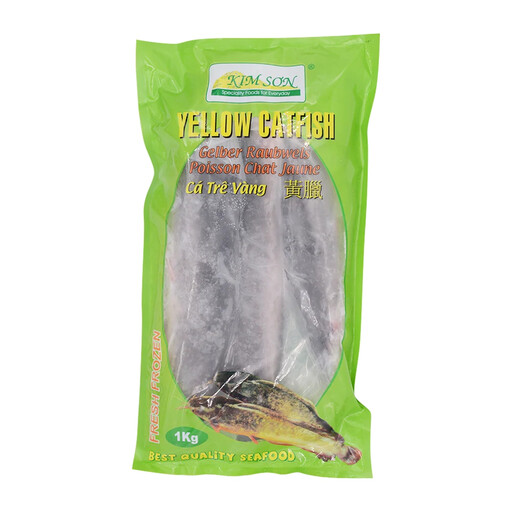
This whole-fish option suits a meal planned around cooking and portioning the fish yourself. Check the pack’s protein and preparation basis when comparing it with fillets, and cook it thoroughly.
 No image available
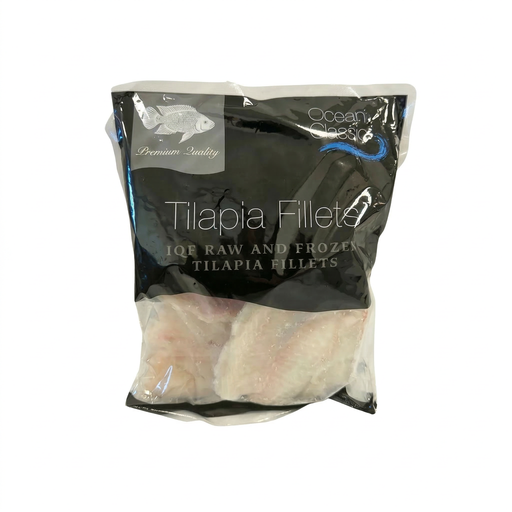
These individual quick-frozen (IQF) fillets offer a plain-fillet format. Use the 800g net weight when planning portions, and follow the thaw-before-cooking instruction.
 No image available
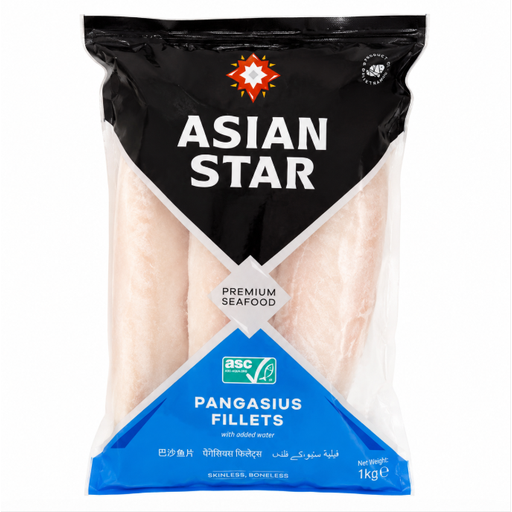
This fillet format is an option when you want fish without a coating. Use the stated 800g net weight rather than the 1kg pack weight when planning how much fish to cook, and check the exact pack’s protein and salt figures.
 No image available
The skinless, boneless fillet format may suit meals where you want less preparation before cooking. Plan portions using the pack’s stated weight basis; the instructions call for refrigerator thawing and thorough cooking.
 No image available
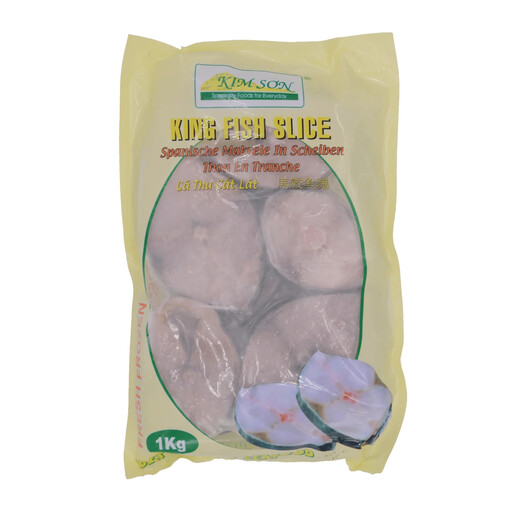
Pre-sliced fish may suit meals planned around separate fish pieces. Check the pack’s protein figure and its preparation basis for your intended portion, follow its thawing directions and cook thoroughly.
Start with protein per 100g on the exact frozen-fish pack, including whether the value applies as sold or after cooking. Then check serving size, calories, fat, salt and ingredients: Asda’s plain coley declares 23g protein per 100g, while the Young’s breaded pollock listing at Asda declares 10.9g per 100g.
Choose salmon if you want an oily-fish option as part of your protein-focused meals; consider white fish if a lower-fat fish base is the priority. The NHS describes white fish as low in fat and oily fish as providing more long-chain omega-3, but compare the nutrition basis and portion on the products you are considering.
Cook it from frozen only when that product’s instructions say to do so. GOV.UK food hygiene guidance says food should otherwise be fully defrosted before cooking and specifies the fridge for defrosting; follow the pack’s cooking directions afterwards.
Yes. Current UK advice cited in the GOV.UK Committee on Toxicity’s December 2025 summary limits oily fish to two portions a week for women who are pregnant or trying to conceive. The same advice says to avoid shark, swordfish, marlin, raw shellfish and uncooked cold-smoked or cured fish, and to limit tuna steaks to no more than two a week.
Yes, but use its own label rather than a plain fillet’s figures to plan the meal. The Young’s breaded pollock listing at Asda declares 50% fish and 10.9g protein per 100g; Marks & Spencer’s battered cod declares 12.2g protein per 100g. Check carbohydrate, fat and serving size alongside protein.