What should you check?
Compare the nutrition basis first, then use the ingredients, fish format and cooking directions to decide which product fits the meal you plan to make.
| Priority | What to check | Your needs |
|---|
| Protein comparison |
Read protein per 100g and whether it refers to fish as sold or after preparation. For a like-for-like cooked comparison, Sainsbury’s lists 25.6g for its oven-cooked salmon and 23.8g for its oven-cooked haddock per 100g. |
I want to compare the protein in the food I will serve, rather than rely on the pack’s presentation. |
| Fish type |
Check the species, then read fat and any declared omega-3 values alongside protein. Sainsbury’s oven-cooked salmon lists 3.4g fat per 100g; its oven-cooked haddock lists 0.5g. |
Oily fish may matter to me, or I may prefer a white-fish portion with a lower stated fat value. |
| Coating and ingredients |
Distinguish plain fillets from formed or battered fish. Birds Eye lists cod as 54% of its battered cod product; Sainsbury’s lists 50% Alaska pollock for Young’s battered fillets. |
I like the convenience of coated fish, but I want to know how much of the portion is fish and how its nutrition compares. |
| Portions and preparation |
Check net weight, any stated ice glaze, bone information and the exact pack’s storage and cooking directions. Read sourcing or certification wording for the particular product rather than assuming it applies across a brand. |
I need portions that suit my recipe and instructions I can follow with the equipment and time available. |
Relevant brand examples
These examples describe particular products and ranges, not every frozen-fish product made or sold by each brand.
Sainsbury’s
Its plain frozen salmon and haddock product pages give nutrition per 100g after oven cooking.
- The salmon page lists 25.6g protein and declared omega-3 values per 100g; the haddock page lists 23.8g protein and 0.5g fat per 100g.
- The haddock page describes an ice glaze, so check the pack’s weight and preparation information when planning portions.
Tesco
Its frozen cod product page describes skinless, boneless fillets in a protective ice glaze.
- Tesco lists 20.8g protein and 0.6g fat per 100g when cooked according to its instructions, and states that the fishery is MSC certified.
- Use the current pack label for the nutrition and cooking directions of the cod you purchase.
M&S
Its Wild Icelandic Cod Fillets page gives typical nutrition values per 100g and describes the product as raw fish that must be cooked.
- M&S lists 16.2g protein and 1.2g fat per 100g for this product.
- Check the nutrition basis before comparing those typical values with another product’s after-cooking figures.
Young’s
Young’s offers both a Natural Fish Fillets range and battered fish products, which serve different cooking preferences.
- Young’s says its Natural Fish Fillets range can be cooked straight from frozen.
- For its Chip Shop Omega 3 battered pollock, Sainsbury’s lists 10.5g protein, 12.7g fat and 16g carbohydrate per 100g after oven baking.
Birds Eye
Its battered cod is a coated option rather than a plain fish fillet.
- Birds Eye identifies cod as 54% of its 4 Large Cod Fillets in Batter product.
- Check the full nutrition panel before comparing a battered portion with plain cod; fish percentage alone does not establish its protein value.
Frozen fish options on Joybuy
These options include frozen chunks, slices and fillets for different cooked dishes, plus a salmon product labelled for sashimi. Compare each pack’s nutrition basis and preparation directions before choosing; a sashimi label alone is not a substitute for checking raw-use instructions.
 No image available
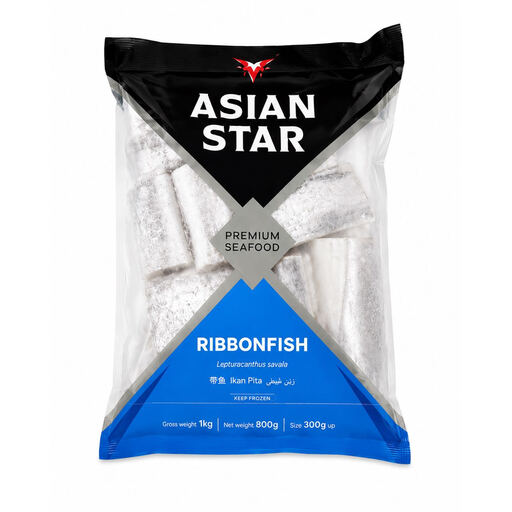
ASIAN STAR Frozen Ribbonfish Chunks 1kg (800g Net)
These chunks suit a cooked dish where you can check for bones when serving. The product information describes the cuts as bone-in and calls for thawing before preparation; check the pack’s nutrition basis before comparing its protein figure with cooked-per-100g values.
View on Joybuy
 No image available
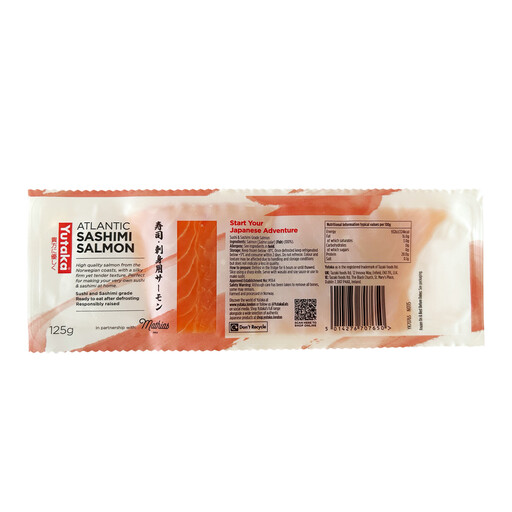
Yutaka Atlantic Sashimi Salmon 125g
If you are choosing salmon for a protein-focused meal, check the pack’s preparation basis before comparing its nutrition with cooked fillets. If you intend to eat it raw, confirm the product-specific handling and raw-use directions rather than relying on “sashimi” in the name.
View on Joybuy
 No image available
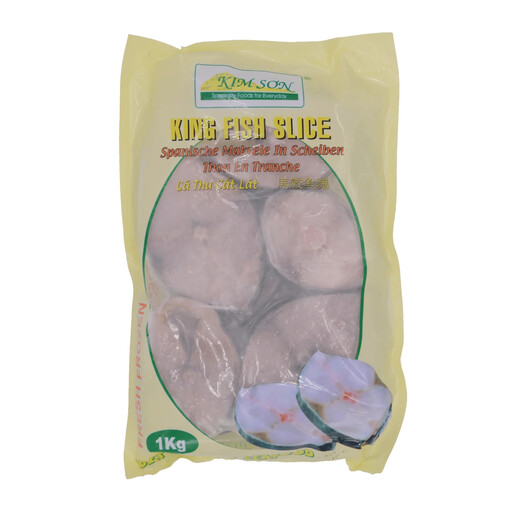
Kim Son King Fish Slice 1kg
The sliced format may suit a cooked fish dish. Cook it thoroughly and check for small bones; before comparing its per-100g nutrition with other fish, check what preparation method “as prepared” refers to on the pack.
View on Joybuy
 No image available
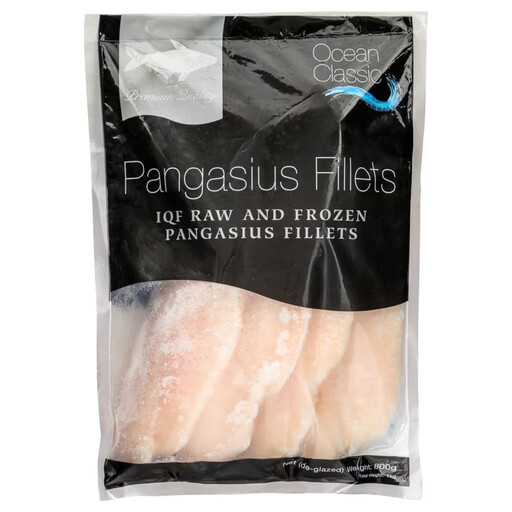
Ocean Classic Pangasius Fillets, Skinless & Boneless IQF 170/200g, 1kg (800g Net)
The individually quick-frozen fillets offer a portion format to consider for cooked meals. Check the 800g net-weight wording and the pack’s nutrition preparation basis before comparing it with other frozen fillets.
View on Joybuy
Frozen fish questions
How do plain and battered frozen fish compare for protein?
Compare protein per 100g on the same preparation basis. Sainsbury’s lists 25.6g for its oven-cooked plain salmon and 23.8g for its oven-cooked plain haddock, compared with 10.5g for its oven-baked Young’s battered pollock. Those are specific products, not values for every plain or battered fish.
Should I choose salmon or white fish?
Choose according to the nutrition and species you want in the meal. Sainsbury’s oven-cooked salmon lists 25.6g protein, 3.4g fat and declared omega-3 fatty acids per 100g; its oven-cooked haddock lists 23.8g protein and 0.5g fat per 100g. Check the exact product label if those differences matter to your choice.
Does “boneless” mean I can skip checking for bones?
No. Check fish portions as you prepare and serve them, particularly when small bones would be a concern. The wording describes the product’s preparation, not a reason to stop taking care while eating.
Can all frozen fish be cooked straight from frozen?
No single instruction applies to every product: follow the directions on its pack. Young’s says its Natural Fish Fillets range can be cooked from frozen, while some other products call for thawing. Food Standards Agency research notes that cooking without thawing where thawing is required can take longer and may leave food insufficiently cooked.
What should I check if I need to avoid an allergen?
Read the current pack’s ingredients and allergen information for the exact product. The Food Standards Agency identifies fish as an allergen, and a coating introduces ingredients beyond the fish itself; do not assume two fillets have the same ingredient list.


