Protein-focused batch cooks
If you portion fish across several meals, compare the labelled protein per serving and the number of servings in each pack. Check whether the stated weight includes a protective ice glaze.


Choose plain, uncoated white-fish fillets when protein density and flexibility in meal preparation matter most: Sainsbury's lists 18.1g protein per 100g of oven-cooked Stamford Street Co. pollock, compared with 10.5g per 100g of oven-baked Young's battered fillets. Choose salmon or mackerel when you want an oily-fish option, or coated fish when you prefer that format; check the exact pack for portions, allergens and cooking directions.
If you portion fish across several meals, compare the labelled protein per serving and the number of servings in each pack. Check whether the stated weight includes a protective ice glaze.
Plain white fish and oily fish have different roles in a weekly menu. The UK Government's Eatwell Guide advises at least two 140g portions of fish a week, including one portion of oily fish.
If you need to cook directly from frozen, check the instructions for the exact product. Coatings, allergens and cooking methods differ between plain and prepared fillets.
Start with the label's serving and preparation basis, then decide whether plain white fish, oily fish or a coated product fits the meal you are planning.
| Priority | What to check | Your needs |
|---|---|---|
| Protein and portions | Read the protein per serving, the stated serving count and whether figures refer to fish as sold or after cooking. An approximate serving count gives an estimate, not an exact pack total. | I'm portioning fish across several meals and want to know how much labelled protein each serving provides. |
| Plain or coated | Compare protein per 100g on compatible preparation bases, alongside the coating ingredients. Sainsbury's lists 18.1g protein per 100g of oven-cooked Stamford Street Co. pollock and 10.5g per 100g of oven-baked Young's battered fillets. | For a meal built around fish rather than batter, I'd look at plain fillets; for a coated meal, I'd check the full nutrition panel. |
| Fish type | Identify white or oily fish and check the portion size. The UK Government's Eatwell Guide advises at least two 140g fish portions a week, including one oily-fish portion. | I want oily-fish variety as well as white-fish meals, rather than treating every frozen fillet as interchangeable. |
| Preparation | Check whether the pack calls for cooking from frozen or thawing first, then follow its appliance instructions and thorough-cooking directions. | Some evenings I need a cook-from-frozen option; when a product requires thawing, I can plan for that beforehand. |
| Allergens and bones | Read the exact allergen declaration and any residual-bones warning. Sainsbury's lists fish, wheat/gluten and mustard for the Young's battered fillets; its basa listing warns that some bones may remain. | I need to check ingredients in coated fish, and I won't assume a boneless description rules out every bone. |
A protective ice glaze and an approximate serving count can make the pack weight a poor substitute for the labelled portions.
Check the net fish weight, protein per labelled serving and stated number of servings together.
Sainsbury's lists 10.5g protein and 12.7g fat per 100g of oven-baked Young's battered fillets, compared with 18.1g protein per 100g of oven-cooked Stamford Street Co. plain pollock.
Compare labels on the same preparation basis where possible, and read the ingredients if coating matters to your choice.
Choosing only white fish leaves out the oily-fish portion in the UK Government's general Eatwell Guide advice on weekly fish variety.
If you are following that guidance, plan an oily-fish portion separately from your white-fish meals.
Frozen fish products differ in thawing and cooking directions. Coated products can also have allergens that are not apparent from the fish name alone.
Read the current pack's allergen, bone and cooking information, and follow its instruction to cook the fish thoroughly.
These examples describe particular products or ranges, not every frozen fish product under each brand.
Its Sainsbury's listing describes frozen, skinless and boneless Alaska pollock fillets with a protective ice glaze.
Its own-label frozen basa is a plain white-fish fillet option.
The brand offers both natural frozen fish and coated products; its Chip Shop Omega 3 Fish Fillets are a battered option.
Its breaded cod fillets offer a coated fish format.
Its frozen fish selection includes uncoated and coated products, including wild salmon fillets.
Its frozen British hake is another plain-fish option.
These options include plain white-fish fillets, sliced fish and mackerel. Use their pack labels and preparation directions to choose a format that fits your meals; their order is not a protein-value comparison.
 No image available
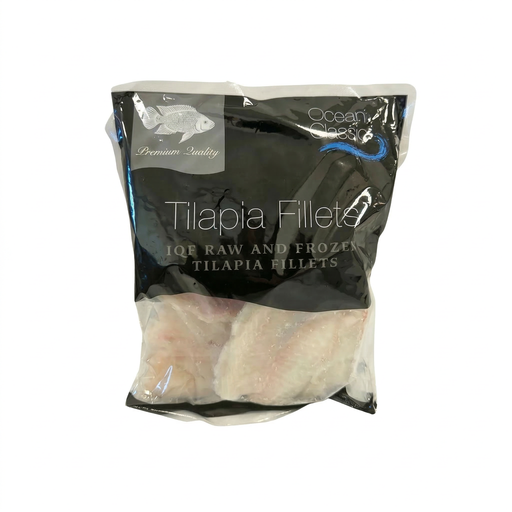
Individually quick-frozen tilapia fillets offer portions for separate meals. The title states 800g net fish in a 1kg pack; follow the product's thaw-before-cooking and thorough-cooking directions.
 No image available
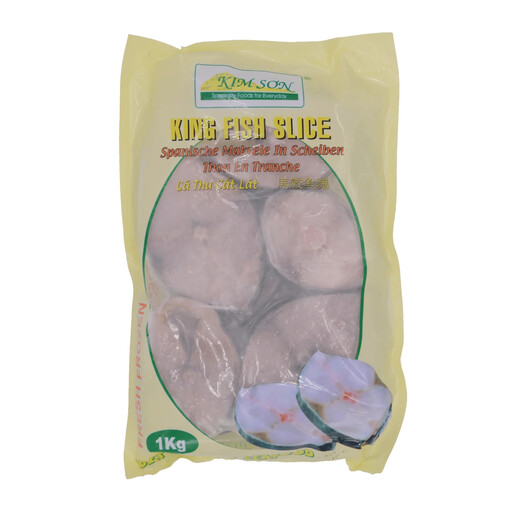
Pre-sliced fish may suit meals that call for pieces rather than whole fillets. This is a 1kg pack of raw fish; cook it thoroughly and check the pack for preparation directions.
 No image available
These skinless and boneless pangasius fillets provide a plain white-fish format. The title states 1kg total weight and 800g net fish; the directions call for thawing in the refrigerator before cooking thoroughly.
 No image available
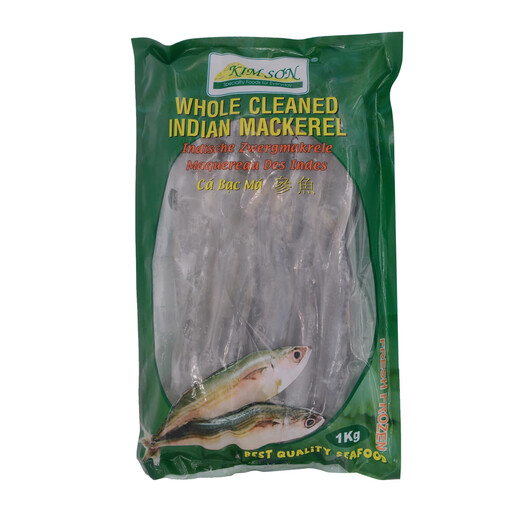
Indian mackerel is an oily-fish option for meals where fish variety matters. This is a 1kg pack; small bones may be present, and the raw fish must be cooked thoroughly.
 No image available
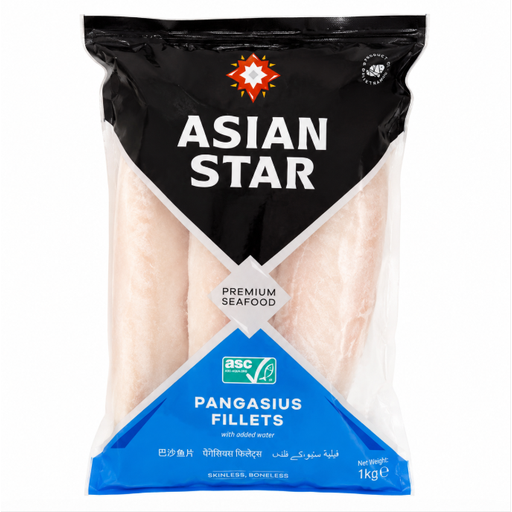
These plain pangasius fillets offer a white-fish option for portioned meals. The title distinguishes the 1kg pack from its 800g net fillet weight; thaw thoroughly in the refrigerator before cooking.
Start by comparing plain, uncoated white-fish fillets on their labelled protein per cooked serving. For an example of why format matters, Sainsbury's lists 18.1g protein per 100g of oven-cooked Stamford Street Co. pollock and 10.5g per 100g of oven-baked Young's battered fillets; check each pack's portion basis before applying those figures to a meal.
Choose salmon when you want an oily-fish option as well as protein. The UK Government's Eatwell Guide advises at least two 140g fish portions a week, including one oily-fish portion; Tesco Groceries lists 20.0g protein and 800mg EPA and DHA for one typical 100g wild salmon fillet, as sold.
Yes, if the exact product's instructions say to cook it from frozen. The Sainsbury's pollock and basa listings give cook-from-frozen directions, while other fish products may require thawing first; follow the pack's appliance instructions and check that the fish is piping hot throughout.
No. Sainsbury's warns that some bones may remain in its skinless and boneless frozen basa fillets, so check the product warning and take care when serving.
Check protein per serving, the preparation basis and the full ingredient and allergen declarations. Sainsbury's lists 9.4g protein per oven-baked Young's battered fillet and declares fish, wheat/gluten and mustard; read the exact pack rather than assuming all coated fish has the same ingredients.