For a single-serve meal where protein matters, start by comparing the amount in the portion you will cook, not just the figure per 100g: Sainsbury’s lists 25.6g protein per 100g for its frozen salmon and 23.8g per 100g for its haddock, while its basa lists 13.4g per oven-cooked fillet. Salmon is an oily-fish option under NHS guidance; if you prefer a coated fillet, compare its serving-level nutrition, ingredients and allergens separately from plain fish.
Who is portioned frozen fish for?
Meal planners comparing protein
If protein per meal matters to you, check whether the label gives its figure per 100g or per fillet. Sainsbury’s lists 25.6g per 100g for its salmon and 23.8g per 100g for its haddock; neither figure tells you the amount in your meal until you know the portion weight.
People cooking for one or two
Individually frozen fillets let you take the number you need from a larger pack. The Sainsbury’s salmon and haddock packs each list approximately four servings, while its basa pack lists five; check the cooking directions for the product you choose.
Shoppers choosing between oily and white fish
If your fish choices also include an oily-fish portion, salmon offers a different route from cod or haddock. NHS guidance identifies salmon as oily fish and recommends at least two portions of fish a week, including one oily-fish portion; it describes a fish portion as around 140g.
What should you check before buying?
Choose the fish format you want, then compare protein using the same serving basis and check whether the pack lets you remove just one portion.
| Priority |
What to check |
Your needs |
| Protein per portion |
Check whether protein is stated per 100g or per fillet. Use the serving weight or fillet size to compare the amount you plan to cook. |
I want to know how much protein is in my meal, rather than assume that two differently sized fillets provide the same amount. |
| Portion format |
Look for individually frozen fillets, a declared serving count and directions for removing the required number. Check whether cooking starts from frozen or requires thawing. |
For a meal for one or two, I want to take out only the portions I need and follow that pack’s preparation instructions. |
| Plain or coated |
For coated fish, read the fish percentage, ingredients and nutrition per fillet, including carbohydrate, fat and salt. Check the full allergen declaration. |
A breaded fillet may suit the meal I have in mind, but I want to compare the whole serving with a plain fillet, not just the fish named on the front. |
| Oily or white fish |
Check the species and portion size. NHS guidance identifies salmon as oily fish and cod and haddock as white fish; its fish-portion reference is around 140g. |
If I am choosing an oily-fish portion, I will look at salmon rather than assume a white-fish fillet serves the same purpose. |
Common buying mistakes
-
Relying on a protein claim instead of the serving figure
Figures stated per 100g and per fillet cannot be compared as though they describe the same amount of food. For example, Sainsbury’s lists 23.8g protein per 100g for its haddock, while its basa figure is 13.4g per oven-cooked fillet.
Check the basis of each nutrition figure, then use the stated serving size or fillet weight to plan the portion you will eat.
-
Treating coated and plain fish as interchangeable
The Birds Eye breaded cod product listed by Tesco is 51% cod and provides 12g protein, 21g carbohydrate and 0.81g salt per oven-baked fillet. Those figures describe the coated serving, not a plain cod fillet.
Compare nutrition per serving and read the ingredient and allergen lists before choosing a coated format.
-
Assuming one fillet is a standard fish portion
The NHS describes a fish portion as around 140g, but a pack’s stated serving count does not establish that each fillet weighs 140g. Fillet size matters when planning both fish portions and protein per meal.
Read the pack weight and serving information rather than counting fillets alone.
-
Skipping allergen and storage directions
Coatings can introduce allergens beyond fish: the checked Birds Eye breaded cod lists wheat and mustard and may contain milk. Storage and cooking directions also differ between products.
Read the current pack’s allergen declaration, cook from frozen only when directed, and follow its thawing and refreezing instructions.
Brand ranges to compare
Sainsbury’s
Its frozen-fish range includes plain salmon, haddock and basa portions with product-level serving and nutrition information.
- The checked salmon and haddock packs each list approximately four servings; the basa pack lists five.
- Protein figures use different bases across these products, so compare the intended cooked portion rather than the species name alone.
Birds Eye
Its checked breaded cod product offers four 100g fillets as a coated meal format.
- Tesco lists 12g protein per oven-baked fillet for this product.
- The fillet is 51% cod; its coating and allergen declaration need checking separately from plain fish.
Young’s
Young’s lists natural frozen fillets as well as coated fish, so the format matters when comparing products.
- Its Natural Fish Fillets range includes cod, smoked haddock and Pacific pink salmon products described by Young’s as cook-from-frozen.
- The Joybuy-listed Chip Shop Omega 3 fillets are battered Alaska pollock, with 9.8g protein and 1.0g salt per 100g; those figures do not describe the natural-fillet range.
Tesco
Tesco’s frozen-fish listings include plain fish, coated products and branded alternatives.
- The listed options include Tesco basa and cod alongside Birds Eye and Young’s products.
- A search listing is not a substitute for the exact product’s serving, nutrition and allergen details.
M&S
Its frozen-fillet listings include salmon, cod and haddock, alongside prepared fish products.
- The range gives shoppers both plain-fillet and prepared formats to compare.
- M&S lists 12.2g protein per 100g for its battered cod; use that product’s label rather than applying the figure to its plain fish.
Frozen fish options on Joybuy
These options include a small salmon pack, a two-fillet sea bass pack and larger bags of individually quick-frozen white fish. Check the weight and preparation directions when deciding whether one fillet will make the portion you want.
 No image available
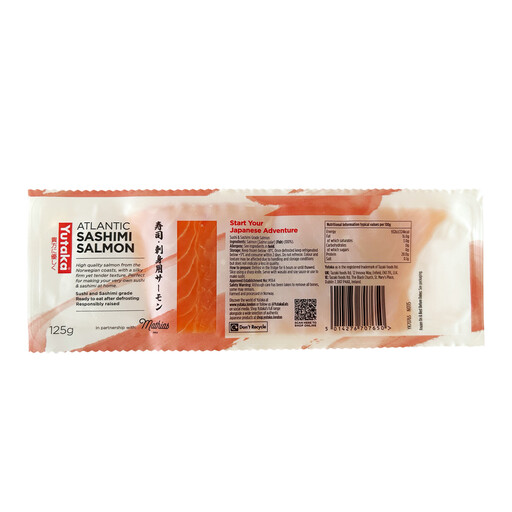
Yutaka Atlantic Sashimi Salmon 125g
The 125g frozen pack is a compact option for one meal. Its listing identifies salmon as the sole ingredient and states 20g protein per 100g; check the pack when working out the amount in the portion you will eat.
Follow the on-pack preparation directions before considering raw consumption. Some bones may remain.
View on Joybuy
 No image available
Ocean Classic Pangasius IQF Fillets, 170/200g, 1kg (800g net)
These skinless, boneless basa fillets are individually quick-frozen, so the format allows you to select the amount needed. The listing states 15.5g protein per 100g; check the pack to establish an individual fillet’s weight, as the stated 170/200g sizing does not settle the portion-level figure.
The product directions specify thawing in the refrigerator, using the fish within 24 hours of defrosting and not refreezing it.
View on Joybuy
 No image available
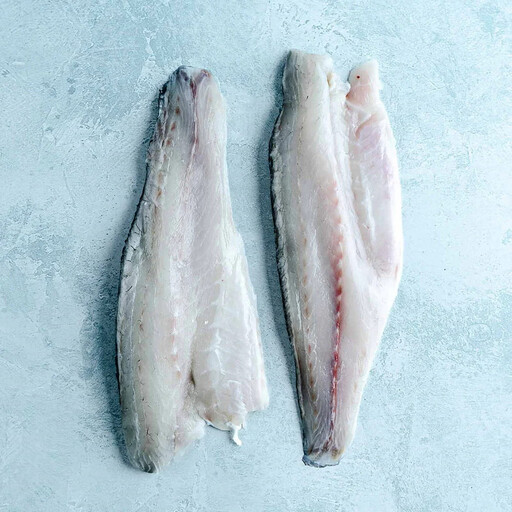
The Fish Society Mediterranean Sea Bass Fillets, 2 fillets, 240g
The pack contains two sea bass fillets and lists 19g protein per 100g. If you intend to cook just one, check whether the frozen fillets can be separated and use the pack information to establish its portion weight.
Check the current salt declaration and follow the product’s cooking and thawed-storage directions.
View on Joybuy
 No image available
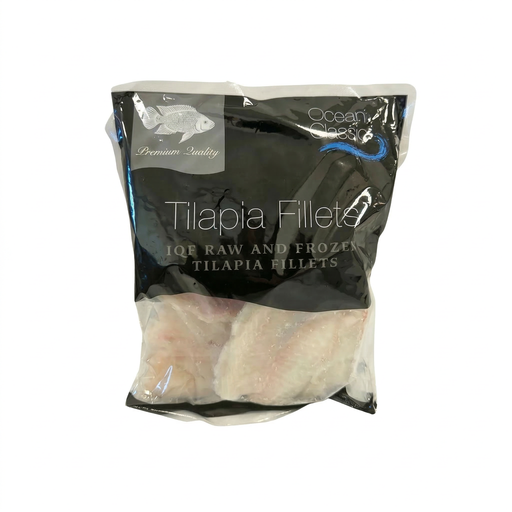
Ocean Classic Tilapia IQF Fillets, 1kg (800g net)
The individually quick-frozen format offers portion choice within this larger pack. The listing identifies tilapia as the sole ingredient and states 21g protein per 100g; check the number and weight of fillets to plan a single serving.
The product directions call for thawing before cooking, thorough cooking and no refreezing after defrosting.
View on Joybuy
Questions about portions and preparation
How much protein is in one frozen fish fillet?
It depends on the product and the fillet’s size. Sainsbury’s lists 25.6g protein per 100g for its salmon, 23.8g per 100g for its haddock and 13.4g per oven-cooked basa fillet; Tesco lists 12g per oven-baked fillet for Birds Eye breaded cod. Check whether your label’s figure is per 100g or per fillet before comparing servings.
Should I choose salmon or white fish?
Choose according to both the portion’s nutrition label and the type of fish you want in the meal. NHS guidance identifies salmon as oily fish and cod and haddock as white fish; its recommendation of at least two fish portions a week includes one oily-fish portion. A white-fish fillet does not serve as that oily-fish choice.
Does one frozen fillet count as one fish portion?
Not automatically: NHS guidance describes a fish portion as around 140g. Check the fillet weight or the pack’s weight and serving information rather than treating every individually wrapped or frozen fillet as that size.
Can I cook a frozen fillet without defrosting it?
Only when that product’s directions allow it. The checked Sainsbury’s salmon, haddock and basa products have cooking instructions from frozen, but times and methods vary; use the instructions on the pack you are preparing.
Which allergens should I check in coated fish?
Check the current pack for fish and any allergens introduced by the coating. The checked Birds Eye breaded cod lists wheat and mustard and says it may contain milk; the Joybuy-listed Young’s battered fillets list fish, gluten, milk and mustard. Those declarations are product-specific, so read the label of the fillets you buy.


