Roast-dinner cooks checking fish sourcing
If you want white fish alongside roast vegetables, the Marine Conservation Society’s guidance makes the species, catch area and production method more useful checks than a broad sustainability phrase.


For a roast dinner, choose frozen fish whose species and sourcing you can check, then match its cooking instructions to your oven schedule. Plain fillets leave you free to add your own seasoning, while coated portions call for a closer look at ingredients and allergens. The Marine Conservation Society says seafood ratings depend on species, origin and production method: European hake can be a cod alternative, but check the exact fish and source on the pack rather than assuming all hake or cod has the same rating.
If you want white fish alongside roast vegetables, the Marine Conservation Society’s guidance makes the species, catch area and production method more useful checks than a broad sustainability phrase.
Breaded portions offer a different way to serve fish with roast sides. Check the named species, ingredients, allergens and instructions for the particular product; a generic description does not tell you which fish is inside.
The Marine Conservation Society describes European hake as a meaty, flaky alternative to cod. Confirm that a product is European hake and check its sourcing before applying that guidance to a particular pack.
Start with the fish and its sourcing, then check whether the format, ingredients and cooking instructions suit the meal you have planned.
| Priority | What to check | Your needs |
|---|---|---|
| Sourcing | Identify the species, catch or farming area and method where stated. The Marine Conservation Society bases its ratings on all three; the Marine Stewardship Council says its blue MSC ecolabel identifies wild-caught seafood meeting its fishery and supply-chain standards. | I want sourcing information I can assess for the particular fish, rather than relying on the word “sustainable” alone. |
| Fish and format | Check that a hake product identifies European hake before using the Marine Conservation Society’s cod-swap guidance. Decide whether a plain fillet or a coated portion suits the way you want to serve the fish. | A flaky fish to serve with potatoes and vegetables matters more to me than keeping cod on the menu. |
| Oven preparation | Read the pack’s storage, defrosting and cooking instructions. Check the method and timing for this product rather than transferring them from another fillet or coating. | I need to fit the fish around the roast sides without assuming every frozen portion cooks the same way. |
| Ingredients | For coated fish, read the named species, fish content, ingredient list, highlighted allergens and any bone warning. Birds Eye lists Alaska pollock at 51% in one breadcrumb product, alongside wheat and mustard. | If someone at the table avoids an ingredient, the coating needs as much attention as the fish itself. |
The Marine Conservation Society assesses seafood by species, location and production method. A generic name does not establish the details needed to assess a particular fish.
Find the named species and sourcing information on the pack, then use current guidance or a relevant certification for that product.
In its April 2026 Good Fish Guide update, the Marine Conservation Society reported no recommended choices for UK-caught cod, while identifying better-managed fisheries such as those in Iceland as more sustainable options.
Check the cod’s catch area and method rather than judging it by proximity or species name alone.
Coatings change the ingredient list and can conceal a different species than expected. Birds Eye’s breadcrumb fillets contain Alaska pollock, wheat and mustard, and its page warns that bones may remain.
Compare the named fish, fish percentage, ingredients, allergens and bone warning with those of a plain fillet.
Plain fillets and coated portions can have different cooking and defrosting instructions. The Food Standards Agency also notes that thawing followed by storage at substantially higher temperatures can increase food-safety risks.
Follow the exact pack’s storage and cooking directions, including any instruction not to refreeze after defrosting.
Its frozen-fish range includes Wild Icelandic Cod Fillets and British Hake Fillets. M&S describes the range as responsibly sourced and traceable; check the individual product for the details behind that description.
Its frozen white-fish listing includes cod loins, hake, haddock and basa, giving shoppers several species to consider for a roast-dinner plate.
Its breadcrumb fillets are a coated option for shoppers planning an oven-cooked fish portion with roast sides.
Its range includes natural Atlantic cod fillets as well as coated cod and haddock formats.
This miso-marinated fish steak is an oven-baking option for a roast-dinner plate, rather than a plain white-fish fillet. Allow for its defrosting instruction and check its sourcing claim against the current pack.
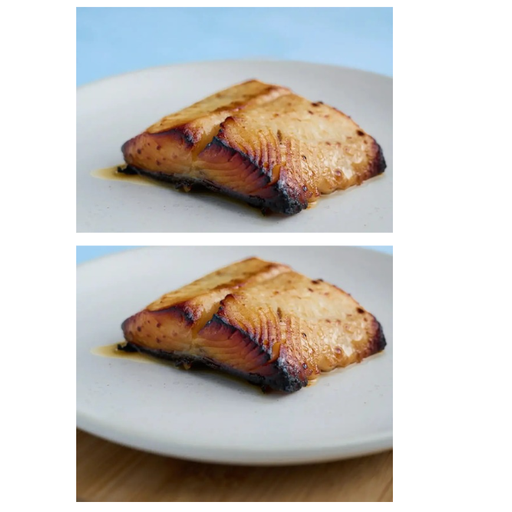 Image unavailable
The listing describes a miso-marinated sablefish steak that can be oven-baked after defrosting; check the pack’s directions when planning it alongside roast vegetables. Its ingredients include soybeans. The listing claims MSC-certified Alaskan sourcing, so check the current pack for the blue MSC ecolabel and product-specific sourcing details before relying on that claim.
The Marine Stewardship Council says its blue ecolabel identifies wild-caught seafood from fisheries meeting its Fisheries Standard and businesses meeting its Chain of Custody Standard. Check that the label is on the particular product you are buying, alongside its species and other pack details.
No. The Marine Conservation Society assesses seafood by species, source and method. Its April 2026 update reported no recommended choices for UK-caught cod while identifying better-managed fisheries such as those in Iceland as more sustainable options. Check the particular product’s origin and catch information.
European hake can be a practical swap: the Marine Conservation Society describes its texture as similarly meaty and flaky and says it can replace the same quantity of cod in almost all recipes. Confirm that the pack identifies European hake, then check its sourcing rather than applying that guidance to every product labelled “hake”.
Follow the instructions for the exact product. Birds Eye provides an oven-cook-from-frozen method for its breadcrumb fillets and says to cook them until piping hot; that method and timing should not be transferred to a different plain, battered or breaded fish.
Check the product’s directions: Birds Eye says not to refreeze its breadcrumb fillets after defrosting. The Food Standards Agency notes that thawing followed by storage at substantially higher temperatures can increase food-spoilage and foodborne-illness risks.