Households with room for two fish packs
An oily-fish pack alongside plain white fish gives you two different starting points for winter meals, rather than two similar coated products. Cod, haddock and pollock are white fish identified by the NHS.


For a flexible two-pack freezer, pair oily fish such as salmon with plain white fish such as cod, haddock or pollock. The NHS recommends including an oily-fish portion in your weekly fish intake; choose coated fish for the white-fish slot instead if you mainly plan quick fish-and-chips-style suppers and are happy with a ready-made coating.
An oily-fish pack alongside plain white fish gives you two different starting points for winter meals, rather than two similar coated products. Cod, haddock and pollock are white fish identified by the NHS.
Some frozen fillets have direct-from-frozen instructions, while coated fish can simplify a fish-and-chips-style supper. Check the instructions on each pack: preparation differs between products.
Plain portions leave the sauce, seasoning or topping up to you. If you prefer a coated product, compare its ingredients, allergens and nutrition per cooked serving rather than assuming similar-looking packs are alike.
Start with the meals you expect to make, then check each pack’s preparation instructions, portions and storage guidance.
| Priority | What to check | Your needs |
|---|---|---|
| Fish pairing | Identify the fish in each pack. The NHS lists cod, haddock and pollock as white fish; salmon is an oily-fish option. | I have room for two packs and want one for richer fish dishes and another that works in mild-flavoured pies, sauces or traybakes. |
| Meal preparation | Check whether the exact product can be cooked from frozen or needs thawing. Look at its stated cooking method before planning a quick supper. | On a busy evening, I need to know whether dinner can go straight from freezer to oven or needs an earlier preparation step. |
| Plain or coated | Compare ingredients, allergens and nutrition per cooked serving. Note whether a coating or sauce is already included. | I may want to make my own fish-pie topping, or I may prefer coated fish with chips and peas. The pack should suit the meal I will actually cook. |
| Portions and storage | Check the number and size of portions, whether you can remove them separately, and the pack’s freezer-temperature and best-before instructions. | My freezer space is limited, so I want packs with usable portions and storage guidance I can still read after putting them away. |
They can both serve a quick supper, but neither fills the oily-fish slot in a two-type plan. Coatings also leave less scope to choose your own sauce or topping.
If you want variety from two packs, consider oily fish alongside plain white fish. Make the second pack coated instead when fish-and-chips-style meals are its main use.
Sainsbury’s labels its lightly dusted cod at 0.93g salt per cooked fillet and its breaded haddock at 1.39g per oven-cooked fillet. These are different products with different portion sizes, not a like-for-like comparison of coatings.
Read the exact pack’s serving size, salt, energy and allergen information before choosing between coated options.
Some frozen fish can be cooked directly from frozen, while other products instruct you to thaw them. Thawing adds a preparation step and a time limit.
Follow the pack’s method. If you defrost the fish, the Food Standards Agency’s guidance says to consume defrosted food within 24 hours.
Storage instructions can depend on the product and freezer temperature. Sainsbury’s, for example, gives a best-before-based instruction for its Stamford Street Co. white-fish steaks stored at −18°C.
Keep or photograph each pack’s storage panel, and follow its stated temperature and best-before guidance.
These range examples can help you locate a suitable format; check the individual product before applying a range description to a pack.
Birds Eye’s fish-finger range focuses on coated fish for familiar freezer suppers.
Young’s lists natural frozen fillets alongside coated fish, fish in sauce and prepared meals.
The cited own-label products illustrate both frozen salmon portions and formed Alaska pollock steaks.
M&S Food lists frozen fish fillets, including straightforward and lightly dusted options.
These options cover an oily-fish pack, a plain fish option and a coated cod option for the second freezer slot. Choose between the two cod or pangasius formats according to whether you plan to prepare the fish yourself or want a coated supper.
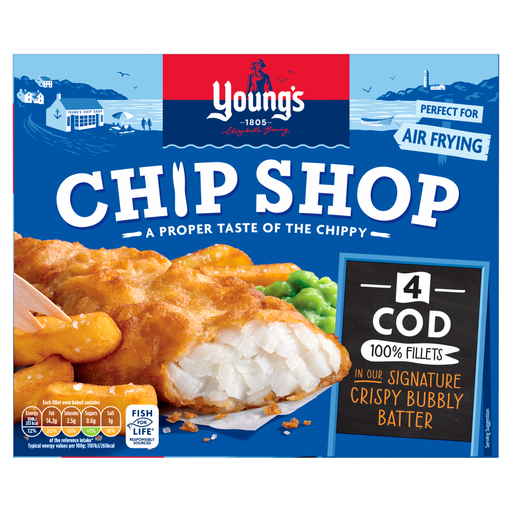 No image available
A coated cod choice for a fish-and-chips-style supper rather than a plain portion for making your own sauce or topping. The pack contains four fillets and weighs 400g. Check its allergen and cooked-nutrition information; the listing also cautions that bones may remain.
 No image available
A plain fish option for dishes such as curry or soup when you want to add your own seasoning. The title states 1kg total weight and 800g net; check what its “170/200g” marking means when planning portions. The listing instructs you to thaw the fillets in the fridge, consume them within 24 hours of defrosting and not refreeze them after thawing.
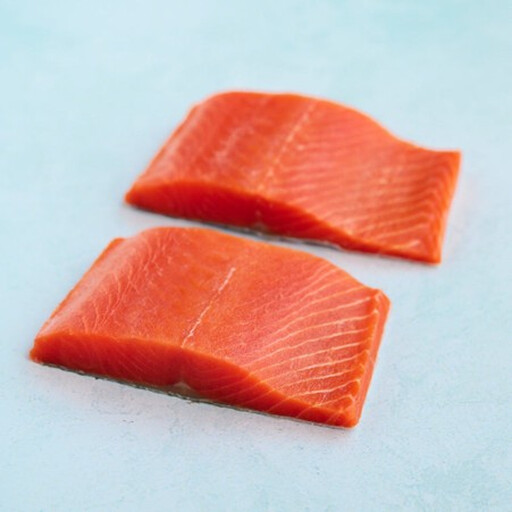 No image available
Salmon fills the oily-fish slot in the two-pack plan. These 220g fillet steaks are skin-on, and the listing advises thawing before cooking. Follow the pack’s preparation instructions when making your meal.
Oily fish such as salmon alongside plain white fish such as cod, haddock or pollock gives you two different bases for winter dishes. The NHS recommends including an oily-fish portion in weekly fish intake; the plain white fish can take the sauce, coating or topping your planned meal needs.
Choose plain portions if you plan to make your own pie, curry, sauce or topping; choose coated fish if a fish-and-chips-style supper is the main use. For coated products, compare the exact pack’s ingredients, allergens and nutrition per cooked serving.
Some products allow cooking directly from frozen: Sainsbury’s frozen salmon listing, for example, gives from-frozen oven instructions. Follow the instructions on the fish you buy rather than assuming the same method applies to every pack.
Follow the pack’s thawing directions. The Food Standards Agency’s guidance says to consume food within 24 hours after defrosting; that time limit concerns food you have thawed, not fish cooked directly from frozen.
Use the exact pack’s best-before date and freezer-temperature instructions. Sainsbury’s Stamford Street Co. white-fish steaks, for instance, specify storage until their best-before date at −18°C; that does not establish a storage period for other fish packs.