
24/7 Customer Support

Free returns

Same-day & Next-day Delivery

Quality Guaranteed

Unlock Your Welcome Offers: FREE Delivery | Up to 80% OFF | Free 30-day JoyPlus trial
Download the APP
Buying frozen fish and seafood online can make weekly meal planning easier, but attractive pack images and words such as “fresh”, “premium” or “restaurant-style” do not always tell you what arrives in the freezer. The most useful checks are usually less glamorous: net fish weight, preparation status, storage instructions and the presence of bones or added ingredients.
This guide explains the main buying traps, the specifications worth checking and a selection of products suited to different UK households.
A large bag may include an ice glaze, added water or protective ingredients. For example, some 1kg packs in this category contain 800g of fish with ice, rather than 1kg of fillets. Compare the net fish quantity, not just the headline pack size.
This is particularly important when comparing frozen fish fillets, white fish fillets and bulk packs for family meals.
Skinless and boneless preparation reduces work, but labels can still advise that small bones may remain. Chunked species such as ribbonfish and belt fish commonly contain bones, while tinned products may also carry a warning despite careful processing.
Always read the allergy and safety information, particularly when serving children, older people or anyone with difficulty eating around bones.
“Ready to eat”, “ready to cook” and “raw” describe different products:
A product that looks convenient may still need overnight thawing, seasoning and careful cooking.
Check whether the listed quantity is gross weight or net fish weight. IQF, or individually quick-frozen, products are separated into individual pieces, making it easier to remove only what you need. This can reduce waste for smaller households.
Look for:
For example, the Asian Star White Pangasius Fillet pack lists 1kg overall weight with 800g net, while its fillets are described as skinless and boneless.
Species affect both texture and flavour:
If you need fish for a curry or soup, mild white fish fillets may be more adaptable than strongly flavoured species.
Most frozen products should be kept at -18°C or below and should not be refrozen after thawing. Thaw raw fish in the refrigerator, ideally overnight, then cook within the timeframe stated on the packaging.
Do not rely on colour alone. Raw fish should be cooked thoroughly until opaque throughout and flaking easily, while products with specific instructions should reach the stated internal temperature. The monkfish listing, for instance, advises cooking above 70°C.
Also check whether the product is raw, seasoned or already cooked. A ready-to-eat smoked salmon product has different handling requirements from raw tilapia or pangasius.
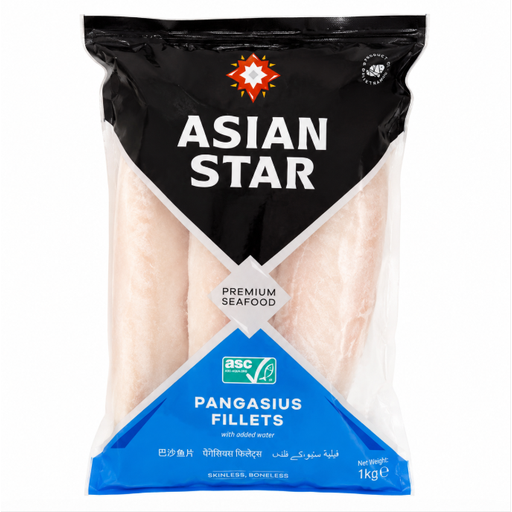
Why This Fits Their Persona: A practical freezer staple for students, couples and families who want mild fish for curries, stir-fries and weekday dinners.
The listing clearly states the 800g net fish weight, rather than implying that the full 1kg is fillet.
Skinless, boneless fillets with a mild flavour; suitable for stir-fries and curries.
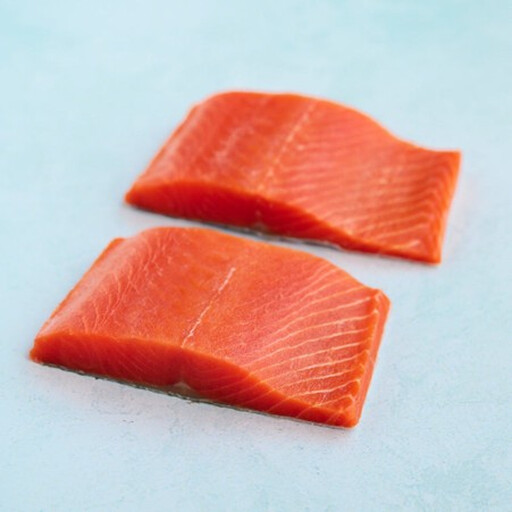
Why This Fits Their Persona: Suited to a smaller dinner party or a special home-cooked meal where a firmer, richer-tasting fish is preferred.
The pack specifies 220g and two skin-on salmon fillet steaks, making the serving format clear.
Wild sockeye salmon; suitable for grilling, baking and pan-searing.
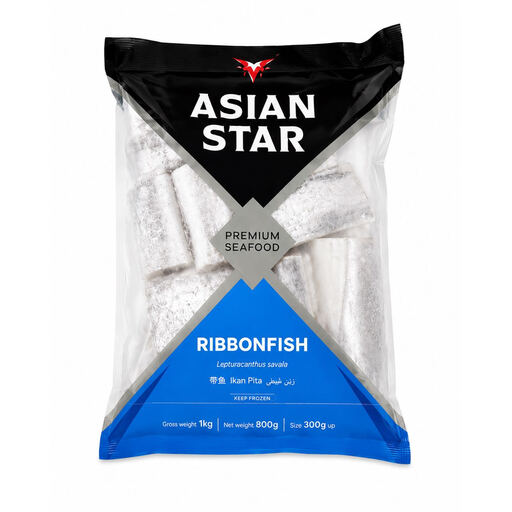
Why This Fits Their Persona: A useful choice for households making Chinese, Korean or other Asian-style dishes using braising, frying or hot-pot methods.
The listing identifies the chunks as bone-in and advises careful eating, so the preparation is not presented as boneless convenience.
1kg pack; pre-cut ribbonfish chunks for pan-frying, grilling or braising.
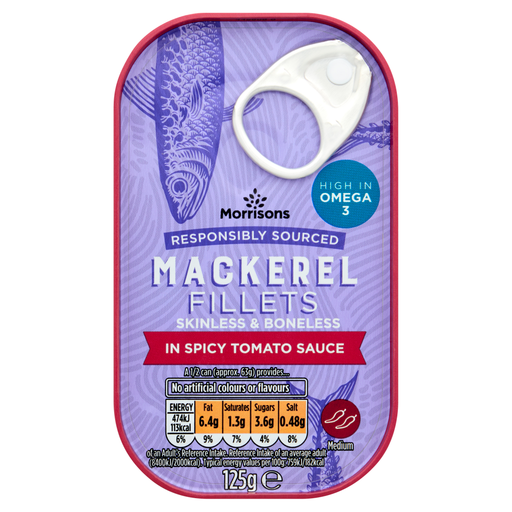
Why This Fits Their Persona: A cupboard-friendly option for quick lunches, rice bowls or evening meals when there is no time to thaw frozen fish.
The product is clearly tinned and ready to serve, while the label warns that small bones may remain.
125g tin; skinless and boneless preparation stated on the listing, with spicy tomato sauce included.
We have compiled a complete, real-time list of products that fully satisfy these strict selection criteria and UK safety regulations.
For a firm texture and special occasion cooking, the The Fish Society Wild British Monkfish Whole Fillet 200g is skinless with the membrane removed and can be roasted or pan-seared. It is raw, so it requires thorough cooking.
For quick Japanese-style meals, JK Frozen Roasted Eel (Unagi) is supplied grilled with sauce and can be reheated in a microwave or boiling water. Check the soy and wheat allergens before serving.
If you prefer seasoned convenience, FRESHASIA Seasoned Tilapia Fillets 250g is pre-cut and suited to hot pot, pan-frying and soups. Its ingredients include fish, soybeans and several added seasonings, so it is different from plain tilapia fillets.
Skinless, boneless, individually frozen fillets are generally straightforward for weekday cooking because portions can be removed separately and used in curries, soups or oven meals. Always check the net weight and whether the fish is raw or seasoned.
Follow the best-before guidance on the packaging and keep the product continuously frozen at -18°C or below. Quality can decline if packaging is damaged or the fish develops freezer burn. Once thawed, follow the label’s refrigeration and consumption instructions, and do not refreeze unless the product specifically permits it.
It can be practical when the delivery arrives properly chilled or frozen and you can transfer products to the freezer promptly. Check delivery instructions, packaging condition, storage temperature and use-by or best-before details before accepting and storing the order.