Students stocking a first shared freezer
Freezer space and kitchen equipment may be limited. A pack that fits your shelf and matches the appliances you can use is more practical than one chosen by its size or packaging alone.


Choose plain fillets if you have suitable cooking equipment and want to season and portion the fish yourself. Coated or seasoned pieces make more sense when defined portions and a compatible cook-from-frozen method suit your routine; consider a larger pack only if you have freezer space and a plan to use it. Check the species, ingredients, allergens and cooking instructions on the particular pack rather than treating “premium” as a measure of fish quality.
Freezer space and kitchen equipment may be limited. A pack that fits your shelf and matches the appliances you can use is more practical than one chosen by its size or packaging alone.
Portioned coated or seasoned fish may suit different meal schedules. Check the cooking method and ingredients on the specific product, particularly if anyone eating it needs to avoid an allergen.
If species or sourcing matters to your choice, look beyond the broad word “fish”. The species, origin and catching or farming method provide a more useful starting point for checking a product.
Start with the space and appliances you will actually have, then compare formats and labels within those limits.
| Priority | What to check | Your needs |
|---|---|---|
| Freezer space | Check pack weight and shape against your allocated space. Follow the pack’s storage and thawing instructions. | I share a freezer, so I need a pack I can store and use without relying on housemates to finish it. |
| Cooking equipment | Match the pack’s stated method to your oven, microwave or air fryer. Check whether it says to cook from frozen or thaw first. | A convenient portion is only useful to me if I can prepare it in my kitchen. |
| Fish and coating | Compare the named species, fish percentage where stated, ingredients and number of pieces. Plain fillets and coated portions are different meal formats. | I might prefer fish I can season myself, or portions with the coating and seasoning already added. |
| Allergens | Read the current ingredient and allergen declaration. Alongside fish, coated products may declare ingredients such as wheat, gluten or mustard. | If I or a housemate needs to avoid an ingredient, I need to check this particular pack and flavour. |
| Species and sourcing | Identify the species, then check origin and catching or farming method when assessing sourcing information. The Marine Conservation Society rates fisheries and farmed fish in their specific context. | I want enough detail to assess the fish I am buying, rather than relying on a general sourcing statement. |
A larger fish product takes space that may already be divided among housemates. It is less practical for one person if there is no plan to use the whole pack in line with its storage instructions.
Check your available freezer space and decide how many meals the pack will cover before choosing its size.
Fish is an allergen, and coatings can add others. Birds Eye’s breaded cod lists wheat and mustard and may contain milk; the Young’s Gastro Lemon & Pepper product listed by Sainsbury’s contains wheat gluten.
Read the current label for the exact product and flavour, even if you have bought a different version before.
These examples show formats worth comparing; a brand’s wider range does not tell you the ingredients or instructions for an individual pack.
Tesco’s frozen-fish listings include plain fillets and larger Finest products, such as cod loins and salmon meal formats.
Sainsbury’s frozen-fish listings include plain own-label fillets and coated branded options.
Birds Eye’s breaded cod is an example of portioned fish with cook-from-frozen instructions.
Young’s Gastro range includes coated, seasoned portions; the researched Lemon & Pepper product is made with Alaska pollock.
These options cover coated portions, salmon and plain tilapia fillets. Compare each pack with your freezer space, equipment and preferred way of preparing a meal.
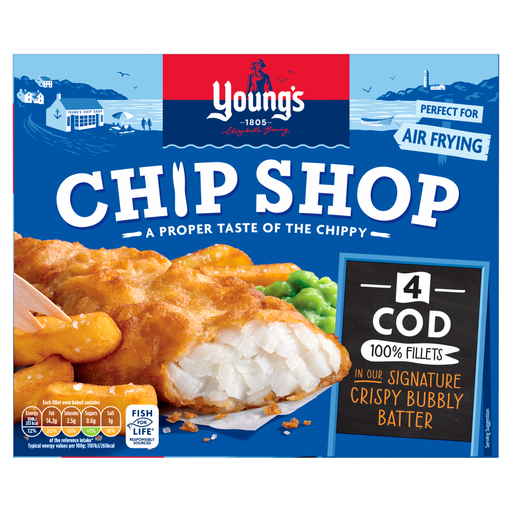 No image available
Four fillets offer defined portions for separate meals. Check that the pack’s oven instructions suit your kitchen; check the current allergen label, and be aware that bones may remain.
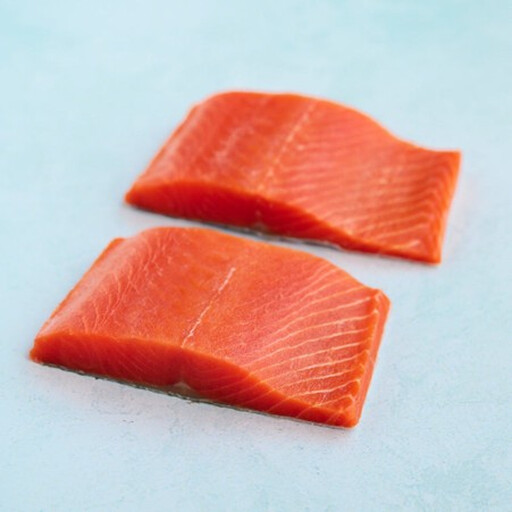 No image available
The 220g salmon pack is an option if you can plan ahead for preparation. Its description instructs thawing before cooking; check the origin and fishery details if sourcing affects your choice.
 No image available
Ten fish fingers let you count out pieces for a meal. Check the current pack for its cooking time and temperature and for allergens; bones may remain.
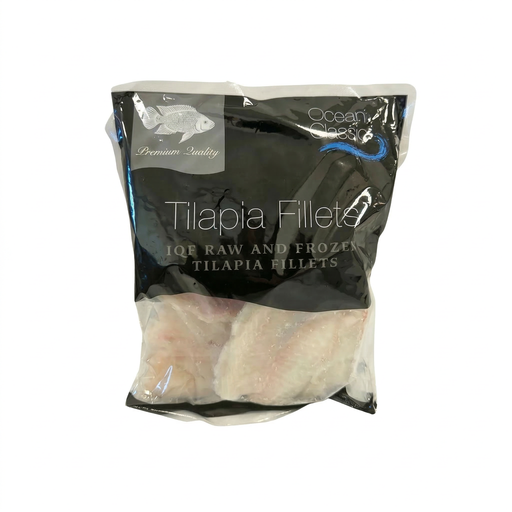 No image available
These plain fillets suit someone planning several meals, provided the 1kg pack fits their freezer; the stated net fish weight is 800g. The description calls for thawing before cooking, so allow for that step and follow the pack directions.
It may suit you when its portions, seasoning or preparation method fit meals you will actually make. Compare the species, ingredients, cooking directions and pack size first: “premium” does not establish that one fish product is better suited to your freezer or kitchen.
Yes, if the specific pack gives cook-from-frozen instructions for an appliance you have. Tesco’s basa listing includes microwave-from-frozen directions, while Birds Eye’s breaded cod has air-fryer directions. Do not transfer one product’s method or timing to another.
Follow the instruction on the particular pack: Tesco’s basa and Birds Eye’s breaded cod both say not to refreeze after thawing. The Food Standards Agency notes that thawed food subsequently stored at substantially higher temperatures can allow microorganisms to grow, so plan portions around the stated storage directions.
No. The NHS identifies cod, haddock and pollock as white fish, while salmon is oily fish. If the type of fish matters to your meal planning, check the named species rather than assuming all frozen-fish products are interchangeable.
Check the species, origin and catching or farming method for the particular product. The Marine Conservation Society explains that its ratings depend on the specific fishery or farmed species and area; a general brand sourcing statement cannot stand in for that detail.