Students planning several dinners
Plain frozen white-fish fillets give you an uncoated starting point for dishes such as curry, pasta or a traybake. Check the pack weight and portion count against the meals you intend to make.


Choose plain frozen white-fish fillets when you want an uncoated base for several kinds of student dinner. Coated fish suits a planned oven meal if its instructions match your equipment; choose salmon when you specifically want an oily-fish option. For any of them, check the pack quantity, cooking method, allergens and storage instructions before buying.
Plain frozen white-fish fillets give you an uncoated starting point for dishes such as curry, pasta or a traybake. Check the pack weight and portion count against the meals you intend to make.
Choose a product whose stated cooking method works with your kitchen and timetable. Young’s says its Natural Fish Fillets cook from frozen, while the M&S Scottish Salmon Portions listed by Ocado require thorough defrosting before cooking.
Salmon is an oily fish; plain cod, hake and basa are white-fish options. Pick the type that fits the meal you are planning, then check the particular pack’s portions and preparation instructions.
Decide what kind of meal you want to cook, then check the exact product label rather than assuming all frozen fillets are prepared alike.
| Priority | What to check | Your needs |
|---|---|---|
| Fish format | Check the named species, whether the fish is plain or coated, and the pack weight and portion count. A frozen fillet should not be assumed to be fresh fish. | I want an uncoated fish I can season for different meals, or a coated product for a fish-and-chips-style dinner. |
| Cooking method | Read the instructions for that product: confirm whether it cooks from frozen or needs defrosting, and which appliance the directions require. | If I am cooking tonight, I need the preparation time and equipment to fit the kitchen I can use. |
| Fish type | Identify whether the pack contains white fish or an oily fish such as salmon. Do not treat the species and its coating as the same decision. | For this meal, am I after a plain white-fish base or specifically choosing salmon? |
| Labels and handling | Read the ingredients and allergens, storage and refreezing directions, and any raw-fish or bone warnings on the individual pack. | I need to know whether the ingredients suit me and how to store and prepare the fish I buy. |
Frozen-fish listings include uncoated fillets, coated fish and prepared formats. The category name alone does not establish freshness, ingredients or how the fish must be cooked.
For an uncoated meal base, check the species, product description, ingredients and preparation instructions on the particular pack.
Young’s describes its Natural Fish Fillets as suitable for cooking from frozen, whereas Ocado’s listing for M&S Scottish Salmon Portions calls for thorough defrosting before cooking.
Follow the instructions for the fish you choose and allow for defrosting when its pack requires it.
Coated fish can have ingredients beyond the fish itself. The M&S frozen fish examples listed by Ocado also carry raw-fish cooking and possible-bone warnings.
Read the ingredients and allergen statement, then follow the product’s cooking directions and bone warnings.
These references illustrate differences between frozen-fish formats; a retailer listing does not mean the same product is among the Joybuy options below.
Tesco Groceries lists own-label plain basa and hake alongside coated branded fish.
Sainsbury’s Groceries lists plain white-fish fillets as well as basa and coated fish.
The Tesco Groceries and Sainsbury’s Groceries listings include Birds Eye coated cod products.
Young’s has natural fillets as well as prepared frozen-fish formats.
Ocado’s M&S listings include lightly dusted cod and frozen Scottish salmon portions.
These options cover plain frozen fish for flexible meals, salmon for an oily-fish dinner and battered cod for an oven meal. Compare each pack’s quantity and preparation directions with your plans.
 No image available
These plain fillets offer an uncoated base for a meal. The product directions call for thorough thawing in the refrigerator before cooking; follow its storage and no-refreezing instructions.
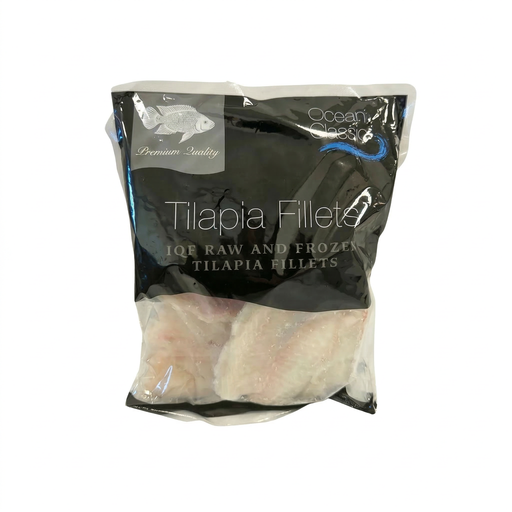 No image available
Plain tilapia provides an uncoated option for a dinner you season yourself. The product directions call for thawing before cooking and say not to refreeze it once defrosted.
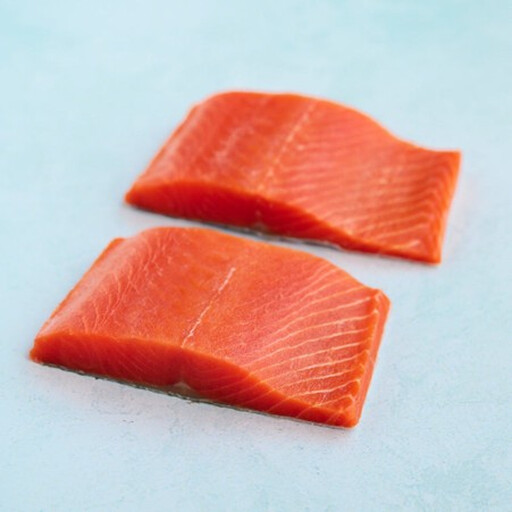 No image available
This salmon option is for a planned oily-fish meal. The pack is described as two skin-on steaks; its directions require thawing before cooking. Check the label if crustaceans or molluscs are relevant to you, as the product may contain them.
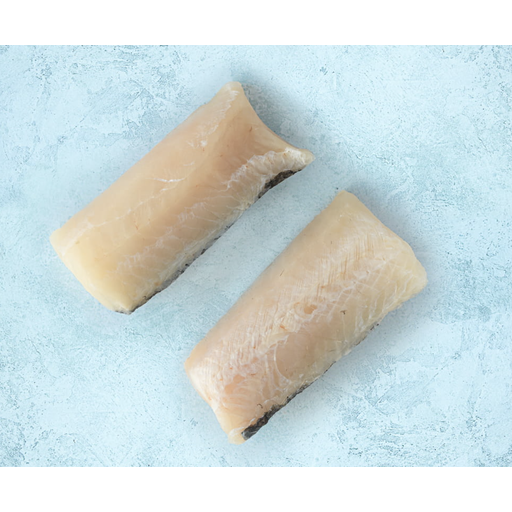 No image available
This plain hake option is described as two steaks for a planned meal. Check the pack’s storage and defrosting directions before cooking. The product may contain crustaceans or molluscs.
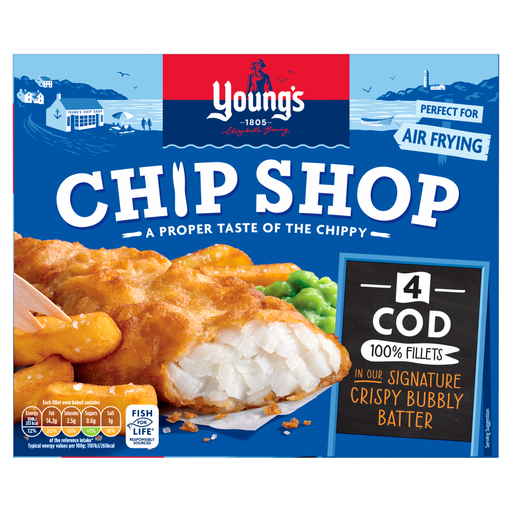 No image available
These battered fillets suit an oven meal rather than a recipe calling for plain fish. The directions specify cooking from frozen in an oven for 20–22 minutes. The product contains wheat and mustard, and its warning says some bones may remain.
No. Young’s says its Natural Fish Fillets cook from frozen, and Ocado lists oven-from-frozen directions for M&S Lightly Dusted Cod. Its M&S Scottish Salmon Portions listing instead calls for thorough defrosting before cooking. Follow the instructions on your own pack.
Follow the instruction on the particular product rather than assuming you can. The M&S frozen fish examples listed by Ocado say not to refreeze after thawing; its salmon portions also say to eat them on the day of defrost.
Read that pack’s storage, defrosting and cooking directions, along with any bone warning. The M&S frozen fish examples listed by Ocado state that they contain raw fish, must be cooked and may contain bones.
Check the individual ingredients and allergen statement before choosing it. Ocado’s M&S coated-fish examples include declarations for fish and cereals containing gluten or wheat; the ingredients of another product may differ.