Sunday-roast planners choosing a fish main
If you want fish alongside roast potatoes and vegetables without committing to a coating or sauce, start by looking at plain fillets. Check their count and size against the number of diners.


For a fish-led Sunday roast, a plain white-fish pack gives you room to choose your own seasoning and accompaniments. Make the second pack salmon if you want a different fish type, or coated portions if you want a crisp, ready-seasoned option. Check the number and size of portions, cooking directions, allergens and freezer space before settling on the pair.
If you want fish alongside roast potatoes and vegetables without committing to a coating or sauce, start by looking at plain fillets. Check their count and size against the number of diners.
A plain white fish and a salmon or coated-fish pack give you different ways to use your freezer stock, rather than two packs with the same preparation and flavour.
If cooking from frozen matters on roast day, choose a pack with directions for your appliance. Air-fryer capacity and the amount that fits without crowding also matter.
Choose the first pack for the roast you intend to cook, then decide whether the second should offer a different fish type or a different preparation style.
Choose it when: You want to add your own seasoning or sauce to a fish main served with roast sides.
Allow for: Portion sizes and cooking directions vary; some plain fillets need thawing before cooking.
Choose it when: You want the second pack to contain an oily fish rather than another white fish.
Allow for: Check the cut, skin, portion count and preparation directions on the particular pack.
Choose it when: A crisp, ready-seasoned fish portion fits the meal you have in mind.
Allow for: The coating fixes much of the flavour and can introduce allergens that differ from those of plain fish.
| Priority | What to check | Your needs |
|---|---|---|
| Portions | Compare net fish weight, fillet count and any stated weight per piece. Tesco lists four typical 90g fillets in its 360g haddock pack; the NHS describes a fish portion as around 140g. | Will the fish stretch across the planned roast and any later meals? I would count pieces as well as checking their weight, rather than treating two packs as a set number of servings. |
| Cooking | Look for directions for your oven or air fryer and whether thawing is required. Tesco gives its cited haddock a 25-minute oven-from-frozen instruction; ASDA bases its cited breaded plaice air-fryer directions on an appliance of at least 4L and says not to overcrowd it. | If I will not have time to thaw fish before the roast, the exact pack needs suitable from-frozen directions. For an air fryer, I also need enough basket space for the portions. |
| Format and ingredients | Decide between plain fish, salmon and a coated portion. Check the exact ingredients, allergens and nutrition values on the same stated basis; Birds Eye lists wheat and mustard in its cited breaded cod. | I might want to choose my own sauce for the roast, then keep a crisp alternative for another meal. Anyone avoiding an ingredient needs to check the particular coated pack. |
| Storage and thawing | Check freezer-temperature and thawing directions before buying two packs. The cited M&S British Hake instructions specify storage at -18°C, refrigerator defrosting, use within 24 hours and no refreezing after thawing. | There needs to be room in my freezer for both packs. If one needs thawing, I must be able to plan that step and use it within its pack directions. |
Several fillets in a pack may each be smaller than the portion you had planned. Tesco describes the fillets in its cited haddock pack as typically 90g each; the NHS describes a fish portion as around 140g.
Check the stated fish weight and number of pieces against your diners and the other food on the plate.
Coating changes the ingredients and nutrition information. Birds Eye lists wheat and mustard in its cited breaded cod, so it should not be treated as interchangeable with plain fish for ingredient checks.
Read the exact pack’s allergen declaration and compare nutrition values using the same per-100g or per-serving basis.
Tesco gives oven-from-frozen directions for its cited haddock, whereas M&S directs buyers of its cited British Hake to defrost it in a refrigerator. An air-fryer instruction may also depend on basket capacity.
Match the pack’s directions to your equipment and the time available on roast day.
The cited M&S hake, Birds Eye breaded cod and Young’s Chip Shop haddock say not to refreeze after thawing. M&S also directs buyers to use its hake within 24 hours of refrigerator defrosting.
Thaw only what you intend to cook and follow the instructions on the pack you bought.
These ranges illustrate the available formats; check the individual product rather than assuming every pack from a brand has the same ingredients or cooking method.
Tesco lists plain frozen fish alongside coated products and fish pie mix.
Sainsbury's lists frozen white fish, salmon, fish pie mix and coated fish, including own-brand and other brands’ products.
ASDA lists coated frozen-fish portions, including the cited breaded plaice.
M&S lists frozen hake, salmon, cod and haddock, including plain fillets.
Young's Natural Fish Fillets range includes cod, smoked haddock, salmon and white fish; its Chip Shop range is coated.
Birds Eye offers coated frozen fish, including the cited cod fillets in breadcrumbs.
These options cover plain fish for a roast with your own accompaniments, salmon for a different fish type, and coated portions for another meal. Check each pack’s portion and preparation details before choosing a pair.
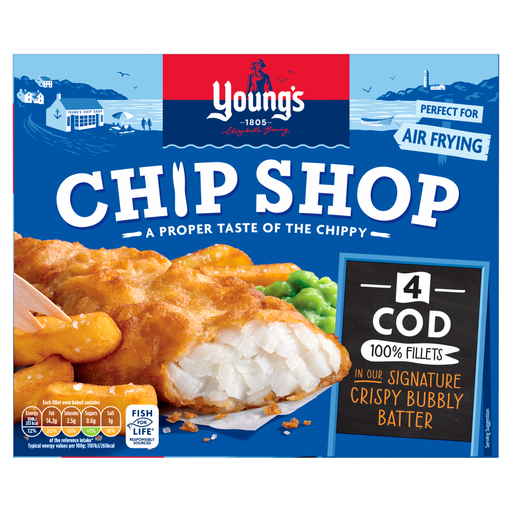 Image unavailable
A coated cod option when you want a crisp fish portion with the meal or for another freezer dinner. The pack contains four fillets; check its current cooking directions and allergen declaration, including wheat and mustard.
 Image unavailable
Plain fillets leave the roast seasoning and sauce up to you. The title states 800g net fish weight and a 170/200g size range; plan ahead for refrigerator thawing before cooking, and check the pack for the fillet count.
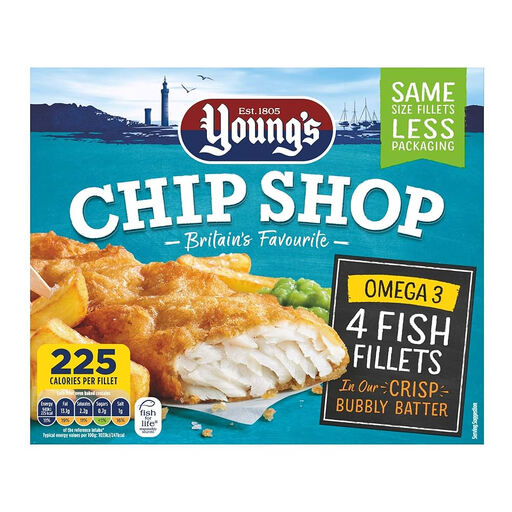 Image unavailable
Four coated fillets offer a ready-seasoned alternative to plain fish. Check the oven directions before timing the meal and read the pack’s fish, wheat, milk and mustard allergen information; bones may remain.
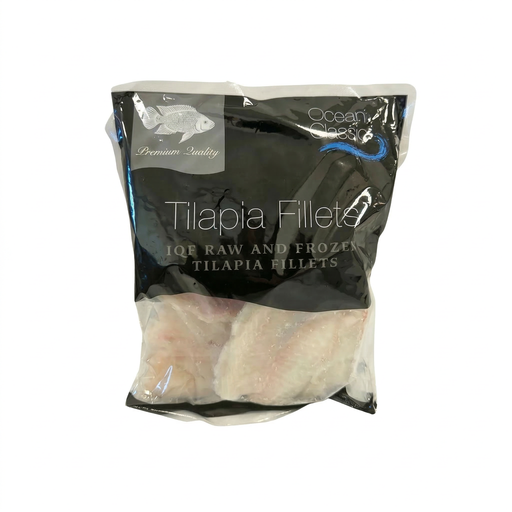 Image unavailable
Plain tilapia fillets are an option if you want to choose the seasoning for a baked fish main. The title states 800g net weight; allow time to thaw before cooking, and check the pack for fillet count, cooking directions and bone information.
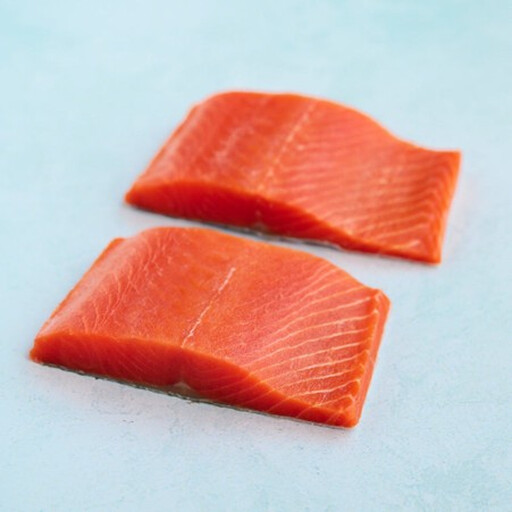 Image unavailable
Salmon offers a different fish type alongside a white-fish freezer pack. These are skin-on steaks in a 220g pack; plan for thawing before cooking and check the pack’s crustacean and mollusc precaution if relevant.
Start with plain white fish if you want to choose the seasoning for a roast-style plate. Pair it with salmon for a different fish type, or with coated portions if a crisp, ready-seasoned second meal is more useful; check portion sizes and cooking directions for both packs.
Yes, when the particular pack gives from-frozen directions. Tesco’s cited Haddock Fillets and Birds Eye’s cited breaded cod do; M&S directs buyers of its British Hake to defrost it in a refrigerator and use it within 24 hours.
Check both the number of pieces and their stated weight. Tesco lists four typical 90g fillets in its cited haddock pack, while the NHS describes a fish portion as around 140g; decide how much fish your meal requires rather than relying on the pack count alone.
Read the ingredients and allergen declaration on the exact pack. Birds Eye’s cited breaded cod contains wheat and mustard, and ASDA’s cited breaded plaice contains wheat and fish; also check the cooking directions for your appliance.
Follow the instruction on the particular pack. The cited M&S British Hake, Birds Eye breaded cod and Young’s Chip Shop haddock say not to refreeze after thawing; M&S also directs buyers to use its hake within 24 hours of refrigerator defrosting.