What matters when choosing?
Decide which fish and format fit the meal, then check the exact pack and how you will prepare it for the child.
| Priority | What to check | Your needs |
|---|
| Fish type | Identify the species. The NHS distinguishes oily fish, including salmon, from lower-fat white fish. | I’m choosing fish for the week’s oily-fish meal, or I want white fish for a different dinner. The NHS advises trying to give young children at least one portion of oily fish a week. |
| Bones and texture | Read any bone warning, even on fish described as boneless or deboned. Inspect the cooked fish and make the pieces suitable for the child. | I need to prepare a serving my toddler can manage and supervise them while they eat. NHS guidance identifies bones as a choking risk for young children. |
| Ingredients and salt | Compare ingredient lists and nutrition information on the same basis, such as per 100g. For coated fish, check the declared fish proportion; for sauced fish, check what the sauce adds. | A simpler recipe would let me choose the seasonings and accompaniments. If I use a prepared product, I want to consider its salt alongside the rest of the meal. |
| Allergens | Read the current pack’s ingredients, allergen declaration and any precautionary statement. Coatings and sauces can introduce allergens beyond fish. | I need the exact recipe to fit my child’s allergy requirements; knowing that a product contains fish is not enough. |
| Cooking method | Follow the exact product’s instructions. GOV.UK food-hygiene guidance says food must be fully defrosted before cooking unless the manufacturer instructs you to cook it from frozen. | Cook-from-frozen fish fits some evenings, but I can plan ahead to defrost a fillet if its pack requires it. |
Brand and retailer references
These examples illustrate different frozen-fish formats; the name on the pack does not establish suitability for an individual child.
Tesco
The cited Tesco products include plain wild salmon fillets and salmon with spinach in cheese sauce.
- The Wild Salmon Fillets listing identifies the fish and fillet form.
- The cheese-sauce dish needs its own ingredient and allergen check; its recipe should not be treated as equivalent to a plain fillet.
Birds Eye
The cited Birds Eye breaded cod fillets are a coated, cook-from-frozen format.
- Birds Eye gives preparation instructions and states that cod makes up 54% of this product.
- Its product information identifies wheat and mustard, warns it may contain milk, and says some bones may remain.
Young's
Tesco Groceries lists Young's frozen fish in seasoned and battered formats.
- The listed formats offer different recipes to compare for a family dinner.
- Check the exact product’s fish, ingredients, allergens and instructions rather than applying one format’s details to another.
M&S
The M&S frozen-fish range includes fillets as well as prepared fish.
- M&S provides product-specific information for its cited battered cod.
- That battered cod page says the fish is raw, must be cooked and may contain bones; check the current pack before serving.
Frozen fish options on Joybuy
These options cover salmon fillet steaks, pangasius fillets, cod fillets and king fish slices for fish dinners. Check each pack’s ingredients, cooking directions and bone information before choosing a serving for a toddler.
 No image available
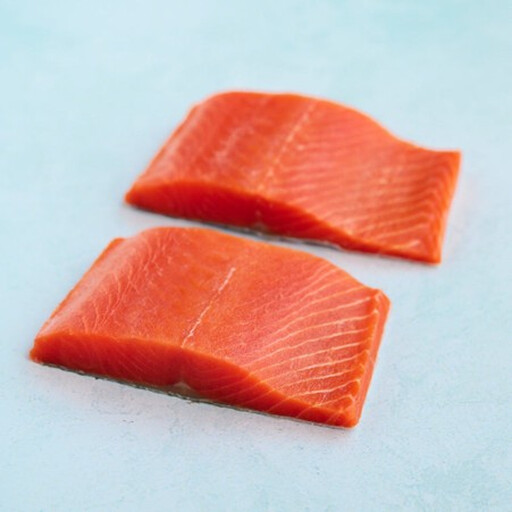
The Fish Society Wild Sockeye Salmon Fillet Steaks 220g
Salmon is an oily-fish option for a varied menu. These fillet steaks are labelled 220g; follow the pack’s cooking instructions, then inspect for bones and prepare suitable pieces before serving.
 No image available
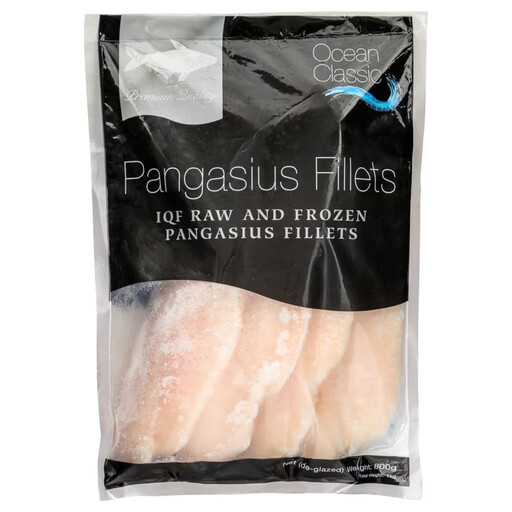
Ocean Classic Pangasius Skinless & Boneless Fillets IQF 170/200g, 1kg total, 800g net
A white-fish option when you want fillets rather than a coated recipe. The name distinguishes the skinless and boneless fillets, IQF 170/200g size and 1kg total versus 800g net weight. Check the current pack’s preparation instructions and inspect the cooked fish for bones despite the boneless description.
 No image available
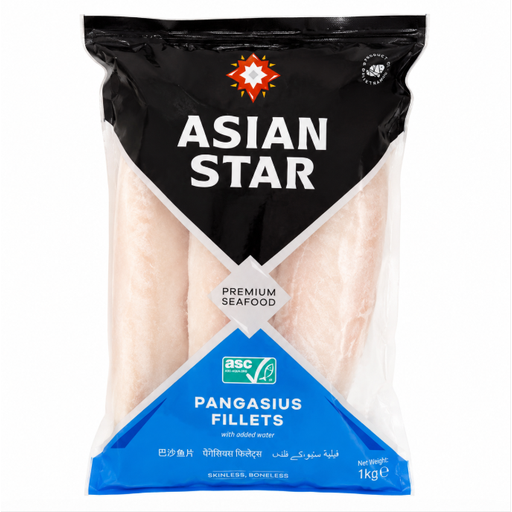
Asian Star White Pangasius Fillet, 1kg, 800g net
Another pangasius option for a white-fish dinner, labelled 1kg with 800g net weight. Compare the current pack’s ingredients and salt information with the meal you plan to serve; follow its thawing and cooking directions and check for bones.
 No image available
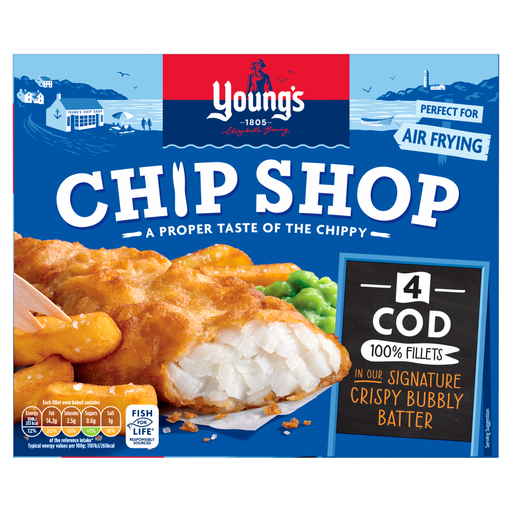
Young's Chip Shop 4 Cod Fillets 400g
A prepared cod option for a family fish dinner, sold as four fillets in a 400g pack. Check the exact pack’s coating ingredients and allergens, follow its cooking instructions, and inspect the fish for bones before serving.
 No image available
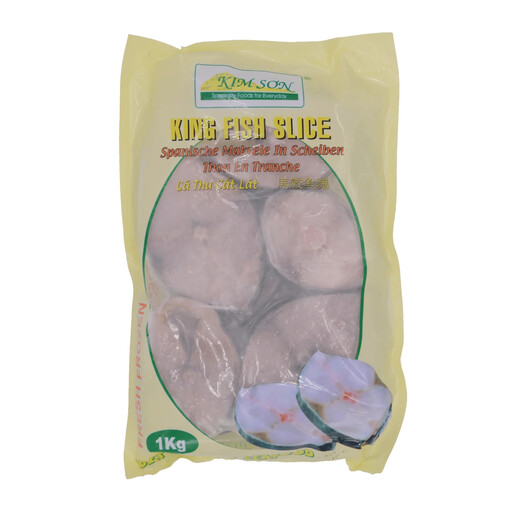
Kim Son King Fish Slice 1kg
A sliced-fish option in a 1kg pack. Check the current pack for the species and defrosting instructions rather than assuming it fills an oily- or white-fish role. Cook it thoroughly and inspect carefully: small bones may be present.
Questions about frozen fish for toddlers
Should I choose oily fish or white fish for a toddler dinner?
Both can feature in varied meals, but they have different roles: NHS guidance advises trying to give young children at least one portion of oily fish a week and describes white fish as lower in fat. Check the species on the exact pack rather than assuming all frozen fish has the same nutritional profile.
Is a coated frozen fillet automatically suitable for a toddler?
No. Check its fish proportion, full ingredients, allergens, cooking directions and bone warning. Birds Eye’s cited breaded cod fillets, for example, contain wheat and mustard, may contain milk and warn that some bones may remain.
Must frozen fish be defrosted before cooking?
Follow the exact product’s instructions: cook it from frozen only when those instructions say to do so. GOV.UK food-hygiene guidance says food must otherwise be fully defrosted before cooking.
Do I need to check fish described as boneless?
Yes. Inspect the cooked fish, remove any bones and serve pieces suitable for the child while supervising the meal. NHS guidance identifies bones as a choking risk for young children; boneless or deboned wording does not replace that final check.
What if my child has a fish or other food allergy?
Read the current pack’s ingredient list, allergen declaration and precautionary statements for the exact product, following any allergy-management advice given for your child. A coating or sauce can add allergens beyond fish: the cited Birds Eye breaded cod identifies wheat and mustard, while Tesco’s cited salmon in cheese sauce includes milk and wheat.


