What should you check before buying?
Choose the fish and preparation style that fit the meal, then check the pack size and label details before settling on a product.
| Priority |
What to check |
Your needs |
| Portions and pack size |
Compare the number of pieces with the pack weight and, where stated, the net fish weight. Check whether you can remove one portion while leaving the rest frozen. |
Cooking for one or two, I want a pack I can use without thawing more fish than the meal calls for. |
| Fish and format |
Identify the species and whether it is a plain cut, a coated portion or a marinated product. For prepared fish, read the fish percentage, ingredients and cooking method. |
I might want to add my own seasoning to a plain fillet, or choose a prepared fish dish when there is less time to assemble dinner. |
| Dietary fit |
Check the species and nutrition information for the specific product, using the same per 100g or per-serving basis when comparing labels. The NHS identifies salmon as oily fish and white fish such as cod as a lower-fat fish option. |
When planning different fish meals, I want to know whether I am buying oily fish, plain white fish or a product with coating or sauce. |
| Allergens and handling |
Read the current allergen declaration, including any may-contain statement. Check whether the fish is raw, how it should be cooked or defrosted, and what the pack says about refreezing. |
Coating or marinade may affect what I can serve, and I need directions that work when preparing only part of a pack. |
| Provenance |
Look for the named species, origin and any traceability or certification statement that applies to that product. Check the pack rather than relying on the range name alone. |
If sourcing matters to me, I want information about the fish I am buying, not just a premium label. |
Brand and retailer references
These ranges cover different fish formats; the details that matter for a meal still belong to the individual product.
M&S Food
Its frozen range includes plain hake, cod and salmon products as well as prepared seafood dishes.
- Marks & Spencer says its frozen fish and seafood are responsibly sourced and traceable. Its individual product pages give details such as species and storage directions.
- Check the chosen product’s pack and your selected store or online channel for the details relevant to your purchase.
Young's
The Gastro range includes lightly dusted, breaded, tempura-battered and marinated fish formats.
- Young's says its seafood sourcing process tracks where fish comes from and how it is caught.
- A Gastro range label does not establish the fish percentage, allergens or cooking method of every product; compare individual labels.
Birds Eye
Its frozen range includes fish fingers and coated fish portions.
- Birds Eye states that the wild fish it sources in the UK is MSC certified and the farmed fish it sources in the UK is ASC certified.
- Its breaded cod example contains 54% cod, wheat and mustard, and may contain milk. Check the particular product rather than treating coated fish as a plain fillet.
Tesco Finest
Tesco lists frozen options ranging from plain cod loins and tuna steaks to prepared seafood dishes.
- The range lets shoppers compare a plain fish cut with a more prepared format.
- Read each listing or pack for ingredients, allergens and preparation directions; a category name does not establish those details across the range.
Asda
Asda has an online frozen-fish-fillets category.
- Its category offers a place to compare frozen fillet listings for delivery or click and collect.
- Check the individual listing for species, ingredients and pack details before comparing it with another retailer’s product.
Frozen fish options on Joybuy
These options include plain tuna and hake, salmon in smaller packs, and a marinated black cod steak. Compare their portion formats and intended preparation with the meal you have in mind.
 No image available
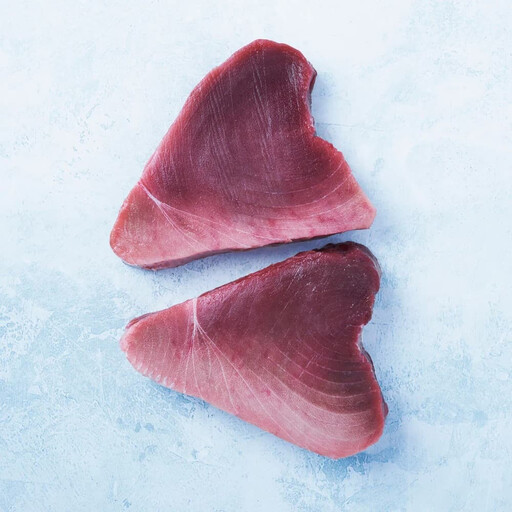
Super Frozen Tuna Steaks, Sashimi Grade, 2 steaks, 260g
Two steaks give a smaller household a clear starting point for a two-person meal. “Sashimi Grade” is product wording, not a guarantee that the fish is suitable to eat uncooked; check the current pack and safe-handling directions before considering raw use. Check its current allergen statement if crustaceans or molluscs are a concern.
View on Joybuy
 No image available
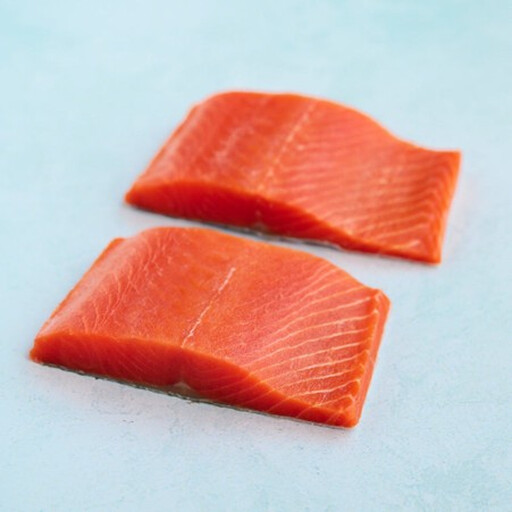
The Fish Society Wild Sockeye Salmon Fillet Steaks 220g
This 220g salmon pack is an oily-fish option for a smaller meal. Check whether the skin-on steaks suit your intended preparation, and read the current allergen statement if crustaceans or molluscs matter to you.
View on Joybuy
 No image available
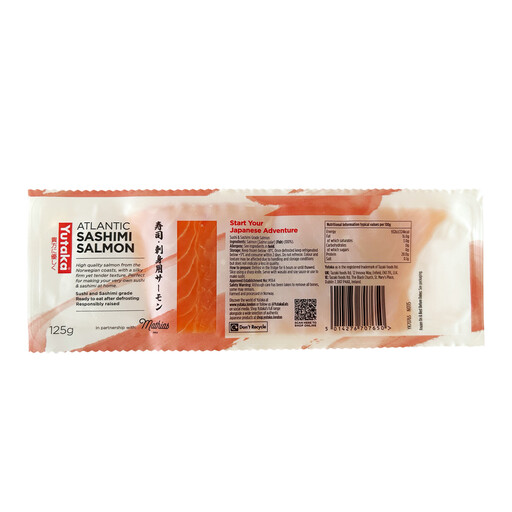
Yutaka Atlantic Sashimi Salmon 125g
The 125g pack is a smaller salmon format. Its name does not establish suitability for uncooked consumption: check the current packaging and handling directions before considering that use. The listing also cautions that bones may remain.
View on Joybuy
 No image available
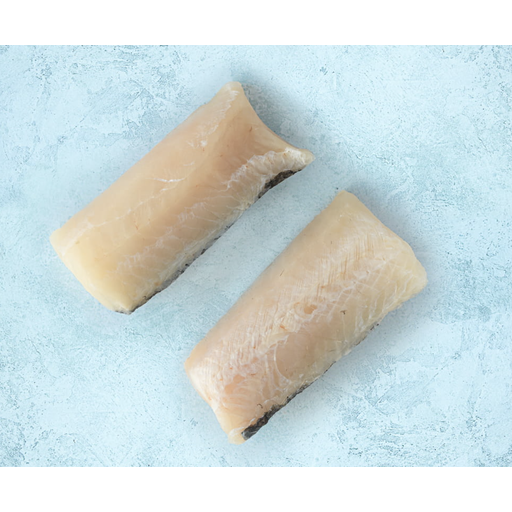
The Fish Society Wild Cape Hake Loin Steaks 280g
This 280g hake pack offers a white-fish choice when you want to decide on the seasoning and cooking method. Check the pack’s portion count, storage directions and cooking instructions against your plans for one or two meals.
View on Joybuy
 No image available
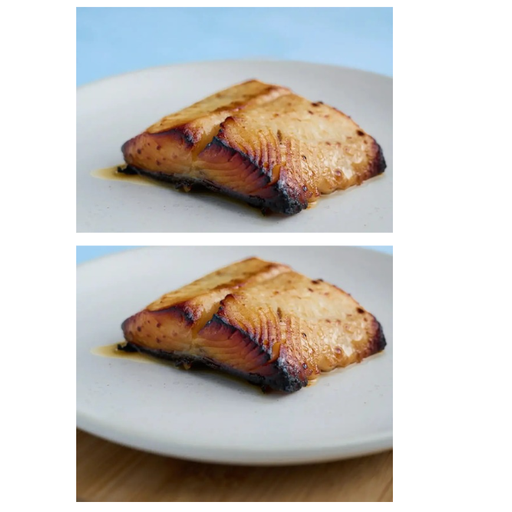
The Fish Society Wild Miso Black Cod, 1 steak, 140g
One marinated 140g steak offers a single-portion alternative to seasoning plain fish yourself; it still needs cooking. If soy or shellfish is a concern, check the current ingredient and allergen statements for the marinade.
View on Joybuy
Frequently asked questions
Should I choose white fish or salmon for a smaller frozen-fish meal?
Choose by the kind of meal you want rather than treating either species as a premium upgrade. Plain cod or hake lets you add your own flavouring; salmon is an oily fish, and the NHS advises that one of two weekly fish portions should be oily fish.
When does breaded or battered fish make sense?
It can suit a meal where a prepared coating is part of what you want. It is not interchangeable with a plain fillet: check the fish percentage, ingredients, allergens and cooking instructions. Birds Eye’s 4 Cod Fillets in Breadcrumbs, for example, list 54% cod and contain wheat and mustard.
How should I handle frozen fish after buying it?
Follow the storage, defrosting, cooking and refreezing instructions on that product’s pack. GOV.UK guidance published in December 2017 says a freezer should be around −18°C and advises following packaging directions; Marks & Spencer’s British Hake Fillets directions say not to refreeze after thawing.
Do I need to check allergens on a fish product?
Yes. Fish is an allergen, and coatings or marinades may introduce others. Birds Eye’s breaded cod example contains wheat and mustard and may contain milk, so check the current label for the particular product you buy.
What makes a sourcing statement useful?
Look for information that applies to the specific fish, such as its species, origin, traceability or relevant certification. Marks & Spencer says its frozen fish and seafood are traceable, Young's describes tracking origin and catching information, and Birds Eye makes certification statements about fish it sources in the UK. Check which statement applies to the product in your basket.


