
24/7 Customer Support

Free returns

Same-day & Next-day Delivery

Quality Guaranteed

Unlock Your Welcome Offers: FREE Delivery | Up to 80% OFF | Free 30-day JoyPlus trial
Download the APP
Buying frozen fish online can make weekly meal planning easier, but the lowest price or most attractive product photograph does not always tell the full story. UK shoppers also need to consider net fish weight, added water, cut type, storage, allergens and whether a product suits the intended recipe.
This guide from the Joybuy Product Recommendation Officer explains how to compare frozen seafood, avoid common purchasing traps and select useful options for family meals, restaurants, curries and hot pot cooking.
A pack marked “1kg” may include an ice glaze or added water. For example, some individually quick frozen fish products list a 1kg gross pack with 800g net fish. This affects the real cost per serving and should be checked before comparing products.
An ice glaze can help protect fish in the freezer, but a higher glaze percentage means less fish in the bag. Look for wording such as net weight, net fish weight or ice glaze percentage.
Skinless and boneless frozen fish fillets are convenient, particularly for children and quick midweek meals. However, product information may still advise that small bones can occasionally remain. Whole fish, steaks and bone-in ribbonfish chunks are more likely to require careful preparation and eating.
If you are cooking for young children, check the packaging and inspect portions after cooking rather than relying only on a marketing label.
Whole fish can offer flexibility but requires more preparation. Pre-sliced king fish, frozen fish fillets and ribbonfish chunks reduce preparation time, while coated cod or pollock fillets are designed for oven or air-fryer cooking.
Similarly, prepared eel unagi is convenient for rice bowls but contains sauce and may have a different nutritional profile from plain frozen fish. Choose according to the recipe, not just the species name.
For families or caterers, a 1kg pack can be practical for batch cooking. Smaller packs, such as 190–260g portions, may reduce waste when only one or two people are eating.
Check whether the product is:
Individually quick frozen fish, often labelled IQF, is portioned before freezing. This can allow individual pieces to be removed without defrosting the entire pack.
Plain fish may list only the species, while processed products can contain water, salt, stabilisers, batter, wheat, milk, mustard or soya. Always read the ingredient list if you have allergies or are trying to manage salt intake.
For example, pangasius fillets may contain water and permitted stabilisers, while battered cod and pollock include wheat-based coating. Eel unagi generally includes a sweet soya-based sauce containing soya and wheat.
Most raw frozen fish should be kept at -18°C or below and should not be refrozen after thawing. Thaw raw fish in the refrigerator, ideally in a covered container, and follow the package instructions for use within the stated period.
For frozen fish delivery, check that insulated packaging and temperature-controlled handling are used. When the order arrives, transfer products to the freezer promptly. If food has visibly thawed, follow the retailer’s food safety and customer service guidance rather than refreezing it.
Raw fish must be cooked thoroughly. Products labelled ready to eat, such as some cooked eel dishes, still need to be heated according to the packaging instructions.

Why This Fits Their Persona: A mild white fish format for new cooks, families and shoppers planning several meals from one freezer purchase.
The listing clearly separates the 1kg pack weight from the 800g net fish weight, making comparison more transparent.
Skinless, boneless and IQF; suitable for baking, frying, steaming, soups and curries.
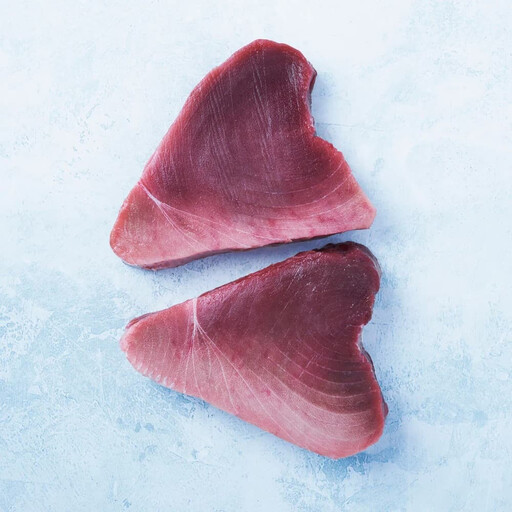
Why This Fits Their Persona: Two individually portioned steaks suit special dinners, controlled portions and cooks interested in searing or sushi-style preparation.
The product is portioned as two 130g steaks rather than an unspecified block, helping reduce unnecessary thawing.
Listed as tuna steaks with cooking and defrosting instructions. If eating raw, follow appropriate food safety guidance and the product label.
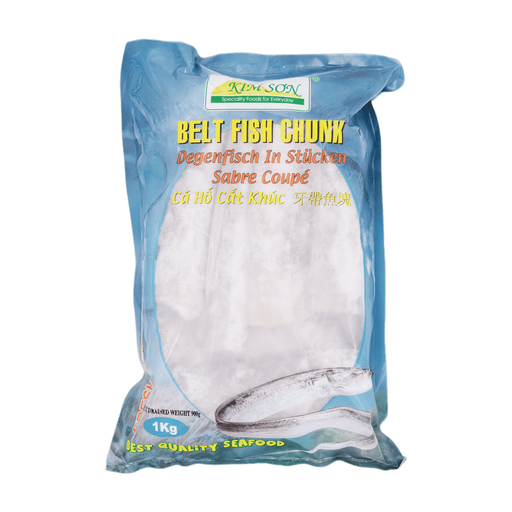
Why This Fits Their Persona: A practical choice for Asian food enthusiasts, restaurants and households making regular hot pot, braised fish or Vietnamese and Chinese dishes.
The fish is pre-cut into chunks, so the format is stated clearly; buyers should still account for bones when serving.
1kg pack; suitable for pan-frying, braising and hot pot cooking; ingredients list belt fish and water.
For Vietnamese fish recipes, whole Kim Son Yellow Catfish 1kg, Kim Son Bullet Tuna 1kg and Kim Son Indian Mackerel 1kg offer larger formats for family cooking, stews and curries. King fish slices are easier to portion than whole fish and can be pan-fried, grilled or added to sauce-based dishes.
For everyday British meals, battered options such as Young’s 4 Chip Shop Cod Fillets 400g and Young’s 4 Chip Shop Omega 3 Fish Fillets 400g are designed for oven cooking from frozen. Check the wheat, milk and mustard allergen information before serving.
For Japanese-inspired meals, JK Frozen Roasted Eel (Unagi) is already grilled and sauced, while J-BASKET Unagi Japonica Eel 198g combines eel with Japonica rice and requires heating. These are convenience products rather than plain raw fish, so compare sauce, carbohydrate and salt information as well as weight.
We have compiled a complete, real-time list of products that fully satisfy these strict selection criteria and UK safety regulations.
Yes. Firm fish such as pangasius, snakehead, ribbonfish, catfish and king fish can work well in frozen fish for curries or hot pot recipes. Thaw fish safely in the refrigerator when practical, pat it dry and add it at a stage that prevents overcooking. Bone-in cuts can add texture but require extra care when eating.
Keep products at -18°C or below and follow the best-before date on the packaging. Quality can decline if packaging is damaged or the freezer temperature fluctuates. Once thawed, do not refreeze unless the product has been fully cooked first and the packaging guidance permits it.