Parents sharing a meal with a weaning baby
A plain fillet lets you set aside a portion before seasoning. The NHS includes cooked fish in meals for babies from around 6 months and advises cooling, flaking and checking it for bones before serving.


A plain frozen fillet carrying the blue MSC ecolabel is a practical starting point if you want to set aside an unseasoned portion for a baby who has started solids. Cook it thoroughly, then cool, flake and check it for bones, as NHS baby guidance advises. Fish fingers and coated fillets offer a different sort of convenience, but check each pack’s ingredients, allergens, salt and certification rather than relying on the brand name.
A plain fillet lets you set aside a portion before seasoning. The NHS includes cooked fish in meals for babies from around 6 months and advises cooling, flaking and checking it for bones before serving.
Fish fingers or coated fillets may suit a quick family meal. Check the individual pack for the fish species, coating ingredients, allergens, salt and any sustainability label.
Fish type matters alongside convenience and certification. GOV.UK advice for pregnant and breastfeeding women includes weekly limits for oily fish and tuna steaks.
Start with the certification on the particular pack, then choose a format whose ingredients and preparation suit the people eating it.
| Priority | What to check | Your needs |
|---|---|---|
| Wild-catch certification | Look for the blue MSC ecolabel on the individual product. Check the named species and any catch information shown on the pack. | I want a product-specific sustainability signal, rather than a general promise about a brand or retailer’s range. |
| A baby portion | For a plain fillet, follow its cooking instructions; cool, flake and inspect the cooked fish for bones. The NHS gives these preparation steps for fish served to babies. | I want to set aside unseasoned fish for a baby who has started solids, while serving the rest to the family. |
| Coatings and ingredients | Compare the full ingredients list, emphasised allergens and salt information on each coated product. The NHS advises against adding salt to a baby’s food. | Fish fingers would make dinner simpler, but I need to know what is in the coating before sharing them. |
| Fish type | Identify oily fish and tuna rather than treating every fish meal alike. GOV.UK advises pregnant and breastfeeding women to limit oily fish to two portions and tuna steaks to no more than two per week. | If I am pregnant or breastfeeding, the family’s choice of fish also needs to fit the advice that applies to me. |
A retailer’s or brand’s policy can describe its wider supply chain without establishing that a particular frozen product is MSC-labelled.
If MSC certification is your priority for wild-caught fish, look for the blue ecolabel on the exact pack.
Coating changes the ingredients you need to consider when preparing a family meal, particularly if you plan to share it with a baby.
Compare the ingredients, emphasised allergens and salt information. A plain fillet gives you the option of seasoning the adult portions separately.
The NHS still advises checking cooked fish for bones before flaking it for a baby.
Inspect the portion after cooking and before serving, including fish sold as boneless.
GOV.UK gives pregnant and breastfeeding women limits of two oily-fish portions and no more than two tuna steaks per week.
Check the species when planning those meals, as well as the pack’s preparation instructions.
A sourcing policy can help you understand a range, but the certification, ingredients and cooking guidance for your meal belong to the individual product.
Fish fingers and other prepared frozen-fish formats for family meals.
Prepared and coated seafood formats for convenience-led meals.
Own-label plain frozen fillets are an option when you want to choose the seasoning yourself.
A retailer with a stated seafood-sourcing policy.
A retailer that describes both certification and improvement pathways in its fish-sourcing policy.
A retailer with a stated focus on tracing the fish it sells.
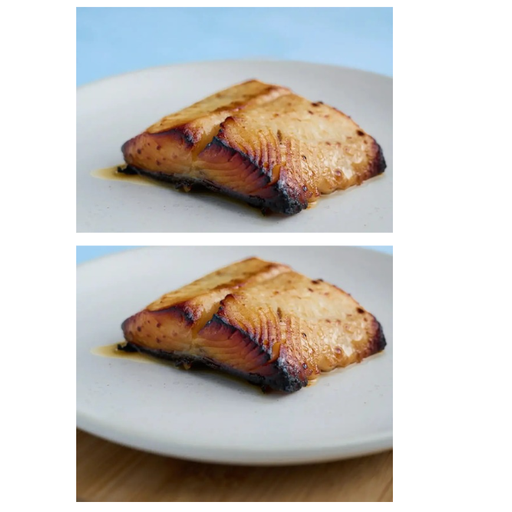
This miso-seasoned frozen-fish option is more relevant to an adult meal than to setting aside a plain portion for a baby. Check its pack against your household’s ingredient and certification needs.
 No image available
A miso-seasoned black cod steak for an adult meal, rather than a plain fillet to portion before seasoning. Check the current pack’s ingredients, allergens and salt information; if MSC certification matters to you, look for the ecolabel on that pack.
The Marine Stewardship Council says its blue ecolabel identifies a product traceable to a fishery independently assessed against its fishing standard. Look for the label on the individual pack; a retailer’s wider sourcing policy is not a substitute.
Yes. The NHS includes cooked fish in meals for babies from around 6 months. Cook it thoroughly, let it cool, check for bones and flake it before serving. When introducing foods that can trigger allergies, the NHS advises offering them one at a time so you can spot a reaction.
A plain fillet makes it easier to set aside fish before seasoning, while fish fingers require a closer look at their coating, texture, allergens and salt. The NHS advises not adding salt to a baby’s food, so check the exact product rather than assuming coated fish is interchangeable with plain fish.
Check the ingredients list on the individual prepacked product. GOV.UK guidance says allergens present in prepacked food must be emphasised there; coating ingredients can introduce allergens in addition to fish.
Yes. GOV.UK advises pregnant and breastfeeding women to limit oily fish to two portions per week and tuna steaks to no more than two per week. Identify the fish species when planning family meals rather than treating every frozen-fish product alike.